
The History Of Anime
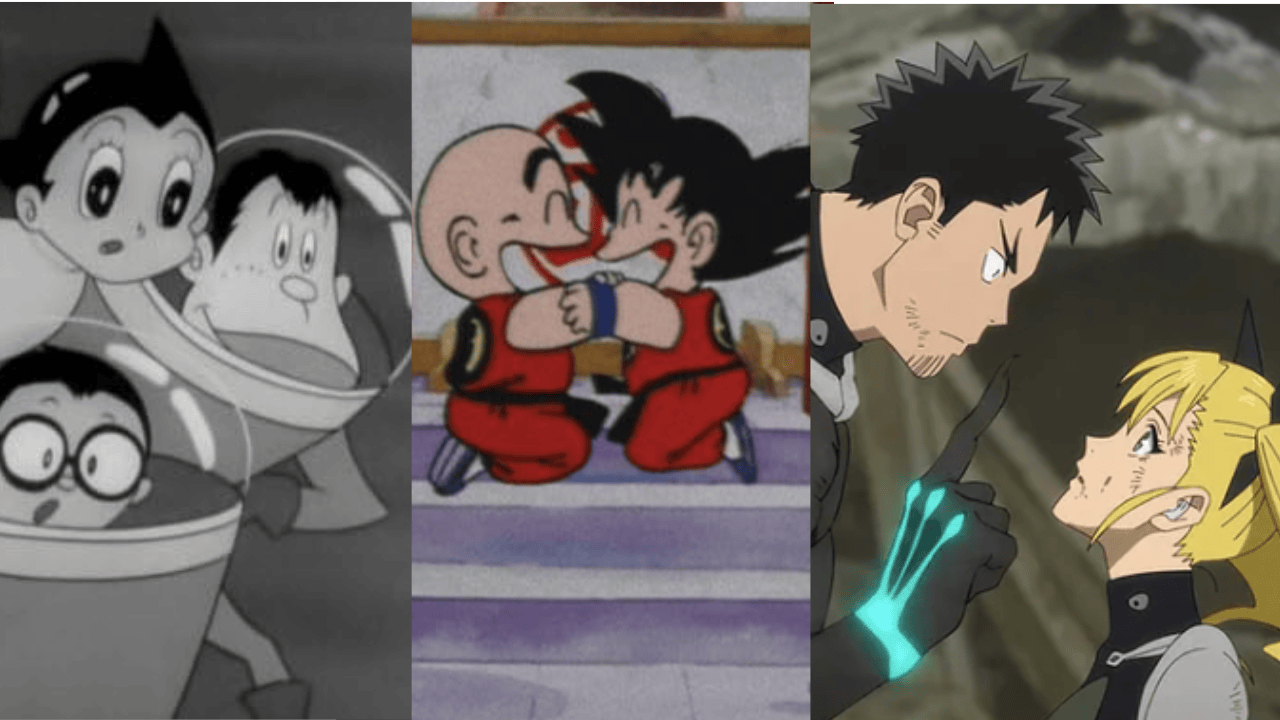
Image Source: CultureSlate
Anime is currently one of the most popular types of content in the world. While it has been popular for decades thanks to things like Cartoon Network’s Toonami, which first aired in 1997 and brought shows like Naruto and Dragon Ball Z, and Studio Ghibli, which partnered with Disney in 1996 to bring a new type of storytelling to American Fans. Thanks to social media, this art form has exploded in popularity over the last two to three years. While most people know that this art form comes predominantly from Japan and has been around for a long time, many people don’t know its history. Let’s take a look at the history of this incredible art form!
Most anime is adapted from manga, but in recent years, this has become less true. Now, many anime are adapted from WebToons and light novels, with a few even being 100% original to the studio. Before there was anime, stories were told through illustrations on scrolls that were called otsu-e and originated in the city of Otsu in the 1600s. Then came the invention of woodblock artwork, which was called ukiyo-e, and in the 19th century, audiences began to get manga. The very first manga was called “The Animal Scrolls,” and it featured animals mimicking humans. By the 1800s, the West began to invade Japanese culture, and a British news correspondent, Charles Wirgman, created The Japan Punch. This magazine became incredibly popular and ran for roughly 25 years. He used a unique animation style that featured heavy use of word bubbles, which Japanese illustrators then began to use with their illustrations. These illustrations became known as ponchi (derived from the word “punch”), and this became what we now know as manga.
RELATED:
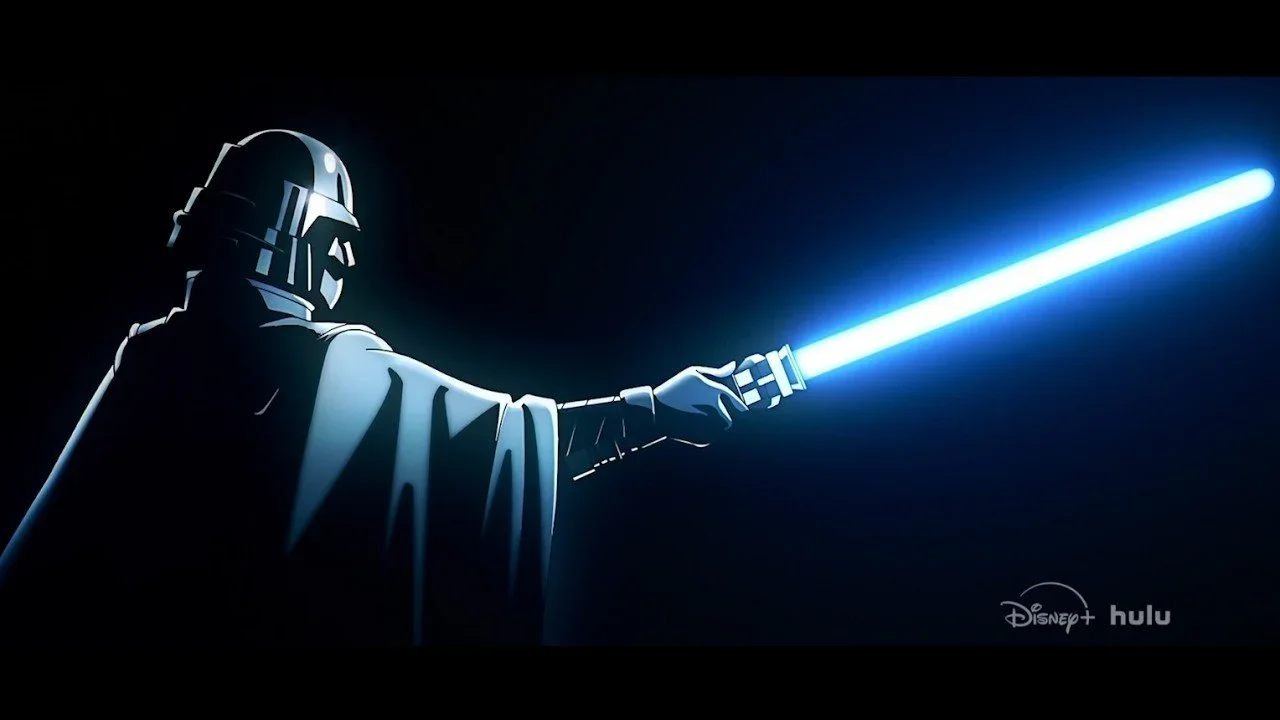
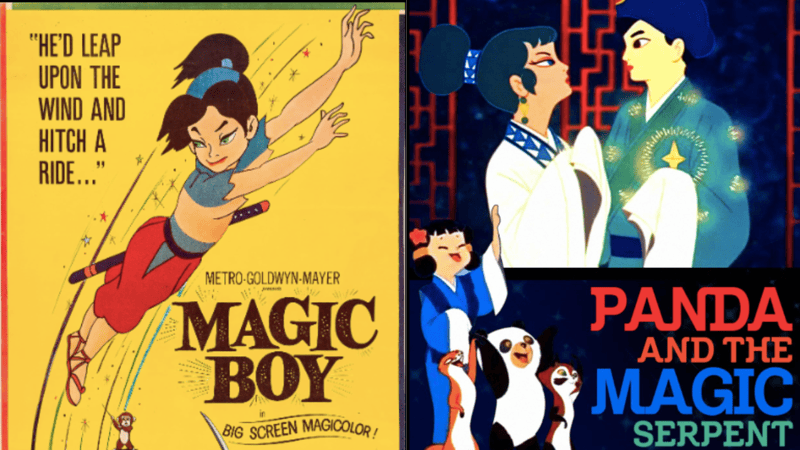
Image Source: CultureSlate
Anime did not become popular until the 20th century, when Japanese audiences became more interested in cartoons both in magazines and books. This happened at the same time that the literacy rate in Japan began to rise. Live entertainment was already a large part of Japanese culture, with things like puppet shows, kabuki theater, and magic lantern shows being popular among audiences. In 1903, the first movie theater opened, and just four years later, the very first animated Japanese cartoon was created. It was called Katsudo Shashin and was only three seconds long. It featured a little boy in a sailor outfit who was writing out the words “Katsudo Shashin.”
It is unknown if this was ever shown in Japanese theaters. Unfortunately, foreign animation was the only thing shown in Japanese theaters until 1917, when the first Japanese-made animation hit theaters. It ran for a few minutes and was titled Nakamura Gatana “The Dull Sword” which was a comedy about a foolish Samurai buying a faulty sword with a dull blade. In the 1920s, the Japanese government began hiring filmmakers to create animated shorts that would be educational materials and propaganda to be shown throughout the country. The first anime studio, “Kitayama Movie Factory,” was founded in 1921 by Kitayama Seitaro, and within four years, there were 178 active movie theaters in the Tokyo area. Over the next three decades, anime would be used as a form of propaganda in favor of and opposition to war and foreign occupation of Japan. As war ravaged the country, anime themes would become darker, and apocalyptic stories would take hold.
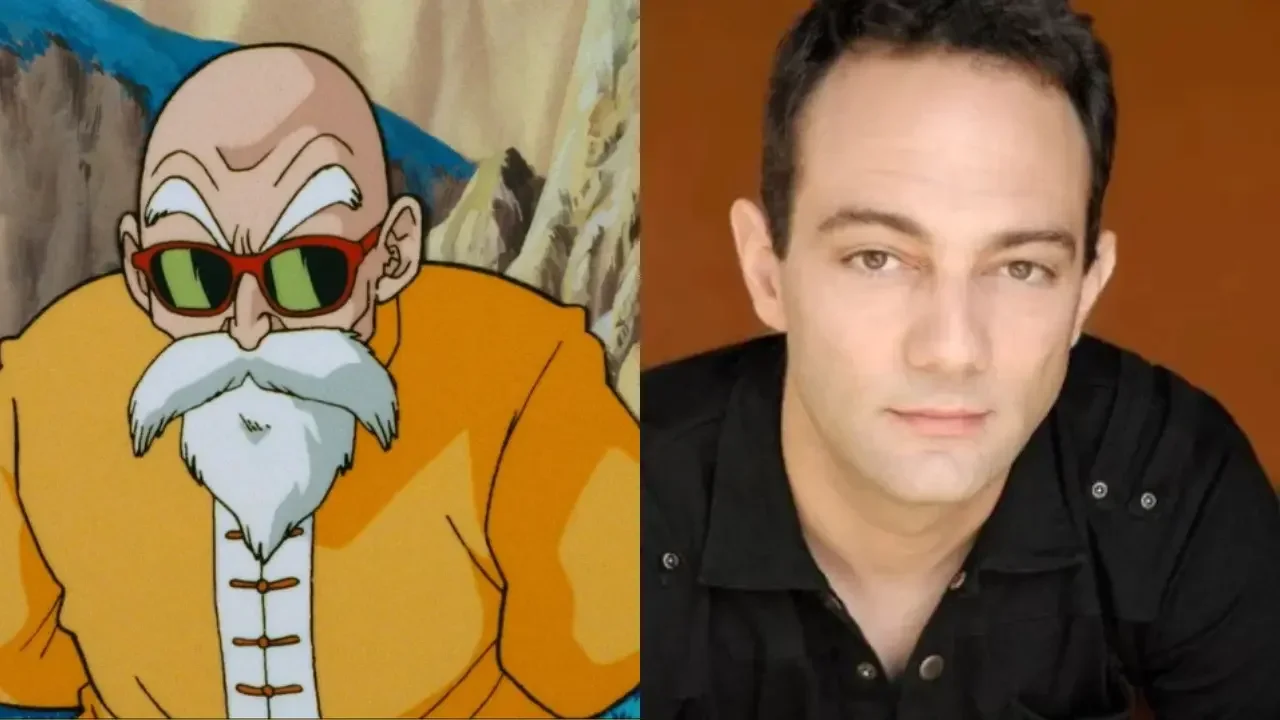
Anime we think of today was introduced in the 1960s when characters with exaggerated features became the norm in Japanese anime. In 1961, Japanese anime finally made its way into the United States with MGM studios releasing Toei Doga’s 1959 film Shonen Sarutobi Sasuke under the English name “Magic Boy.” His first film, Panda and the Magic Serpent, would be released in the US a little while later, with both films being a huge hit with American audiences. The first officially recognized television hit was Osamu Tezuka’s Astro Boy, which hit television screens in 1963. This series is what launched the first anime frenzy in America. However, this was met with racism and skepticism by parents who were concerned about how these foreign shows would impact their children. This didn’t deter the younger generation from becoming obsessed, and by the 1970s you couldn’t talk about television without mentioning anime. The official “golden age” of anime would begin in 1980 with anime such as Dragon Ball being released and the founding of Studio Ghibli by Hayao Miyazaki, Isao Takahata, and Toshio Suzuki. The release of Star Wars in 1977 also helped to shape this age of anime as much of the content that was released focused on space, aliens, and robots. This age of anime has shaped every piece of anime content that has been released since.
Anime has flourished since the 1980s, even with the few lulls in its popularity. It is now a multi-billion-dollar brand thanks to massive hits such as the Dragon Ball franchise, Pokemon, and Sailor Moon. Anime has influenced everything from action films such as The Matrix to fashion trends seen on runways across the globe. The genre is constantly changing, and what was once a genre that seemed to focus mostly on space and action has now evolved into something that cannot be explained so simply. Anime is a lifestyle – it is a community of creatives and fans who come from all different walks of life and just want to share their passion with everyone. You can find anime that feature action and sci-fi, LGBTQIA+ representation, and even characters that have been reincarnated as vending machines and slime. The genre truly has something for everyone, and I am excited to see how it continues to evolve!
READ NEXT:

Source(s): Poggers
Latest News

Featured






• All sizes are adult unisex
• Printed art on the front
• 100% cotton
• Pre-shrunk fabric
• Shoulder-to-shoulder taping
• Culture Slate Exclusive Design
See more products here