
Guardians Of The Genre: The Directors Who Kept Superhero Movies Alive
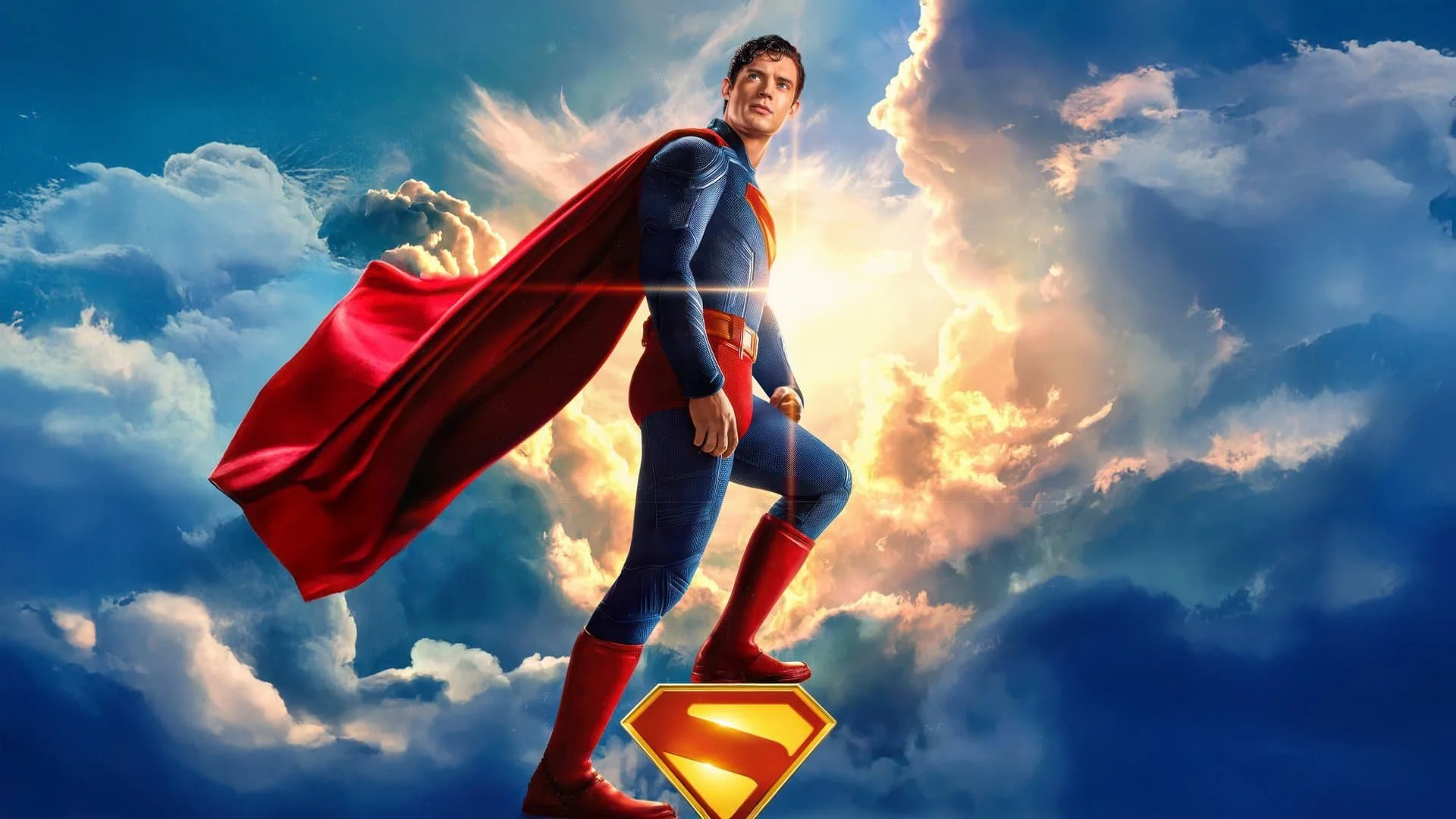
Image Source: HDQWalls
The last five years have been a period of failure, uncertainty, and renewal for superhero movies. A worldwide pandemic, studio regime changes, creative differences, real-life personal issues of talent, and shifts in cultural taste are all challenging to overcome one after the other, let alone simultaneously. Marvel saw their first critical misses with Eternals and Ant-Man and the Wasp: Quantumania. The DCEU squandered the goodwill it gained with Aquaman and Shazam! and failed to achieve both critical and financial success at the same time. Sony floundered with their own Spider-Manless cinematic universe that churned out some of the most embarrassing comic book movies of the 21st Century. And Fox’s X-Men universe was laid to rest.
Every year, we’re treated to the same tired narratives of “superhero fatigue”, fandom wars that don’t matter, and the luxury of reading articles by people who get paid to say Supergirl and Clayface can outgross a Spider-Man movie based on nothing but vibes. Yes, yes, the current landscape of superhero movie discussion is just a loud cacophony of hot takes with no thought, fandom posturing that doesn’t focus on the art, and culture war nonsense that’ll make Jon Stewart want to quit television for good. However, it hasn’t been all bad.
RELATED:
Since 2021, there have been a handful of films that have helped keep superhero movies afloat, disproving the narrative that the genre has completely died off. Filmmakers such as Sam Raimi, Taika Waititi, James Wan, and Shawn Levy have all held down the fort commercially; the directors we’ll be spotlighting today deserve to have their work sit alongside the best the genre has to offer. Unless you want to sit here and listen to YouTube pundits, grifters, and critics who need superhero movies to get views, say over and over again that the genre has no life in it anymore? Didn’t think so. Our time will be better spent paying tribute to the remarkable artists who have left their mark on this genre.
But who are these friendly neighborhood filmmakers who helped prove that there is still gas in the tank? I’m glad you asked!
Destin Daniel Cretton
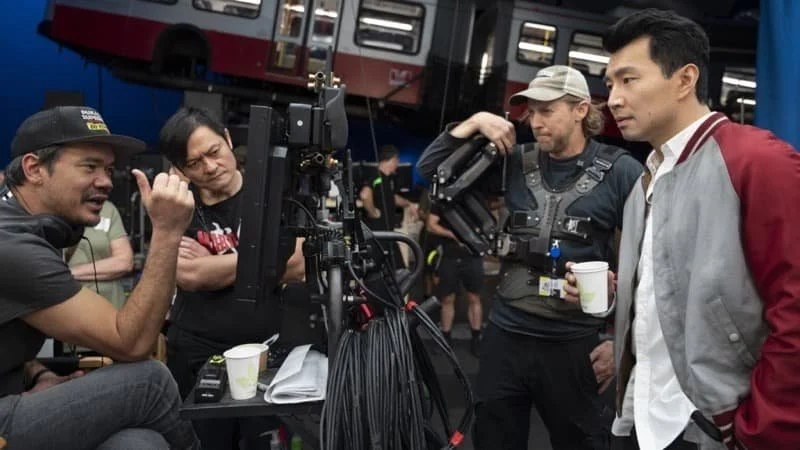
Image Source: Variety
Beginning our list is one of the most unconventional hires in superhero movie history. Despite begging his agent not to let him direct an MCU movie, Destin Daniel Cretton couldn’t pass up the opportunity to bring an Asian superhero to life. Beating out Deborah Chow, Alan Yang, and Justin Tipping for the job, Cretton would become convinced to pitch his vision for the film by his friend and fellow MCU veteran Ryan Coogler. Eventually, despite bombing his initial pitch, Cretton quickly cemented himself as one of the most brilliant directors Marvel has ever had. Cretton, alongside co-writers Dave Callaham and Andrew Lanham, helped make Shang-Chi one of the most beloved post-Endgame installments in the MCU. The strong focus on Asian iconography and themes separates it from other MCU films.
Many fans of color can relate to the title hero’s struggles with family, identity, and being caught between two worlds. And of course, the action. My Lord, how can one talk about Shang-Chi without mentioning the action? Cretton’s direction, Bill Pope’s cinematography, and the pitch-perfect editing together craft the single best batch of action scenes the franchise has ever had. And the way Cretton utilizes the same character-focused storytelling from his earlier films, mainly Short Term 12 and Just Mercy, makes it all the more worthwhile.
Due to Shang-Chi’s success, Destin Daniel Cretton was hired to bring the Avengers back to the big screen, only for life to get in the way. Despite that, Cretton will be a major creative force in the upcoming series Wonder Man, as well as being hired to direct Spider-Man: Brand New Day. Interesting how one can go from not wanting to touch Marvel to directing a new movie about their mascot. What a journey.
Now about Shang-Chi 2…
Jon Watts

Image Source: Variety
In the tradition of Spider-Man movies being helmed by the least known director on the list, Jon Watts gave the web-slinger new cinematic life with Homecoming and Far From Home. And after a brief period where it seemed like Spidey’s days in the MCU were over, cooler heads prevailed and Watts returned, but with a massive challenge; Craft a sprawling multiverse epic with characters from Sam Raimi and Marc Webb-directed Spider-Man films all the while focusing primarily on Tom Holland’s Spider-Man and act as the conclusion of the first part of his MCU journey. No pressure. Oh, and he has to make the film in the middle of the pandemic.
Everything about Spider-Man: No Way Home screams that it shouldn’t work. The high amount of characters, the tonal balancing act, and having the right amount of drama and fan service are just a few of the hurdles ahead of Watts. Under a lesser director, the movie would’ve crumbled under the sheer weight of its story. But luckily, Watts isn’t a lesser director. Honing in on his skills from his previous MCU efforts, Watts took full command of his vision and delivered one of the most memorable and exciting MCU movies ever made. A specific subsection of Raimi fans frequently gives Jon Watts hell for not having his own distinct style of filmmaking. This usually starts and stops with “Watts doesn’t have a lot of swinging, so therefore he’s a bad director.” But being one of the most talented journeyman directors in the game, Watts brings flair to the proceedings. He never loses sight of the heart and soul of Spider-Man amid all the multiversal chaos that somehow remains coherent thanks to his direction and the writing talents of Chris McKenna and Erik Sommers.
Watts was initially set to return to the MCU with The Fantastic Four, but left the project after he realized he wanted a break from superheroes. Since then, Watts directed the criminally underrated action comedy Wolfs and acted as co-showrunner of the Star Wars series, Skeleton Crew. Whether Watts returns to the MCU or decides he wants to play for the other team remains to be seen. If he never directs another superhero movie, being the man who made the third-highest-grossing superhero movie ever made and being the man who brought the first sign of hope that blockbusters will survive the pandemic isn’t a bad legacy to have.
Matt Reeves
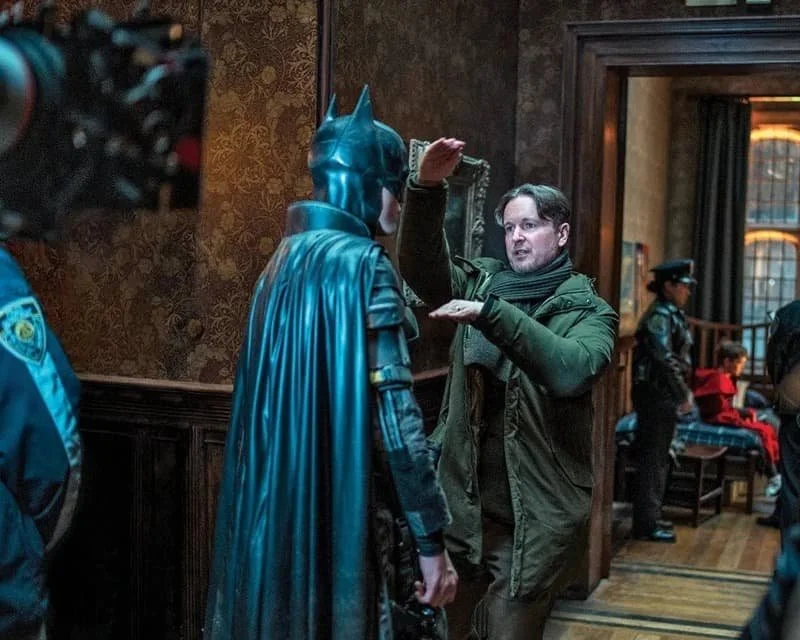
Image Source: Deadline
How does one take on Batman after Christopher Nolan? Despite appearances in a handful of DCEU films and a Lego movie, Batman’s live-action future in his own solo movies was unclear. Despite his best efforts, Ben Affleck ultimately stepped down from both directing The Batman and eventually the role altogether. And despite looking to directors such as Denis Villeneuve, George Miller, and Ridley Scott, Matt Reeves became the man to bring Batman back to the big screen. And he succeeded! It’s very hard not to be swept up in Matt Reeves’ vision for Batman and his extensive supporting cast. While some may take issue with his doubling down on a dark and gritty tone, Reeves still sports a hefty dose of emotional depth.
Steering away from the theatrics of Tim Burton, the Michael Mann influences of Christopher Nolan, and the excessive violence of Zack Snyder, Matt Reeves and co-writer Peter Craig (along with uncredited scribe Mattson Tomlin) take a different approach. Finally giving Batman the film noir detective story fans always wanted, Reeves sends us to a version of Gotham City that somehow has one foot in our world and another foot in its own plane of reality. Reeves takes the emotional depth that made his two Planet of the Apes films so fantastic and ups the ante. Helped by cinematographer Greig Fraser and composer Michael Giacchino, Matt Reeves’ Batman universe is as lived-in as it is gripping.
While all of us (yes, including you reading this) can be frustrated by the extended amount of time it has taken to get a sequel off the ground, rest assured that Matt Reeves will likely deliver one of the Caped Crusader’s greatest cinematic adventures once again.
Ryan Coogler
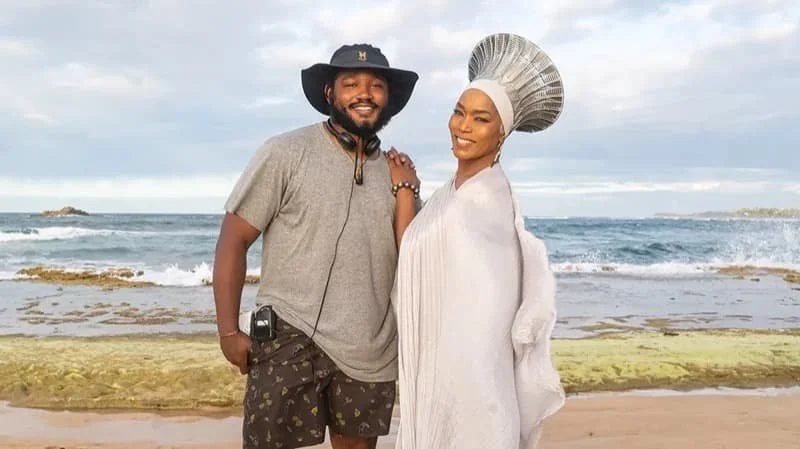
Image Source: Variety
Not since Irvin Kershner took the reins of Star Wars with The Empire Strikes Back has a filmmaker ever had so much to live up to with a sequel. It is hard to ignore the cultural impact the first Black Panther had. For a moment, it felt like Black voices would finally have equal standing in the blockbuster space. Despite the best efforts of political pundits and bitter fans trying to pretend the film’s acclaim stemmed from some politically correct conspiracy theory, Ryan Coogler will forever be known as the man who directed the first superhero movie ever nominated for Best Picture at the Oscars.
Sadly, with the passing of Chadwick Boseman, the future of Wakanda seemed uncertain, but Coogler and his team soldiered on. Like the first movie, Wakanda Forever is a loving tribute to the power of Black culture, people, and identity, all while having great visuals, music, and action to boot. One part sequel and one part tribute to Boseman, Ryan Coogler helped craft one of the most emotionally harrowing films in MCU history. Maybe even in comic book movie history period. Coogler also gave us Latinos a spotlight with Namor and the underwater kingdom of Talokan. He didn’t need to, but Coogler understands the importance of authentic diversity on the big screen. Additionally, having Angela Bassett earn an Oscar nomination for an MCU movie doesn’t hurt either.
As Ryan Coogler takes another much-deserved victory lap with Sinners, many await his third (and likely final) trip to Wakanda. Whatever he does, there’s no doubt that it’ll be spectacular.
Joaquim Dos Santos, Kemp Powers, & Justin K. Thompson
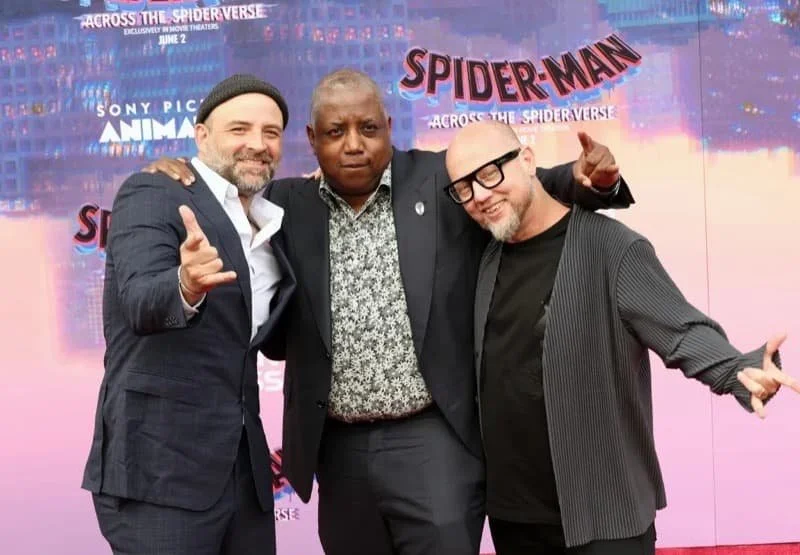
Image Source: Variety
Speaking of sequels with a lot to live up to. In 2018, Bob Persichetti, Peter Ramsey, and Rodney Rothman, alongside Phil Lord & Chris Miller, delivered one of the most revolutionary animated films of all time with Spider-Man: Into the Spider-Verse. In 2022, Lord & Miller and a new directing trio, Joaquim Dos Santos, Kemp Powers, and Justin K. Thompson, somehow topped themselves with the sequel, Across the Spider-Verse. It’s hard to find a single superhero movie that’s as acclaimed, revered, and, to be perfectly honest, as great this decade as Across the Spider-Verse is. Dos Santos, Powers, and Thompson put their heads together and crafted one of the greatest superhero movies, animated movies, sequels, and, dare I say, movies ever to grace the silver screen. Each of the three filmmakers brings something to the table.
Dos Santos’ background in superhero animation of DC and Marvel's past, Powers’ award-winning work on films such as Regina King’s One Night in Miami (based on his own play) and Pete Docter’s Soul, and Thompson’s work with Genndy Tartakovsky and Lord & Miller, all make them ideal candidates to craft truly great superhero cinema. The trio and the legions of talented artists at Sony Animation all should be proud of their work, as Across the Spider-Verse is very likely to go down as one of the greatest superhero movies ever made, just like its predecessor.
Yes, we can bitch and moan all we want about how long Beyond the Spider-Verse is taking, but it’s good that the animators are being given extra time to cook. Sadly, Joquim Dos Santos and Kemp Powers will not be joining the proceedings. While Justin K. Thompson and Bob Perischetti now take the reins, there’s no telling what mindblowing web they’ll spin in 2027.
Vera Drew
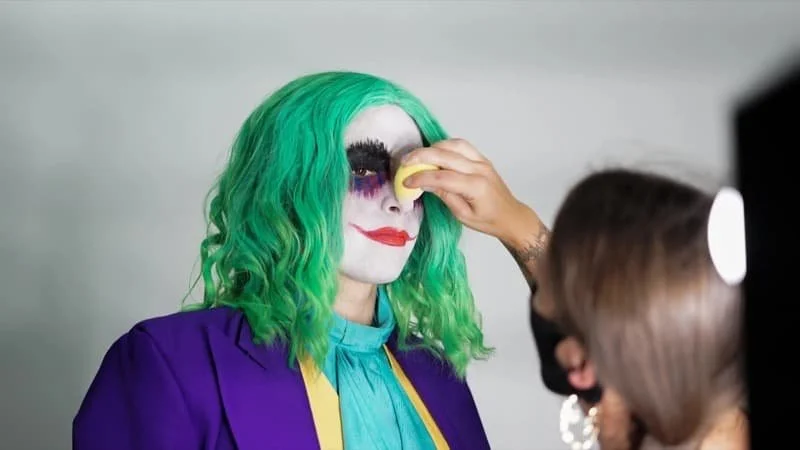
Image Source: Them
Call me a softy, but I love to spotlight underdogs and unsung heroes in the film space. 2024 was probably the worst year for superhero movies in a while. While Deadpool & Wolverine, and Venom: The Last Dance managed to make some bank, Madame Web, Joker: Folie á Deux, and Kraven the Hunter were… Well… Let’s just say the words I‘d use to describe them would probably get me scolded by my bosses. However, there was one bright spot, a woman by the name of Vera Drew. The story of how The People’s Joker went from festival darling to a film that almost went completely unseen due to legal problems to finally being released is not the interesting part of its story. Even Vera Drew would agree that the legal stuff is just a bunch of nois
The interesting part is the actual film itself. What can be boringly described as a parody of Todd Phillips’ Joker is, in reality, a thought-provoking, funny, and sometimes tragic film that paints the picture of the trans experience in ways very few things can. Vera Drew and her merry band of artists (including co-writer Bri LeRose) craft something truly special that surpasses even the most expensive films in this genre.
I can go on and on about how amazing The People’s Joker is and why it affected many trans women, including myself. But I’ll save those thoughts for another time. Stay tuned!
Jake Schreier
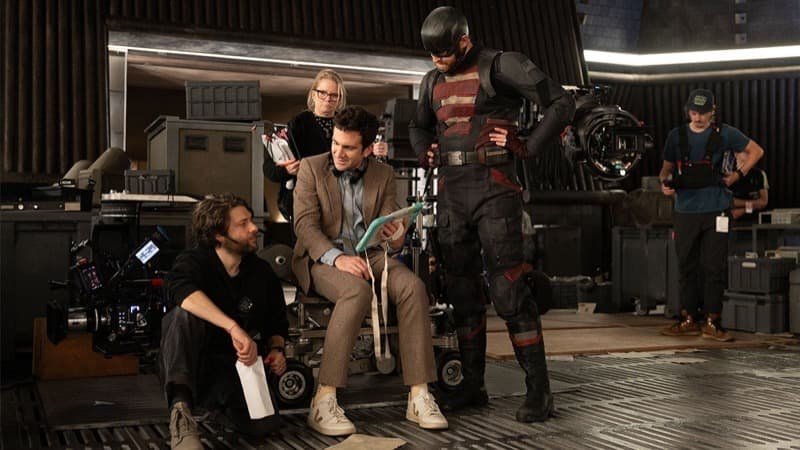
Image Source: The Hollywood Reporter
I know, it seems a little weird to include the director of a film that underperformed at the box office. However, ignoring the overwhelmingly positive critical and fan reaction to Thunderbolts* would be incredibly dishonest. Jake Schreier is a director who has worked on films such as Robot & Frank, television series including Lodge 49, Beef, and Skeleton Crew, and music videos for artists like Kendrick Lamar, Benny Blanco, Justin Bieber, Haim, and Chance the Rapper. He was also a part of a filmmaking collective known as Waverly Films in the mid to late 2000s, alongside veteran MCU director Jon Watts. It was only a matter of time before Schreier joined the MCU himself. Thunderbolts* (or is that The New Avengers?) was a film Marvel desperately needed. Not because they were putting out trash, but rather every film released after Wakanda Forever (sans Guardians 3) was lacking in the character-driven storytelling the MCU was known for.
Schreier and writers Eric Pearson and Joanna Calo infused Thunderbolts* with much-needed emotional depth that made it more than just another team-up movie. Schreier had the unenviable task of bringing together characters we haven’t seen in a while, such as Yelena Bolova and Ghost, bringing Disney+ characters such as John Walker, and on top of that, introducing The Sentry into live-action. Luckily, he and his team succeeded with flying colors.
While the Russo Brothers give the Fox-era X-Men an epic farewell in Avengers: Doomsday and Secret Wars, Schreier has been tasked with bringing a homegrown version of the X-Men to life. If his X-Men film is as emotional, practical, and exciting as Thunderbolts* was, we’re in for a straight-up comic book movie classic.
Matt Shakman

Image Source: Variety
Speaking of directors who have to bring iconic Marvel teams into the MCU. After decades of failure, Matt Shakman became the first director to get the Fantastic Four right on the big screen. And it’s wild considering how it’s only his second film. Though considering Cut Bank had such a small, limited release, The Fantastic Four: First Steps might as well be Shakman’s proper feature directorial debut. The film is directed with such an aura of confidence not often seen in directors who transition from television to blockbusters.
Shakman took the lessons from his extensive TV work and painted a canvas so massive, it’s almost tear-inducing. From It’s Always Sunny in Philadelphia, Game of Thrones, Mad Men, The Great, and Marvel’s own WandaVision, Shakman has had more than enough practice. Whether it’s the winning cast, Michael Giacchino’s score, or the production design, Matt Shakman got the best out of everyone who helped bring Marvel’s first family to life. Have I mentioned First Steps beat Taika Waititi’s Thor: Ragnarok as my favorite MCU movie? Can you not tell? LOL
As far as we, the public, are concerned, a sequel is in the works with rumors suggesting Shakman is due to return. If Shakman is lucky enough to come back for round two, there is no doubt in my mind that he’ll deliver something… fantastic!
James Gunn

Image Source: Deadline
Yes, he’s on here; you may put the gun down.
To be perfectly honest, I don’t think anyone has had more impact on superhero movies than James Gunn has. Like Donner, Burton, Raimi, Bird, Nolan, Favreau, and Whedon before him, Gunn molded superhero movies in his own image and has never let the genre go since. Guardians of the Galaxy came out of nowhere in 2014, not only proving at the time that Marvel can make great movies out of any property with the right storyteller, but also that James Gunn can play on the same level as directors who have made more movies than him. You can also argue that James Gunn helped put an end to overly dark and gritty superhero movies, as well as those that were ashamed of the source material they were based on, such as Green Lantern. Guardians of the Galaxy Vol. 2 was even more Gunn-esque, with the film being the one where Gunn’s directing style and writing style came into their own completely.
His affinity for music, balance of humor and depth, his signature camera pans, and cast of autism-coded anti-heroes all really cemented with Guardians 2. Despite a bump in the road career-wise, a failed attempt at political cancellation gave James Gunn the keys to The Suicide Squad, which also led him to Peacemaker, which led him to The Guardians of the Galaxy Holiday Special, which gave him back Guardians of the Galaxy Vol. 3, which led him to Creature Commandos. Am I missing anything? Why do I hear the music of John Williams? There is truly no limit to what James Gunn can do with superheroes. Even at their craziest, most emotional, most action-packed, and even at their funniest, Gunn remembers the golden rule of superhero stories: Character first.
As James Gunn and Peter Safran continue to usher in a new era for DC on film, this, in turn, will encourage Kevin Feige to get the ball rolling to match their projects. For as long as there are producers who care, directors with vision, and writers with support, superhero movies will truly never go away. The genre has always had peaks and valleys, and the 2020s are no exception. For as long as we keep getting movies like Across the Spider-Verse, Superman, The Fantastic Four, and The People’s Joker, we will continue to believe a man can fly. Or a woman can jump. Or a raccoon can shoot. Or a man can dress like a bat. Or mutants can do whatever they want. You get the point, superhero fatigue means nothing for as long as good storytelling lives on.
READ NEXT:

Latest News
Featured


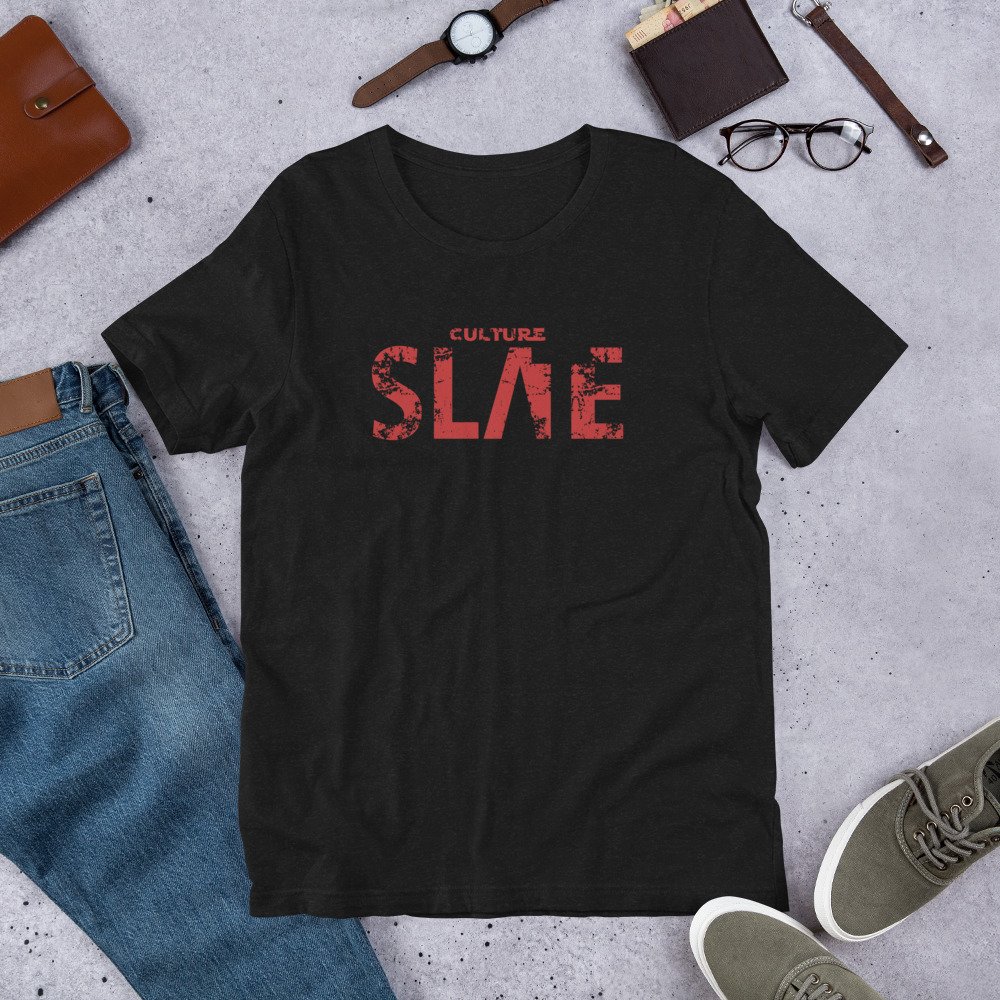
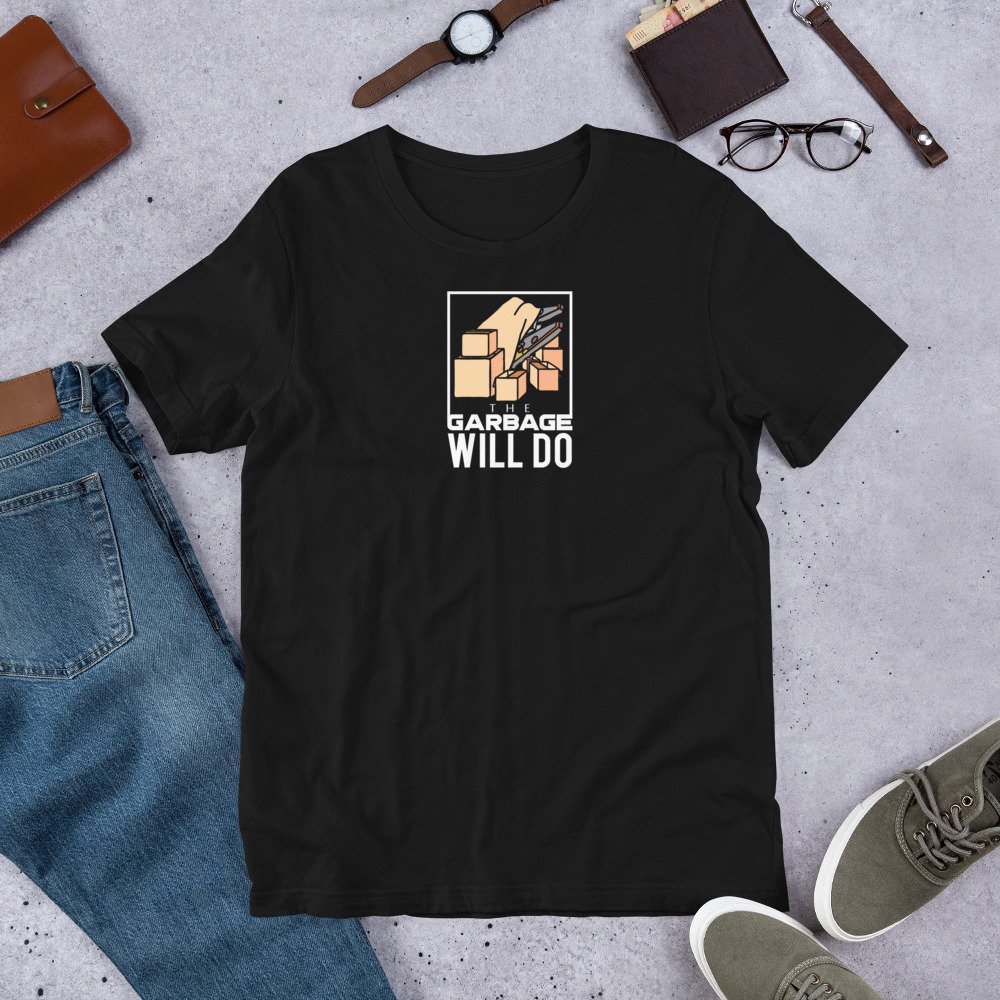

• All sizes are adult unisex
• Printed art on the front
• 100% cotton
• Pre-shrunk fabric
• Shoulder-to-shoulder taping
• Culture Slate Exclusive Design
See more products here