
Why Do We Still Love The Joker?
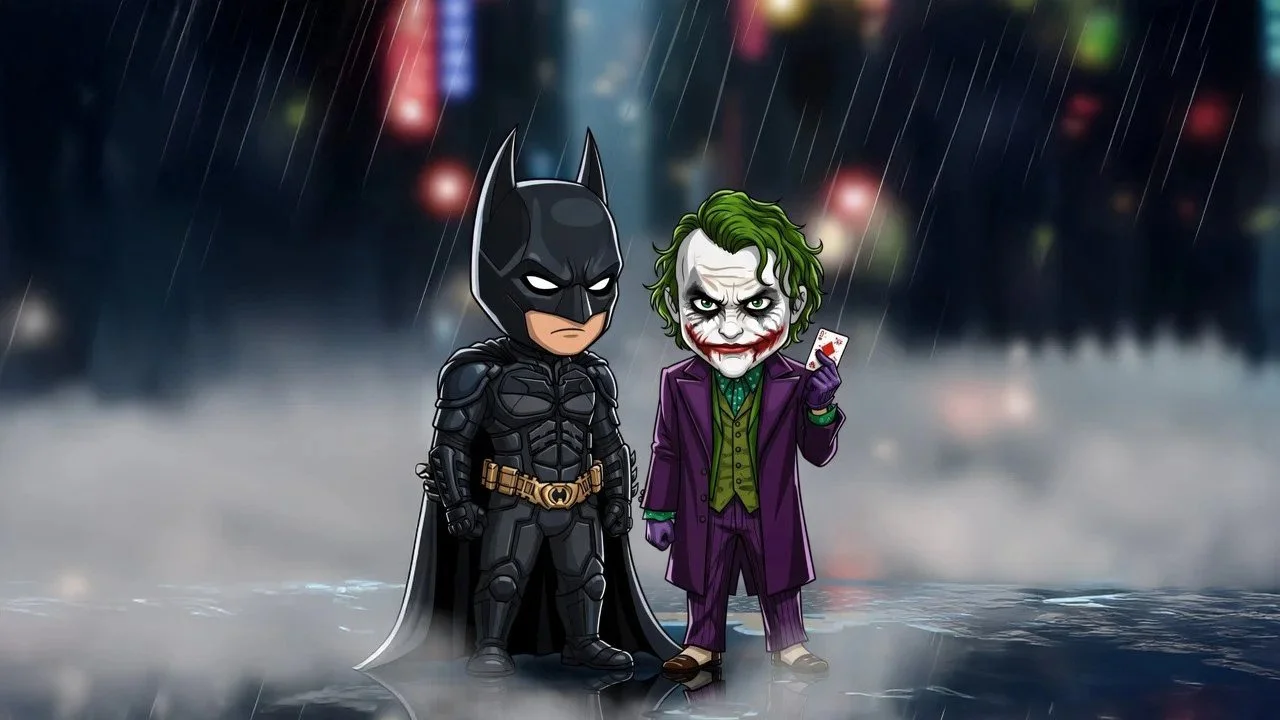
Image Source: HDQWalls
The Joker has forever been a complex character. DC Comics first introduced the character in Batman #1 on April 25th, 1940. (Fun fact: This means he shares a birthday with acting legend Al Pacino. ) The antithesis of Batman and his arch-enemy, the Joker, is an enigmatic character, known by many names. And having many backstories. He is, however, undeniably a villain. So why do fans still love the character so much?
First, as previously noted, the Joker's complex villainy and dynamic in the Batman universe make him a villain. However, his villainy is complex, whether in his backstory, his motives, or his execution of his plans.
RELATED:
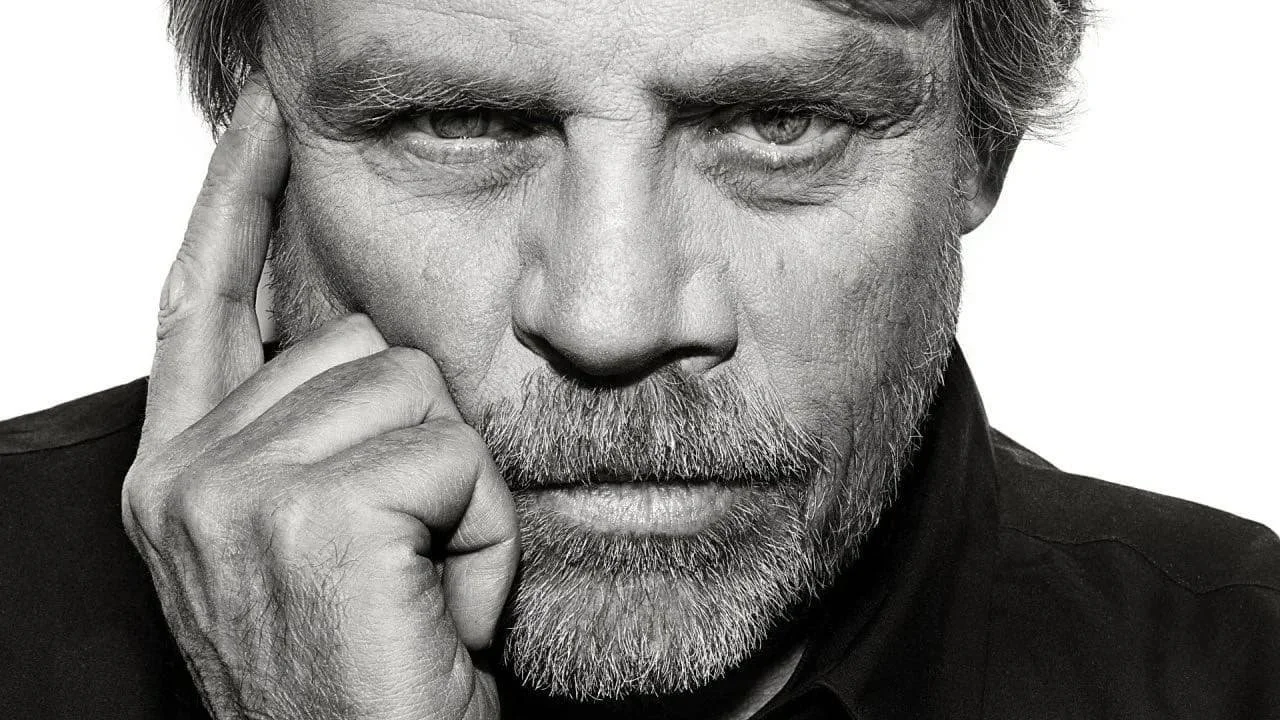
This element pairs well with his dynamic with Batman-their relationship has many layers. Their interactions are never simple, and this serves as a draw for fans, leaving them wanting more and more, thereby continuing their engagement and love for the characters.
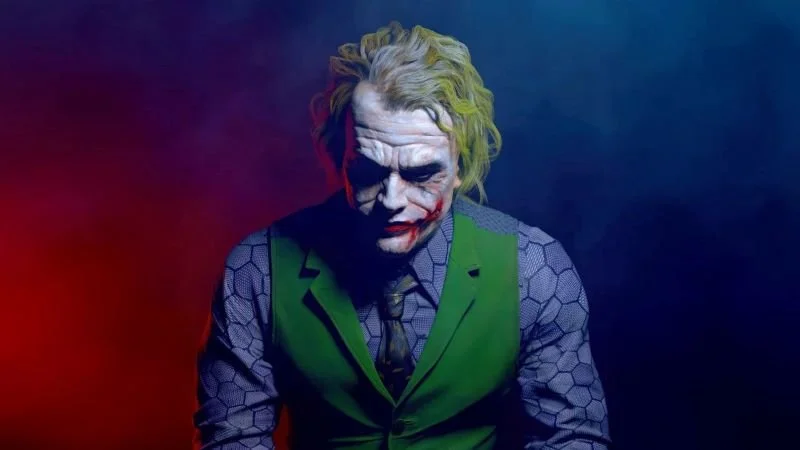
Image Source: HDQWalls
The character of the Joker also gives us unpredictable storytelling and chaotic charisma. With the Joker, we know of his villainy, but we never quite know how things are going to play out. Add to this elements like the Joker's tragic backstory in all its incarnations, his chaotic charisma in personal interactions, and the surprising philosophical depth that can be found in his words, actions, and motivations, and it gives fans a complex and attractive character that they want to continue learning more about.
Then there is also the Joker's iconic aesthetic. First, the aesthetic: the Joker's look, and whatever iteration, is indeed iconic. They all take a bright colour palette, suitable for a clown, adapted to their needs, and create something truly appealing and horrific.
There is also the Joker’s cultural impact, and that CANNOT be understated. The character is relatable to many people. One such example is found in the issue The Joker’s Millions, where the Joker expresses his reluctance, despite being a criminal, to take on the IRS. It reminds us that, just like us, no one takes on the tax man. Then there is his relationship with Harley Quinn, and people wanting to emulate it. Even though that’s a bad idea (their relationship is toxic as hell), emulating the closeness of the relationship isn’t TECHNICALLY a bad thing to want. Besides, it makes for a hell of a couple’s cosplay. That highlights another remarkable aspect of the Joker- the costumes. There are numerous incarnations of the Joker, resulting in just as many costumes, and people transforming them into cosplay and making the look their own never ceases to be entertaining.
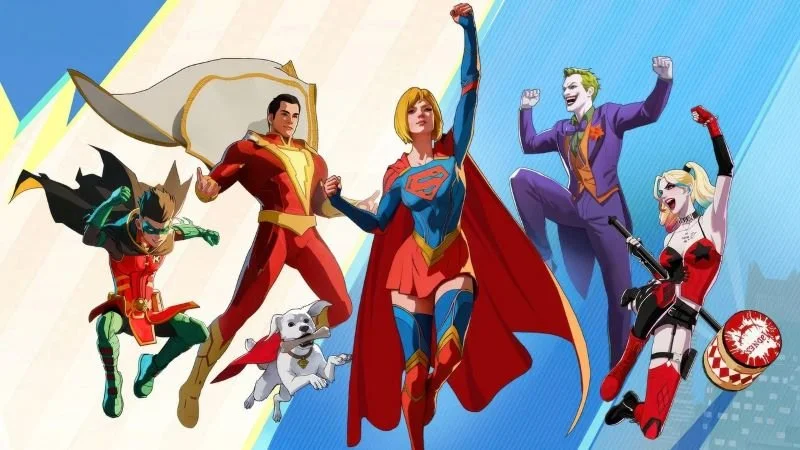
Image Source: HDQWalls
Note: The Joker is also culturally impactful precisely because he is a villain and an outcast. This appeals to fans because, unfortunately, geeks and nerds are often misunderstood and not as popular as others. Villian or not, it feels good not to have a character niche to relate to and express.
Finally, there are the performances that give the Joker his voice. As a character, the Joker has been embodied by no less than 35 separate performers. The most prolific of these is likely Mark Hamill, who has voiced the Joker in film, television, and video games. Each performance is both unique to itself and seemingly creates a “separate Joker- while also contributing to the larger mythos. The variety of voices corresponds to the variety of media formats in which the Joker appears. The voices add depth, character, and keep us coming back for more.
READ NEXT:
Latest News
Featured


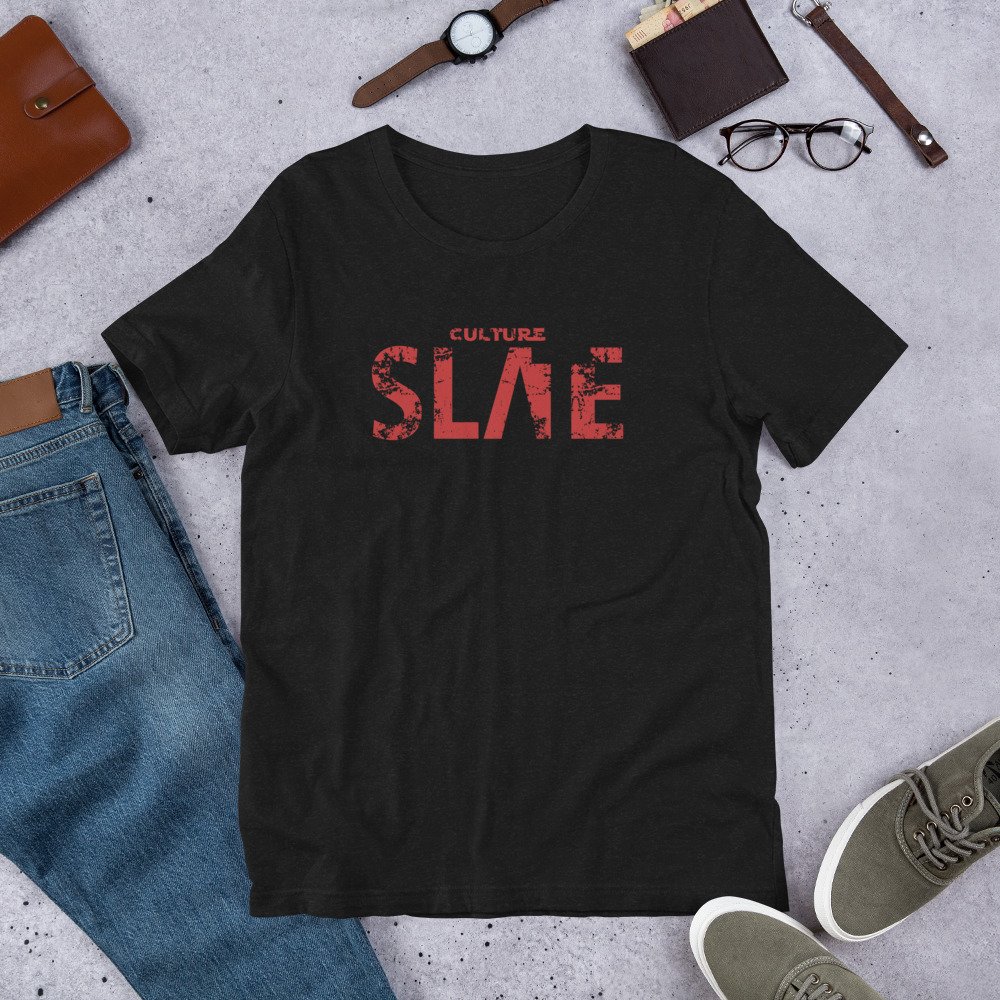
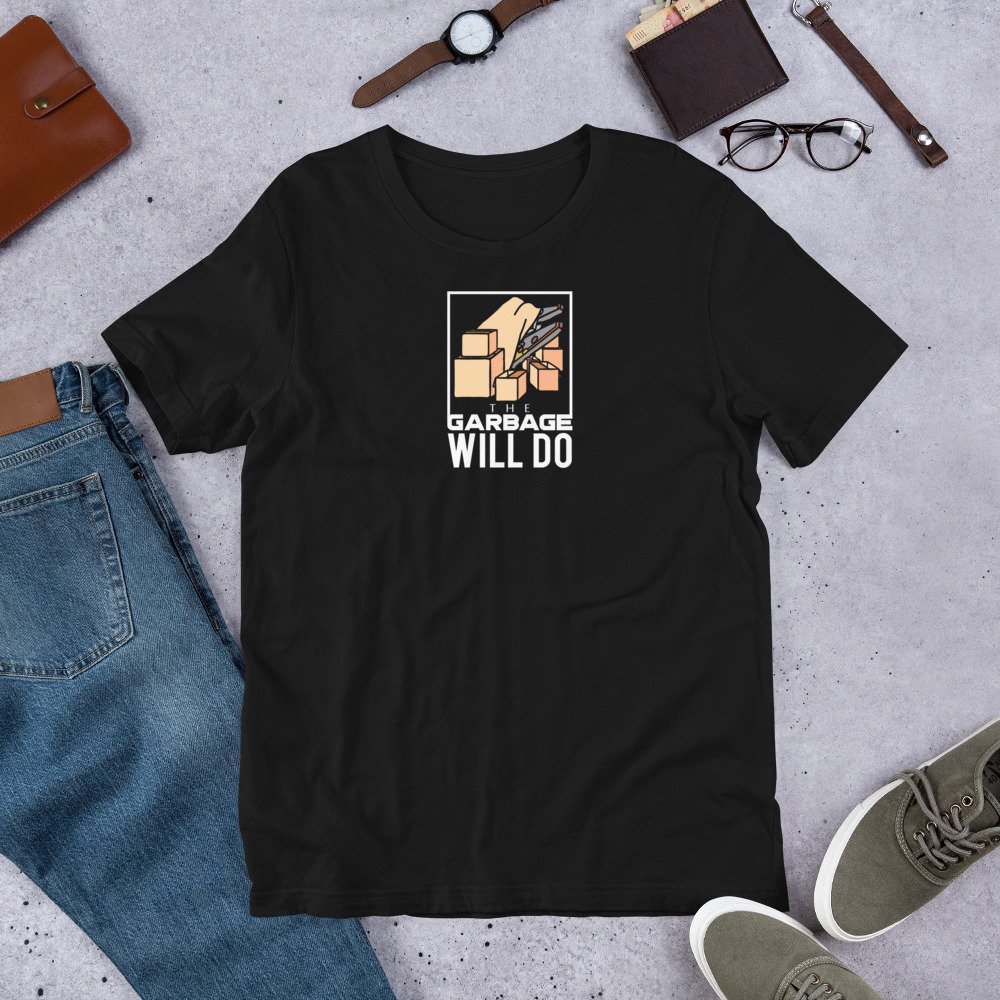

• All sizes are adult unisex
• Printed art on the front
• 100% cotton
• Pre-shrunk fabric
• Shoulder-to-shoulder taping
• Culture Slate Exclusive Design
See more products here