
Connie Francis, 1960s Pop Star Known For "Who's Sorry Now?", Passes Away
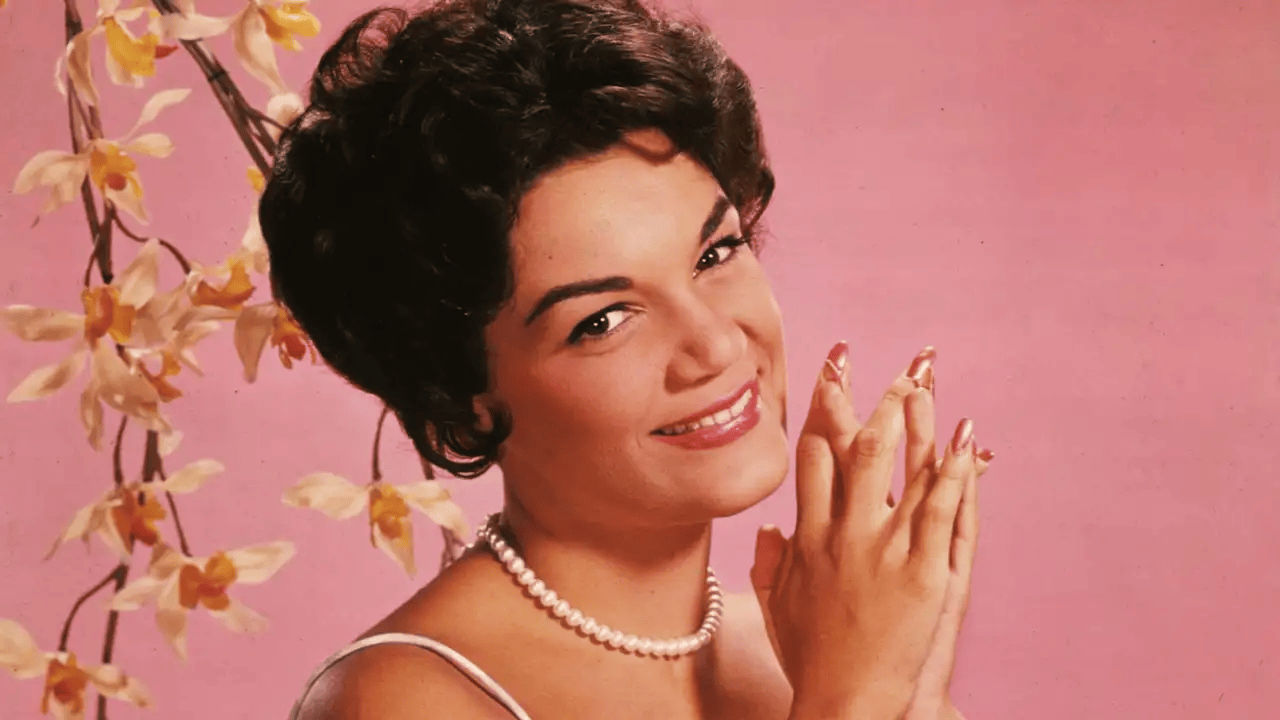
Image Source: ZoomTV
Connie Francis, the first female pop singer to reach number 1 on the Billboard Hot 100 with her song “Everybody's Somebody Fool,” passed away on July 17 at the age of 87. Her death was confirmed by her publicist, Ron Roberts, in a Facebook post.
Born Concetta Rosa Maria Franconero on December 12, 1937, in Newark, New Jersey, to George and Ida Franconero, her family was of Italian-American heritage. Francis spent her first few years in the Crown Heights, Brooklyn, area before the family moved back to New Jersey. She grew up in a mixed Italian-Jewish neighborhood and became fluent in Yiddish. This led to her recording songs in Yiddish and Hebrew during her career.
Her father encouraged her to perform regularly at talent festivals, pageants, and other neighborhood activities as a child, where she sang and played the accordion. Francis would soon appear on Arthur Godfrey's Talent Scouts in 1950, and it was during rehearsals for this appearance that Godfrey advised her to change her stage name to Connie Francis. He also told her to drop the accordion, which Francis did gladly, growing tired of carrying the heavy instrument. Francis also got a job as a singer on demonstration records, which were recordings meant to bring unreleased songs to the attention of established singers in hopes that they might record them. During this time, she also attended Newark Arts High School before her family moved to Belleville, New Jersey, in 1952, and she then attended and graduated as salutatorian from Belleville High School in 1955. She continued performing at neighborhood festivals and functions.
RELATED:


In May of 1955, she received her first recording contract with MGM. However, she initially did not see much success. Despite this, she was still hired to do the “singing” scenes for Freda Holloway in the 1957 Warner Brothers film, Jamboree. In the fall of that same year, she enjoyed modest success with a duet single she recorded with Marvin Rainwater called “The Majesty of Love,” with its B-side being “You, My Darlin’ You.” It peaked at number 93, but this success came too late for her label.
MGM informed Francis that her contract would end after her last solo single. She considered a career in medicine and nearly accepted a four-year scholarship at New York University. However, her next single, “Who's Sorry Now?”, would prove to be her breakout hit. She actually didn't like the song and only recorded it at the insistence of her father, who thought the 1923 song could be one teens would dance to if given a modern arrangement. Francis didn't think it would be a hit, and initially, she was right. However, the song debuted on Dick Clark's American Bandstand, and it was a turning point in her career. She performed the song on the premiere episode of The Saturday Night Beechnut Show (also hosted by Clark), and she was suddenly launched into international stardom. The song reached number one in the UK Singles chart and reached number four in the US. Francis was also voted “Best Female Vocalist” by American Bandstand viewers and would collect similar Bandstand awards for the next four years.
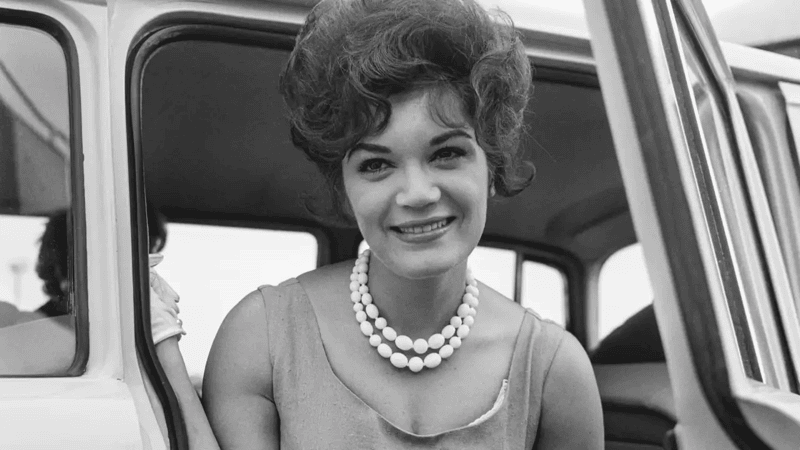
Image Source: Times Now NewsTimes Now News
Francis would continue to release single after single with varying levels of success. She met with songwriters Neil Sedaka and Norman Greenfield after the relative failure of her follow-up singles, “I'm Sorry I Made You Cry” and “Heartaches.” They played several of their ballads for the singer, but she found their ballads too sophisticated and intellectual for teen audiences, requesting a more uptempo song. They played the song “Stupid Cupid” for her, and she announced that they had just written her next hit. Indeed, they had, as the song went to number one in the UK and peaked at number 14 in the US. Her biggest success, however, was yet to come.
In late 1959/early 1960, Francis had success with her album Connie Francis Sings Italian Favorites, making her one of the first American artists to record regularly in other languages. Francis noted that language barriers often played a role in making it difficult for her songs to get airplay in European countries, especially Germany. She used these reflections in her song, “Everybody's Somebody's Fool.” The song would prove to be her breakout hit and the first song sung by a woman to reach number one in the US. The song also went to number one in West Germany with German lyrics by Ralph Maria Siegel. She enjoyed her international stardom, and this led to television appearances overseas.
Her success waned, however, when British acts such as The Beatles entered the US pop scene. Francis had her final top 10 hit, “Vacation,” in 1962. Despite this, she remained a popular concert draw and continued recording to modest success until her contract with MGM expired in 1969.
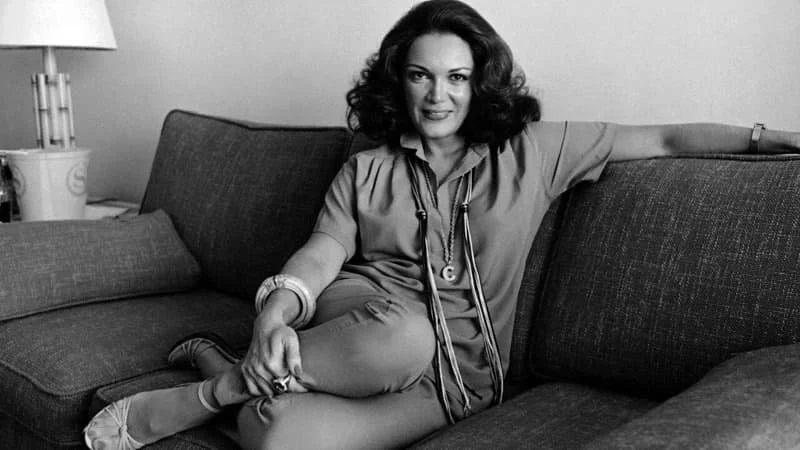
Image Source: KOAA
She returned to the studio in 1973, releasing the single” (Should I) Tie a Yellow Ribbon Round the Old Oak Tree?", b/w "Paint the Rain" on GSF Records. Her modest success, however, was followed by a rather traumatic event. Francis was in town to perform at the Westbury Music Fair in New York on November 8th, 1974. However, she soon became the victim of rape at knifepoint. Tragedy would continue to follow the singer throughout the 70s. She became more secluded after these events and underwent three nasal surgeries that left her unable to sing until 1981. That year, her brother, George Franconero Jr., was murdered by Mafia hitmen. This event led her to stop “wallow(ing) in self-pity” and take charge of her extended family. Francis would return to the studio and release the songs "Comme ci, comme ça" and "I'm Me Again", the latter becoming the title track of an album featuring the new songs. It would also be her last song to chart on the Adult Contemporary charts. Francis returned to live performance and even graced American Bandstand's 30th anniversary special.
However, this newfound success was short-lived, as she was diagnosed with manic depression, bringing her career to a halt. However, Francis would later state that it was a misdiagnosis that was concurrent with an ADHD misdiagnosis. She was committed to several mental hospitals, and it was concluded that her issues stemmed from PTSD relating to the events in 1974.
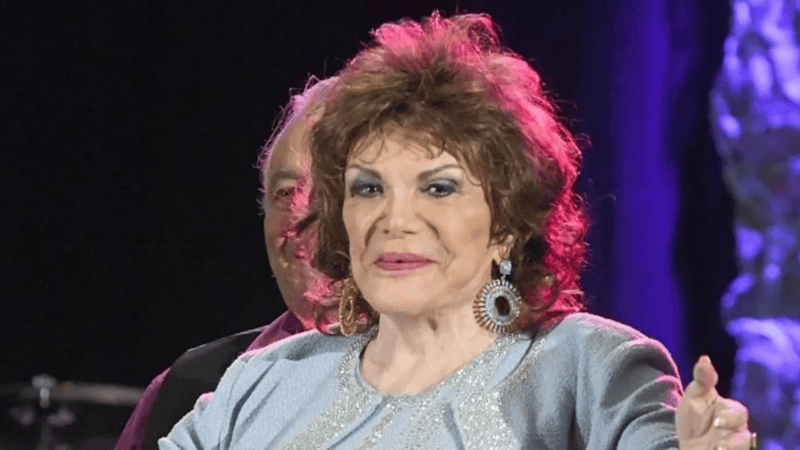
Image Source: USA Today
She resumed her career in 1989 and continued performing and recording new and old material alike. Even into the new millennium, she was still performing to sold-out crowds. Francis retired in 2018, but her legacy continued well after that, with her song “Pretty Little Baby” becoming a viral hit on TikTok. Francis appreciated the song's newfound fame and even jumped in on the fun herself.
@connie_francis_official First time I’ve lip-synched to this 63 year old recording of mine!
♬ Pretty Little Baby - Connie Francis
Francis was hospitalized earlier this year due to an injury that left her wheelchair bound. However, she was undergoing stem-cell therapy in hopes of a full recovery. The singer was hospitalized again on July 2nd due to a recurrence of extreme pain. Though she was discharged on July 4th, her condition unfortunately began to deteriorate, and she lost consciousness one last time on July 14th, two days before her passing.
Several of her contemporaries paid tribute to her, including the songwriter of several of her hits, Neil Sedaka, who shared a heartfelt video message on social media in memory of the singer:
READ NEXT:


Latest News


Featured






• All sizes are adult unisex
• Printed art on the front
• 100% cotton
• Pre-shrunk fabric
• Shoulder-to-shoulder taping
• Culture Slate Exclusive Design
See more products here