
A Look At How 'Star Wars' Gives Nods To Indigenous People
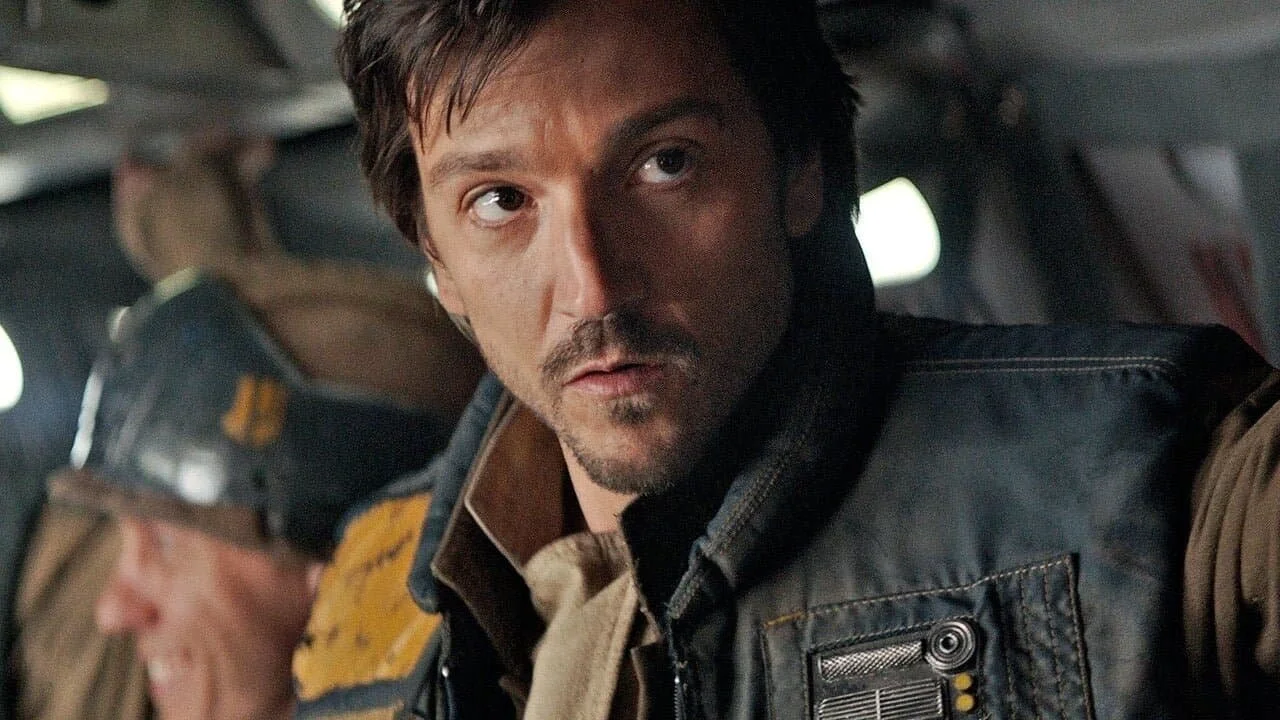
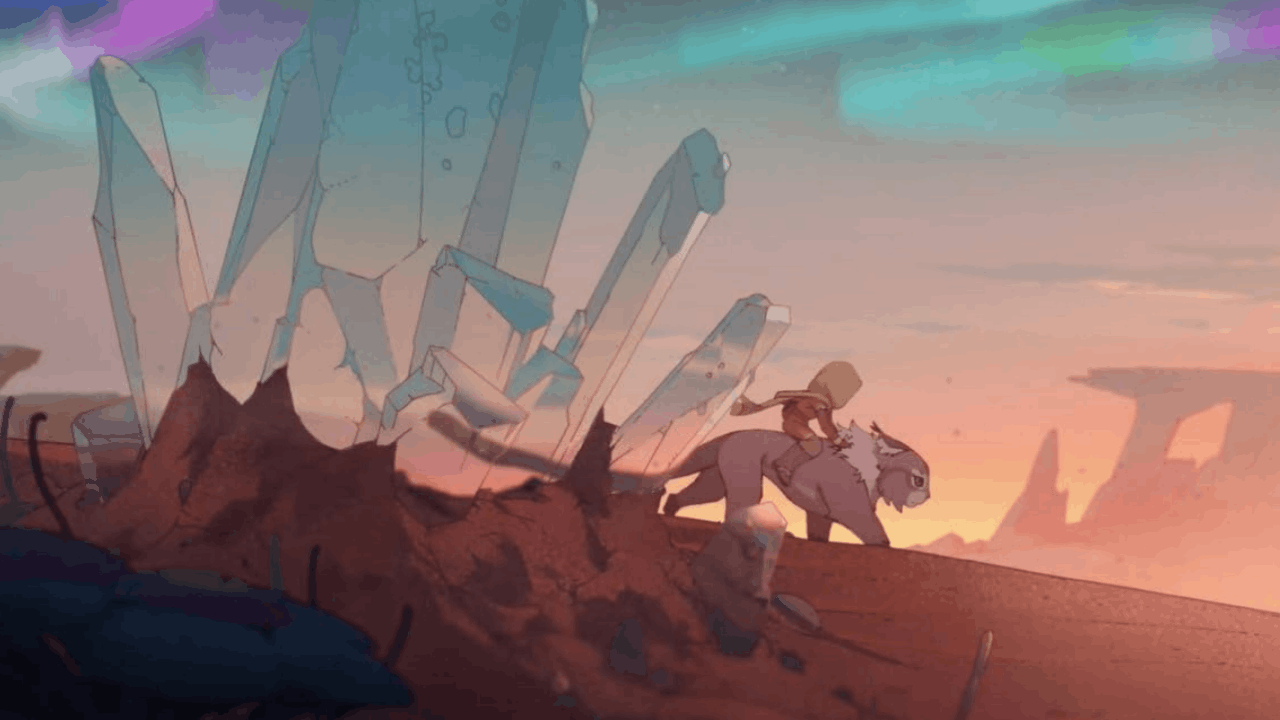
Image Source IGN
April will bring us one of the most anticipated Star Wars events of the last few years, a new season of the Disney+ series Andor. The first season brought the audience a deeper look at the complex character Cassian Andor. Originally introduced in the Gareth Edwards directed Rogue One: A Star Wars Story, we had come to understand simple things about the rebel.
He was trusted to do difficult things, he did not trust easily, and he was a man of few words. However, the film did little to shed light on Andor’s background. There was some intentional hedging at it, with lines like “I’m beginning to think The Force and I have different priorities,” and “I’ve been recruiting for the rebellion for a long time.” The former hints towards what must have been an unlucky, if not difficult, past. The latter promises a storied history with the Rebel Alliance.
What we came to discover in the first season was that Cassian Andor comes from what can only be understood as the Star Wars equivalent of an indigenous community. Star Wars has not been totally successful in its portrayals of world communities in the past, but it has not been wholly disappointing either. Yes, this franchise has brought us Jar Jar Binks and Nien Nunb, both of whom have been noted to illustrate harmful stereotypes of African Americans and Asian people, respectively.
RELATED:
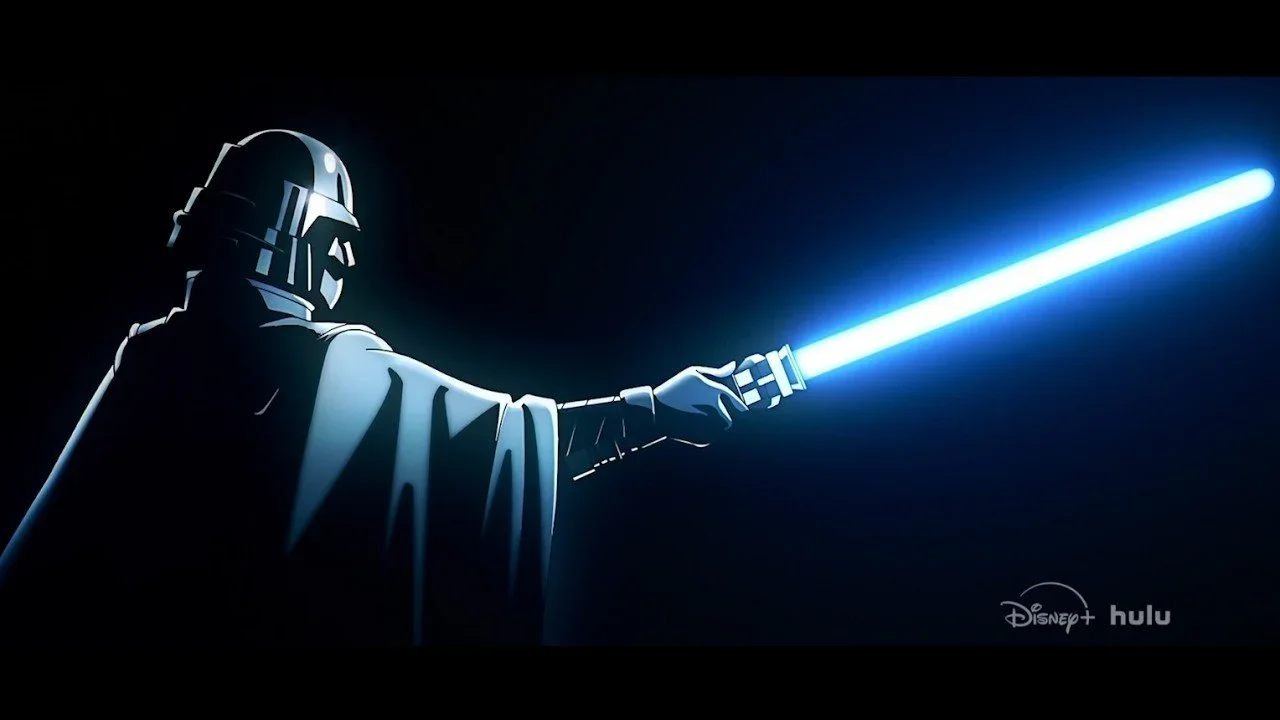
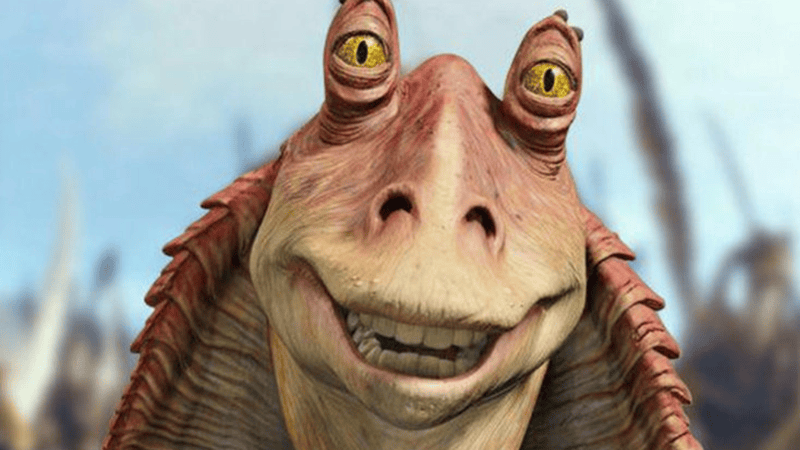
Image Source: CultureSlate
There have also been delicate portrayals of ritual and ceremony intended to mirror those of our world. This really began in the 21st century with the people and communities we see caught in the conflicts of The Clone Wars in Star Wars: The Clone Wars. Whereas the original trilogy illustrated combat and our heroes negotiating inter, and extra, personal conflicts, the episodic era has provided ample opportunities for more viewpoints.
The current iterations of Star Wars have treated ritual and ceremony, and more broadly culture, with more grace and care than in the past. This is very prominent in the themes explored in The Mandalorian, where we can see how things like religion, destiny, and individuality can create friction against each other. Today, we will examine this portrayal of an indigenous community in the Star Wars universe and see what it might tell us about the future of storytelling in the Star Wars universe.
I am Metis Ojibwe and a member of the Turtle Mountain Band of Chippewa. I have grown up with a dual identity. I am both very much American and Anishinaabe. One of the first things that struck me about how Cassian’s youth was illustrated was in his people’s language and organization.
Much of my people’s language (Michif) is integrated with American English when we speak amongst ourselves. When an outsider is witness to this, terms and sometimes meanings can fly over their heads. The audience is witness to the native language of the Kenari people spoken without the comfort of translation. My mother was regularly referred to by her grandfather as “Chi fille,” but only at home. It was a name for them and not for the rest of the world. There is also an effort in this introduction to juxtapose the interactions of the Empire and the Kenari people. There is a cold illustration of hierarchy vs. egalitarianism.
The next element I found interesting was in how Cassian Andor interacted with authority. There has been an inherent friction between various Native groups and the United States government dating back as far as the inception of the United States itself. The complexities regarding allegiances during the American Revolution are well documented and well-known, however, the inherent friction is remarkably current. Notably, Native Americans weren’t considered American citizens until the passing of The Indian Citizenship Act in 1924, and this act did not guarantee them the right to vote. Many states created laws prohibiting Native groups from voting.
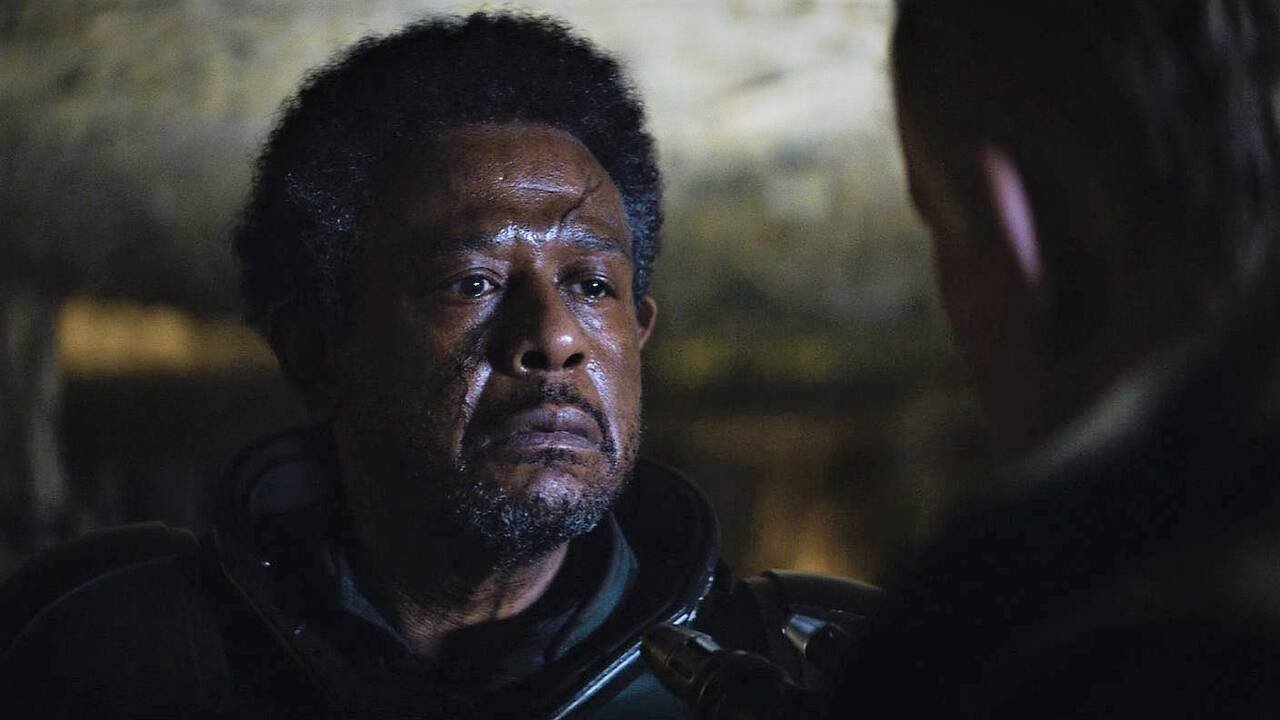
Cassian’s first interaction with authority ends with one accidental death and one execution. His defensiveness is a little up to interpretation at this point in the show, but a little light is shone on the situation when an Imperial summarizing the ugliness of the situation (and the need for a cover-up) noted that the deceased must have “…harassed a person with dark features and picked the wrong person to annoy.”
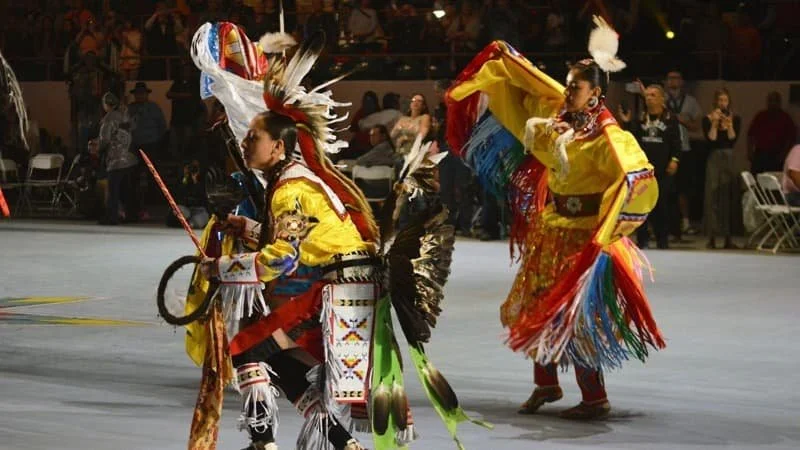
Image Source: Milwaukee Spectrum News
It is likely that most watching assumed Cassian’s defensiveness was at least mostly due to his presumed rebel allegiance and motivations. However, race was introduced to the equation at this point. This inclusion really hits home, as I have had numerous interactions that would not have occurred in the manner in which they did if I did not have “dark features.” The most prominent being a teacher that informed me they did not like “my kind.”
The last element is probably the most obvious and that is the clothing and ritualized painting. The world is familiar with Pow-Wows and other rituals Native groups in the United States practice. However, one thing that touched me about the act of ritual painting in Star Wars was that it was a shared and cooperative act. In real life, this is rarely the act of an individual in a mirror. It is people helping each other create marks of symbolism.
In conclusion, I appreciate that the show had the courage to show how an indigenous community survives and interacts with encroachment. I think the portrayal was successful and valuable, and I look forward to what the second season has to offer with its proven record to date.
Thank you for coming on this journey as we examined the portrayal of an indigenous community in the Disney+ series Andor. I hope you had fun, and may the Force be with you!
READ NEXT:

Latest News
Featured



• All sizes are adult unisex
• Printed art on the front
• 100% cotton
• Pre-shrunk fabric
• Shoulder-to-shoulder taping
• Culture Slate Exclusive Design
See more products here