
The New Jedi Order Should Not Be Inspired By The Protestant Reformation
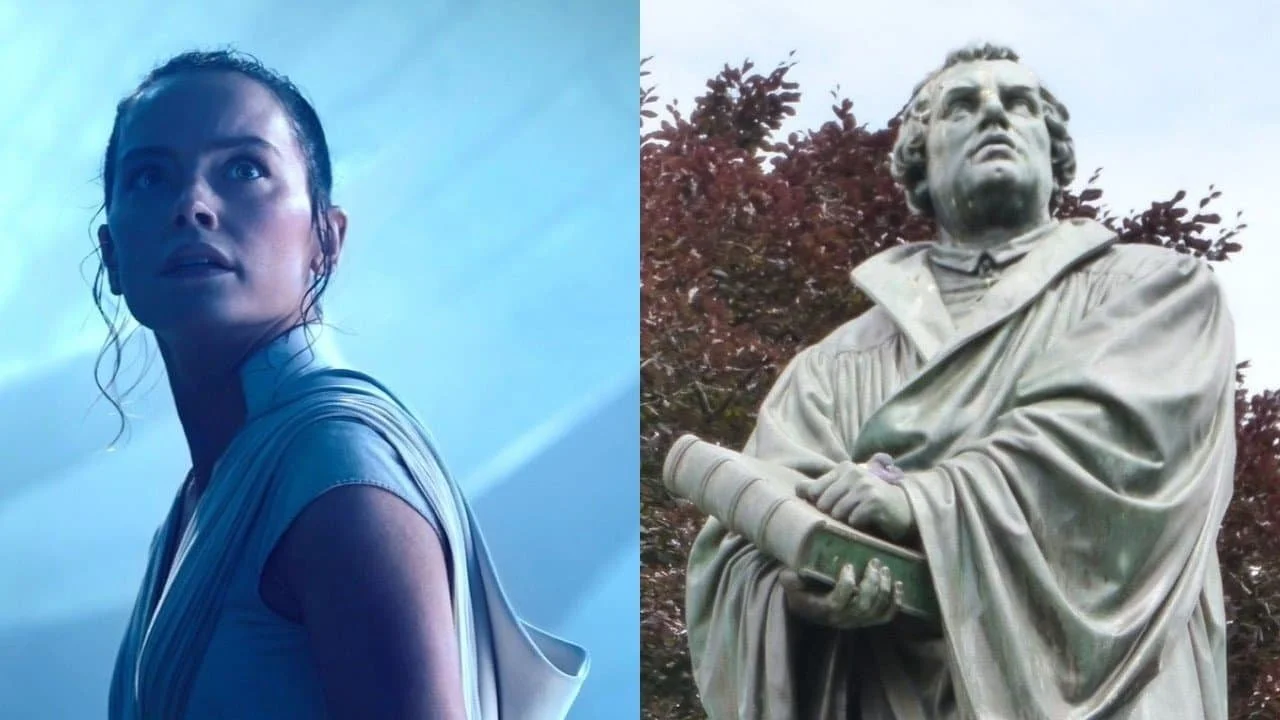
Image Source: CultureSlate
Star Wars has always combined elementsfrom across the worldfor its storytelling, be it cultures or history, sometimes creating awkwardly mixed metaphors, and other times creating a unique commentary or synthesis of elements that results in something new. The Original Trilogy was profoundly shaped by George Lucas’ worldview about then-current and recent American politics, and the same can be said of the films that followed (though with the worldview of others), while projects like The High Republic roped in Arthurian legends, the Kennedy Administration, and the prospecting of the Wild West into their storytelling. But in May of 2026, Damon Lindelof discussed some of his and his creative partners’ ideas for the Star Wars project they were hired to write, and the core inspiration for their effort is just flat out flawed. Today, we’re going to dive into the nature of the Protestant Reformation and why it would have been a poor source of inspiration for a post-Episode 9 Star Wars film.
To directly quote Lindelof: “But what we were attempting to do, my partner Justin Britt-Gibson, Rayna McClendon and I, what we were attempting to do was to have this conversation in the movie, which is to say there is a Force of nostalgia and there is a Force of revision, and they are at odds with one another, and let’s do the Protestant Reformation inside ‘Star Wars,’ and it didn’t work. You have your cake and eat it too. The conversation that the fandom is having, without winking and looking at the audience, that didn’t feel necessarily that risky.”
RELATED:
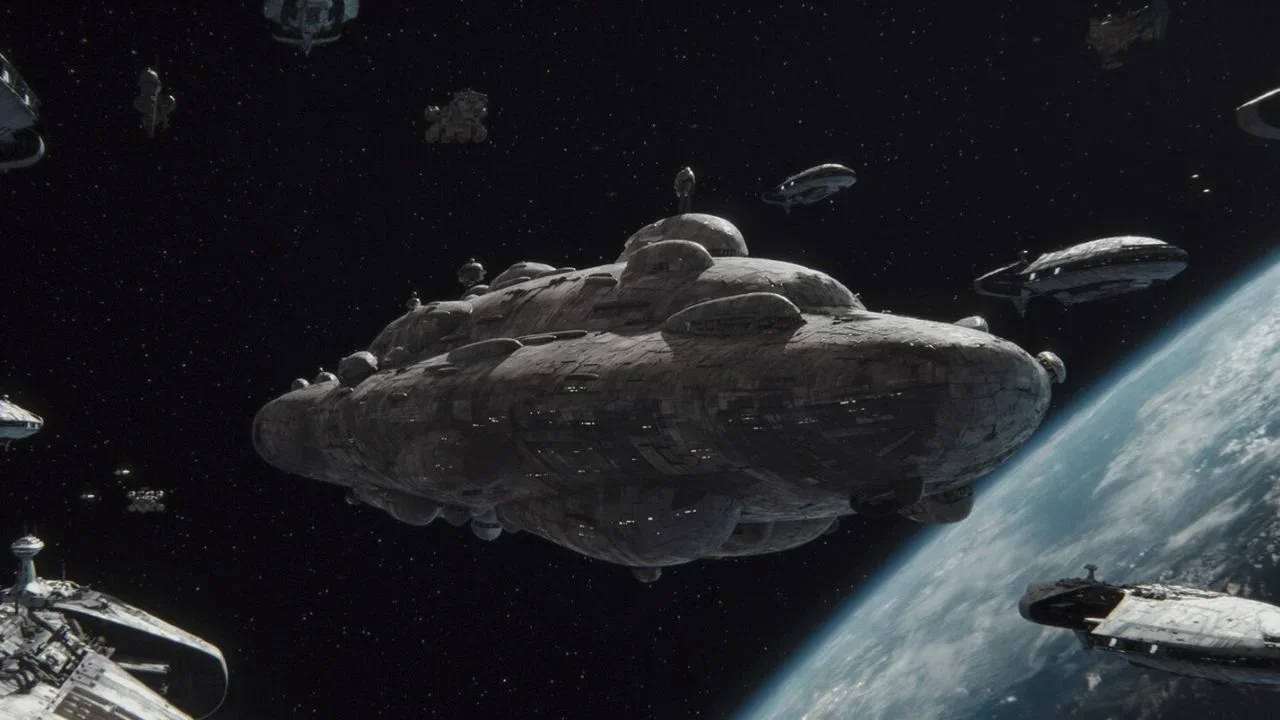
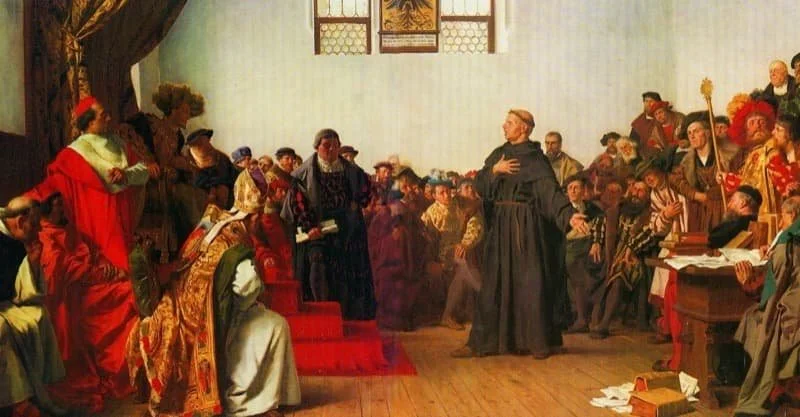
Image Source: Wikipedia
The Protestant Reformation was one of the most significant political and religious events in European history, and is often grouped with other events of the late 1400s and early 1500s to argue that this period represents the end of the medieval era and the beginning of the early modern period. It has a very layered and complex legacy, and engaging with even portions of it would have been incredibly difficult for Star Wars in a post-Final Order era.
To begin, the Reformation was a result of a monk, Martin Luther, seeking to decry flaws he saw in Church doctrine and practices connected to those doctrines. Initially anchored around the concept of indulgences, which is when the Catholic Church would sell tokens meant to reduce an individual’s time in Purgatory, the scope gradually expanded as Luther refined and grew his ideas. Luther is notable for having finished a translation of the Bible in the common German spoken at the time, rather than Latin, and due to the recent growth of printing presses in Europe, he saw this Bible and his other ideas rapidly spread. Broadly, Luther’s ideas came to be that much of what the Catholic Church, and the doctrines it held, was not in the Bible, and should not then give the Church total authority by claiming alignment with those practices.
While he grew quite radical on some issues, and his followers even more so, Luther was still a believer in feudal systems of government. When a great revolt of the peasantry who used passages of newly translated scripture to back their demands for equality broke out across the German states, Luther sided with the nobility, and supported the ensuing suppression of the revolt. The Church’s response to all of this had been to first dismiss Luther’s beliefs, before Holy Roman Emperor Charles V accidentally gave Luther a platform to spread his ideas when he called him to debate the Emperor at the Diet of Worms (pronounced Voms).
Excommunicated as a result of his beliefs, Luther spent the rest of his life working to shape his new church, while many others sprouted up, seeing his success and spinning off from key theological disagreements with Luther’s ideas. The Catholic Church took some time to properly respond to this threat, as the tension took on heavy political dimensions as German princes and other rulers sided with the likes of Luther against the Church. At the Council of Trent, Catholic religious leaders ultimately began a revival effort that largely reinforced the existing structure, with many reforms only existing to help bolster a continuation of the status quo.
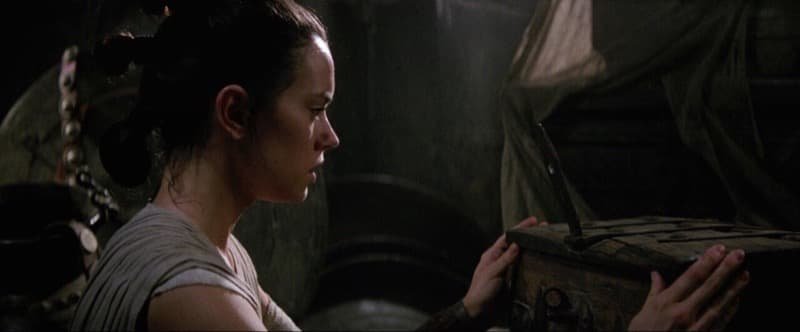
Image Source: StarWars.com
This brief overview will undoubtedly read as familiar to some, but it is also an incredible oversimplification. Even so, it gives a number of avenues of critique for the idea that after the events of the Sequel Trilogy, Rey and her Jedi Order should have anything to do with a Reformation-like environment. In such a situation, is Rey meant to be the Catholic Church? If so, who would her enemy be, Finn? A new character? Who could possibly be the villain in a story like that, without painting one side of a nuanced conflict as evil, and if the goal had been to have an external threat acting on both halves of this split, how would that interact with an ongoing schism within the New Jedi Order? Who would be getting manipulated? There are ample possibilities for very poor characterization and awkward fusions as a result.
There are other issues as well, such as the timing. While some ideas are deemed “timeless” (looking at you Lone Wolf and Cub dynamic, or enemies-to-lovers trope), others exist within very specific snapshots of history and political pressure. The Reformation is one of these, and serves as an example of how newly introduced technologies and specific political concerns can help change the world. Reformers previous to Martin Luther had been successfully suppressed by the state and the church working together, but in this case, the use of the printing press to widely spread Luther’s arguments and the role German leaders played in shielding Luther out of genuine religious concerns, but also political desires, is key to consider.
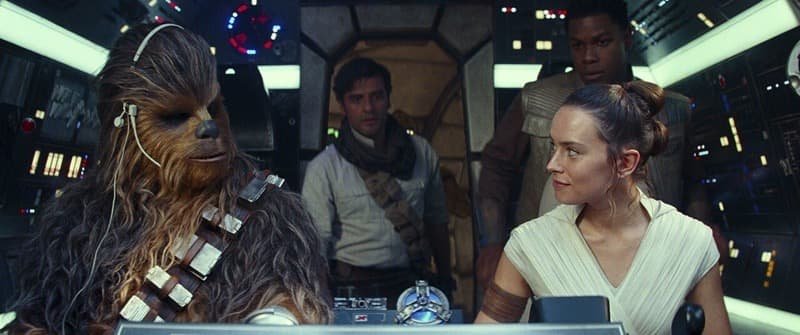
Image Source: StarWars.com
Lindelof’s story would have taken place after the surge of one of the most powerful militaries yet seen in the galaxy, in an era where the Sith were at last defeated and the Jedi needed to be rebuilt for a second time after Luke Skywalker’s efforts years earlier had faltered. What we need to see in whatever future Rey story we get is not a reformation, nor a clash between Jedi over changing ways, but a Rey who already changed things, and who is instead engaged in a project of rebirth. There needs to be hope, not conflict, among her students for the Jedi to be successful, and to have her fall into the same issues as Luke did would be sad to see, and also narratively exhausting. Yes, it's like poetry, it rhymes, but there are such things as slant rhymes, and also a time and place for a lack of symmetry. Sometimes, one verse can be better than the other.
Admittedly, we are operating with limited information. Considering we don’t even know how Luke’s school functioned and the choices he made, perhaps it would have been that Luke and some remnant of his school was the Catholic Church, and Rey was the reformer. The clash of forces of revision and nostalgia mentioned does have weight, particularly right now, as Disney and Lucasfilm heavily rely on nostalgia for Star Wars (not without reason, both for commercial reasons and the fact that the franchise approaches its 50th anniversary next year).
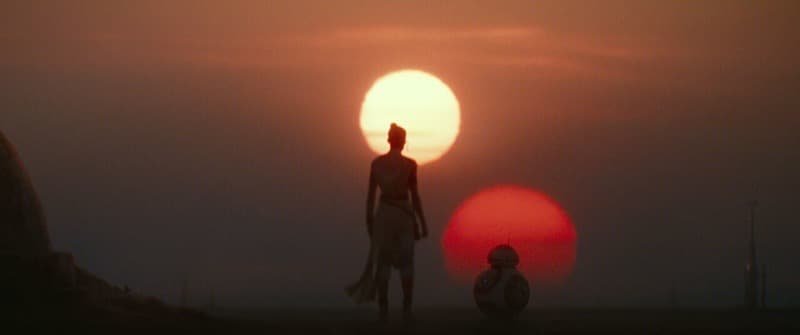
Image Source: StarWars.com
Lastly, when Lindelof refers to the Reformation, he almost certainly means a conception of that event in the broadest terms, of someone breaking away from an existing powerful body to reform and then found something new, defied by traditionalists. We don’t know if the threat to the Jedi mentioned as playing a part in the New Jedi Order in the most recent updates to the project, but the conflict of people who don’t want the Jedi to return versus Rey’s revival of the order does have faint echoes (depending how the story is told) about a battle between nostalgia and revision. It could be a galaxy that wishes to move on from old ways with new systems in place, whereas Rey and her allies want at least one of those old ways to remain intact.
But, at the end of the day, it is probably a good thing that we did not get Lidenlof, Justin Britt-Gibson, and Rayna McClendon's vision for a post-The Rise of Skywalker galaxy. The Reformation is the wrong source of inspiration to begin a post-Skywalker Saga trilogy with, immediately dredging up conflict between parties that should instead seek to thrive, and having links to a specific period of our real world, which is not replicated in the specific era of the timeline it was being placed in. We look forward to hearing more about just what kind of world Rey’s Jedi exist in alongside their allies with the film Starfighter and beyond, with a hopefully different historical era being drawn from for their worldbuilding.
CultureSlate: Made by humans, for humans.
Please consider supporting our AI-free content via our Patreon page.
READ NEXT:

Latest News

Featured





• All sizes are adult unisex
• Printed art on the front
• 100% cotton
• Pre-shrunk fabric
• Shoulder-to-shoulder taping
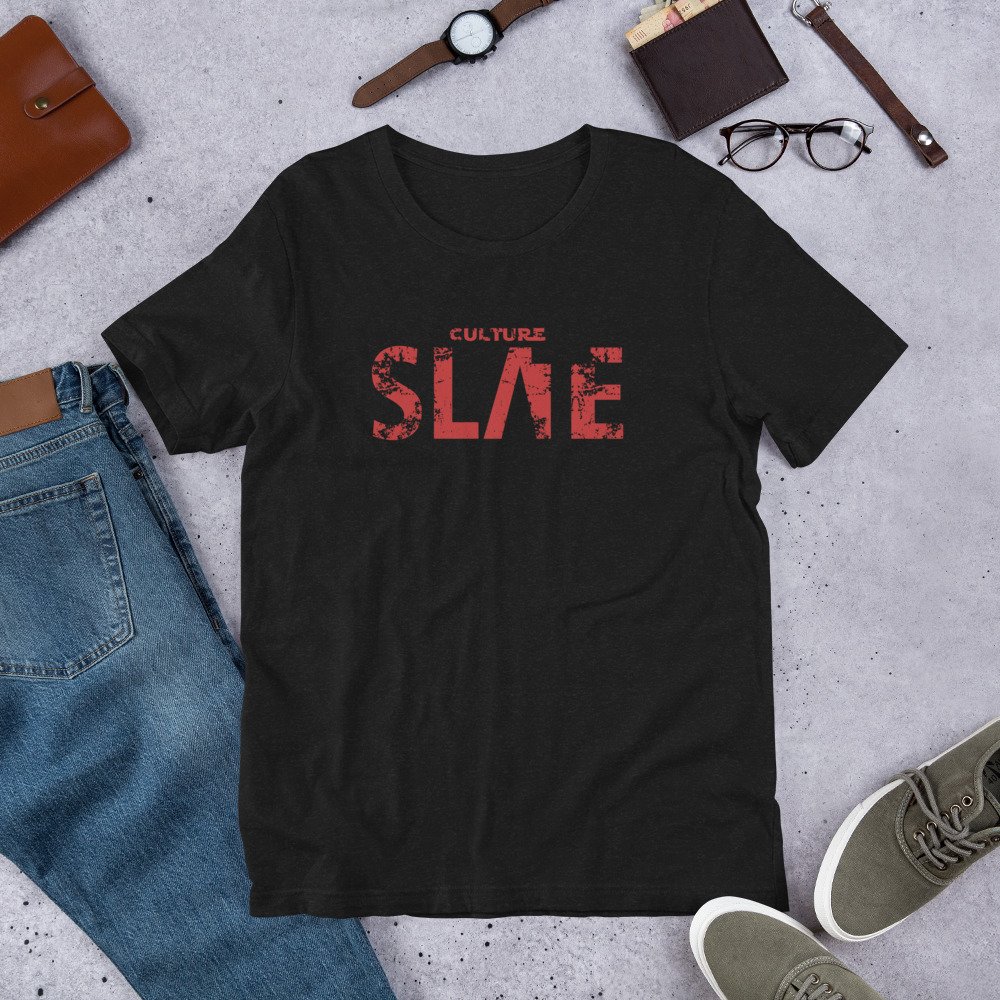
• Culture Slate Exclusive Design
See more products here