
Exclusive Interview With Writer Jasmine Walls And Artist DozerDraws For Maverick’s Graphic Novel, ‘The Last Session, Vol 1: Roll For Initiative’
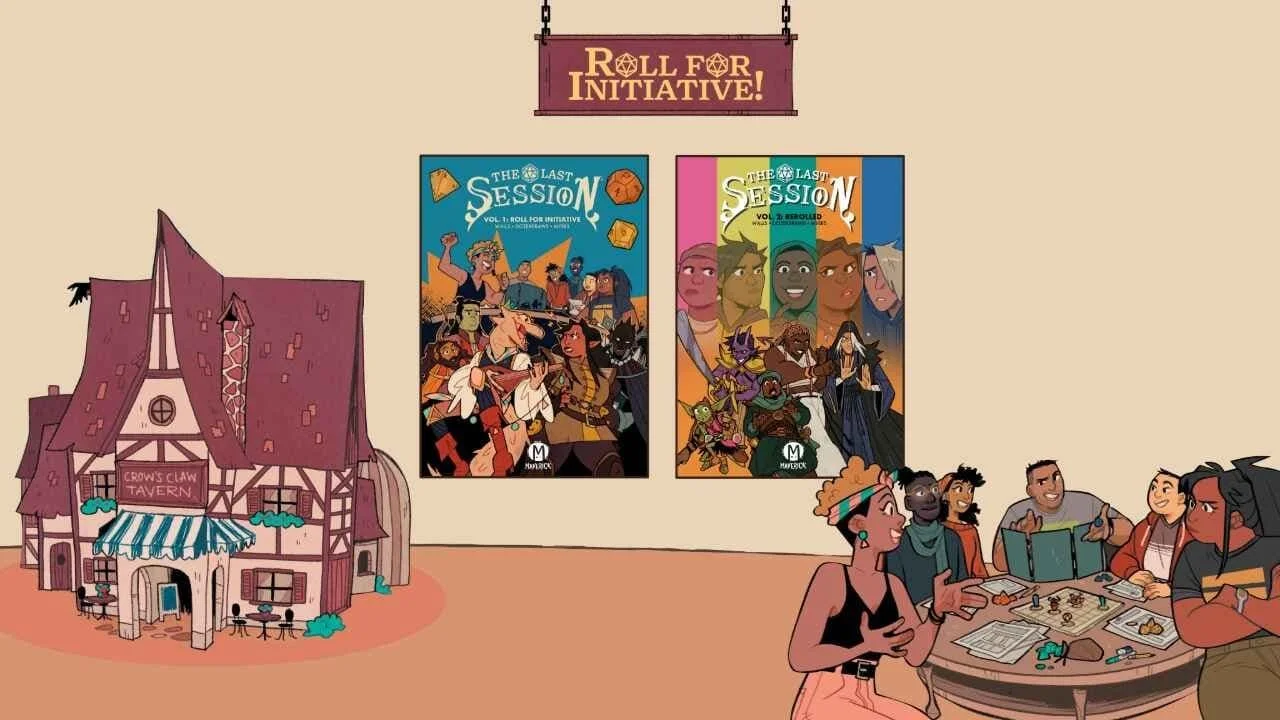
Image Source: Maverick/Mad Cave Studios
CultureSlate had the privilege of sitting down with the writer, Jasmine Walls, and artist, DozerDraws, for Maverick’s new [reprinted] young adult graphic novel, The Last Session, Vol 1: Roll For Initiative. Here is some exciting insight into the new story and what the process of making a comic book and graphic novel is like.
CS: Jasmine, what drew you to writing a TTRPG comic?
Jasmine: I'd written a very short comedic comic around 10 years ago, when I was very early in my comics career. I had written up this story where you have this group of players, and one of the players is desperately trying to kill this Orc warrior, but they keep only rolling ones and ends up seducing him instead. It went viral. Years later, someone who had read that comic, who became an editor of Mad Cave, reached out to me because of that specific comic. Mad Cave wanted a D&D comic. It sounded really fun, and the concept was really cool. I got a super rough base concept, and then I could do what I wanted. I love writing about tabletop stuff, and writing about friends working their way through their emotions together.
RELATED:
CS: How did you get into art for comics?
Dozer: It was not my intention. I studied film and animation, but I didn't really get into it. A friend of mine is friends with an editor who used to work at Boom! Studios, and they were looking for an artist to work on their Lumberjanes series in 2017 or 2018. It was very similar to working on animated films. I was doing a lot of storyboarding during my studies, and I really liked doing that so it translated well.
CS: Since this is a reprint, did anything change between the reprint and the original? Did anything change artwork style between the original and the reprint since Dozer did both?
Jasmine: They're resizing the pages so it's going be a different size to match the Maverick books, rather than the big, tall traditional Mad Cave books. They had to go back and re-letter things so everything looks nice and neat. We did add a whole 10 page epilogue to the end, but no other rewrites to the story.
Dozer: I tried to keep it the same way. With art styles over the years, they're always developing, but we added a couple of extra pages, an epilogue, at the end, and I really hope it still looks the same. I didn't compare it to the beginning of the book, page by page. When I start a comic, it's new characters, and I have to get used to them, and by the end of the book, I think the art style does change a little bit.
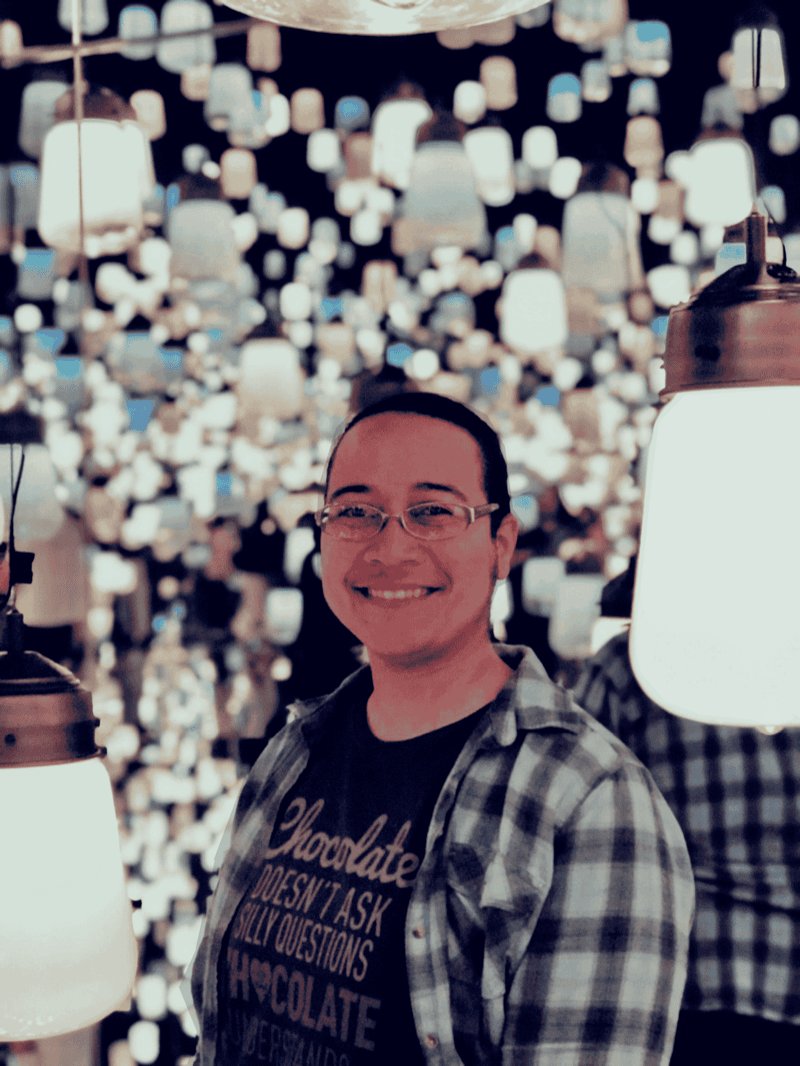
Image Source: Maverick/Mad Cave Studios
CS: Comics are such a collaborative process because you have different people doing different jobs. What has been your process, working with the two of you, and then with Micah Myers, the letterer?
Jasmine: Mad Cave picked a team. I would usually try and find the artist because I like to write towards an artist's style. I didn't know who I was working with at first when I was writing the rough draft of the script. I sent it in, and it wasn't until the thumbnails were getting worked on that I found out who I was working with. I was really excited. My worry is, does my writing match this artist's style? Is my writing going to make this as easy as possible for whoever I'm working with? When I saw Dozer’s work, I knew this was going to be great for this art.
Part of my job is making sure that I do my job as quickly and as well as I can. I don't ever want to put delays on the artist or especially the letterer. I try really hard to write towards the artist. If I get the chance, I try to reach out to the artist and ask if there is anything that they would like to work on or excited about or that I could add or take away. I sent in my character design request, I sent in the scripts, Dozer immediately locked in, and very few revisions were needed.
Working with Micah was incredible. He has so much patience for me and my nonsense, requesting weird things in the script, such as, can you make this wobbly? That takes a lot of skills. I really admire how much work he's been putting into it. I always like to shout out all the people working so hard on the books.
Dozer: When Mad Cave reached out to me, the outline of the story was already done, along with a quick description of the characters and the dynamic. After reading the first story outline, doing character designs, and talking a bit with Jasmine about what her ideas were for the characters, I thought, this feels really awesome. This is something I really want to pick up when it's at the comic stores.
I love reading Jasmine scripts. They're so fun and heartfelt. You can feel these people are connected and have ages of friendship between them. By the end of the project, I felt like they're my children, and I care for them so much. One thing I love about Jasmine’s scripts is all her little notes to the artist.
Jasmine: I try so hard to make it as easy as possible, because I also do art, and I know how long it takes. Whenever I have to do something like a wild action scene or a crowd scene, I try to make it as strong as possible in the story, while making it as easy as possible for the artist. Whenever I'm writing a script, I like to leave a lot of notes, because I always want to make it very clear. I'm a very visual writer, so I always have to tell whoever I'm working with, I'm going to be super descriptive and super specific, but if you think of something better, go for it.
CS: How did you come up with the different characters?
Jasmine: In the original concept they sent me, they wanted a group of friends. When it comes to a gaming group, usually you have about five people, which is a good amount. Then it was building out personalities based on who's picking what classes, and what kind of personalities I want to use. You have someone like Drew, who plays a Paladin, is very straightforward, has strong morals, and is a very solid person. Then you have characters like Greg, who's this very charismatic Orc who's going out and seducing people to get into things, but in real life, he's very shy. I wanted to capture those different dynamics people have when they're at a gaming table.
I also wanted to represent each of them culturally, in different ways. It's a very diverse cast, and I wanted to be able to reflect that in a way that didn't feel like I'm checking boxes. That was a question I asked Dozer. How can we inspire each character's outfit using their culture?
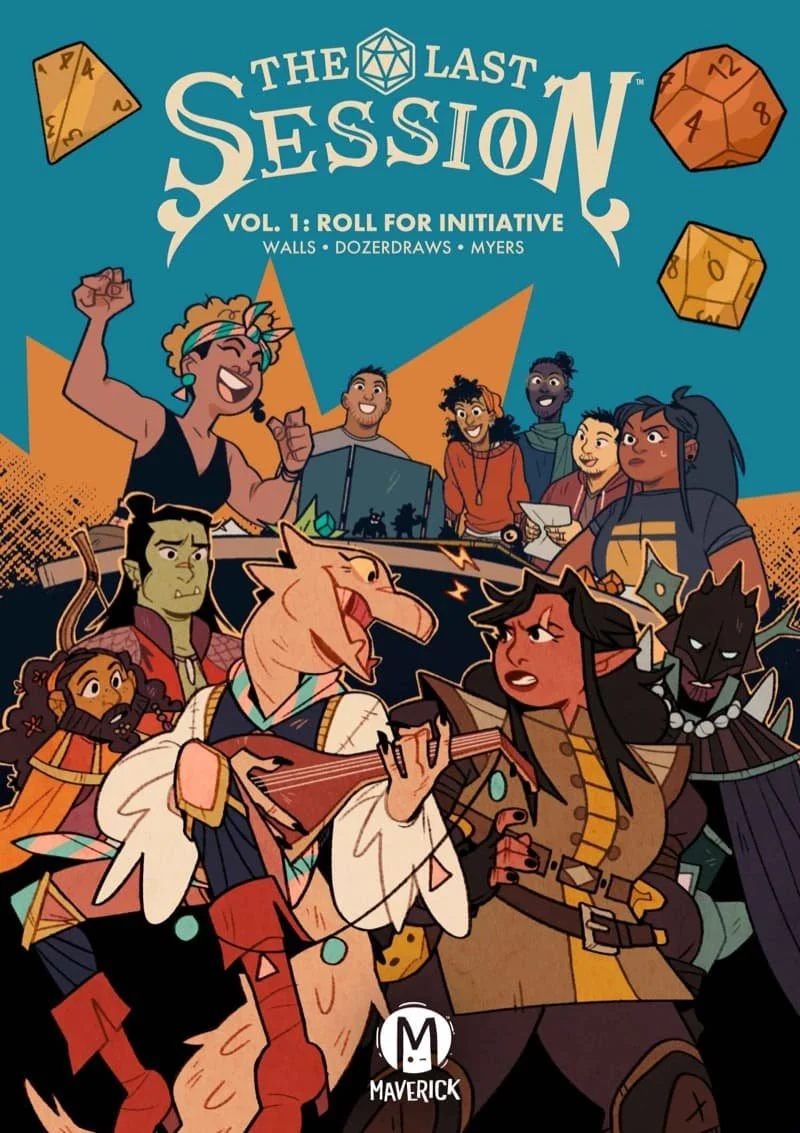
Image Source: Maverick/Mad Cave Studios
CS: How does the process of writing a script work?
Jasmine: I write the script. It goes to Dozer, who does thumbnails, pencils, inks, colors, and then it goes to lettering. Lettering is always done last, otherwise, it would be difficult for readers to know what to put on the page and where to put it.
The way that I write is, it should look, at minimum, almost like a TV script. It should have panel breaks, and it should have dialogue separated out. When you send it to, not only the artist but also the letterer, usually their job is to highlight those lines, pull them out, and stick it straight to their design format. What they do after that is where they're cleaning up the font, making sure it looks nice, and positioning it properly. But they should never have to retype what you've written. My job is to write the story, but also to make the way I'm formatting the script as easy as possible for everyone to read it, the editors, the artists, the letterers, anyone who's going to be touching the project. It should be very clear. It should not take extra time.
The first thing I do is I make a rough story idea and send it to the editors. Once they've approved it, I can break it down into pages. Once I've broken it down to pages and have all those emotional beats (I like to focus on the narrative, emotional beats to balance out the action and downtime), that's the story flow. Then I break it down into each page's panels and add in the dialogue. I do a lot of outlines before I get to that final draft, because I like to see how that story is going to play out, like when the artist does thumbnails.
CS: When you outline, how do you split the panels up so it isn’t a guessing game for the artist to figure out what to put in each of them?
Jasmine: It shouldn't be a guessing game. Comics don’t have a set script style. There's a lot of people who use a similar script style but a lot of people guess, and then, if they're coming from traditional prose, it's a lot harder because they're not sure how to write a script, and they think, they’ll just break it into paragraphs of what happens on each page. But that's so much more work for the artist because they're not just making the art based on the story, and able to fully commit their creativity to how they want to do that, but they now have to break everything up. They have to build the layout, [and] they have to figure out how many panels are going to be on the page. That's work that the script writer should be doing.
CS: Does Micah add anything dialogue-wise to the lettering, or is he just taking your dialogue and creating the words and sound effects to fit the story?
Jasmine: I write all the lettering. Usually, it would be the editor who comes and says something like, "Hey, this dialogue sounds off". It is not the letterer’s responsibility to have to come up with a script. The scripting is my job, so I should have been good enough to do it. They should not have to do anything except maybe if there's typos or something, they might correct them, but again, that's not their job because the editor should have caught anything like that. It's their job to take whatever dialogue and stuff that I've put in and to make it look as dynamic and as cool as possible. Micah does a great job of that. It's another one of the things where if I did my job right, they should just be able to copy and paste and then make the letters themselves look really pretty.
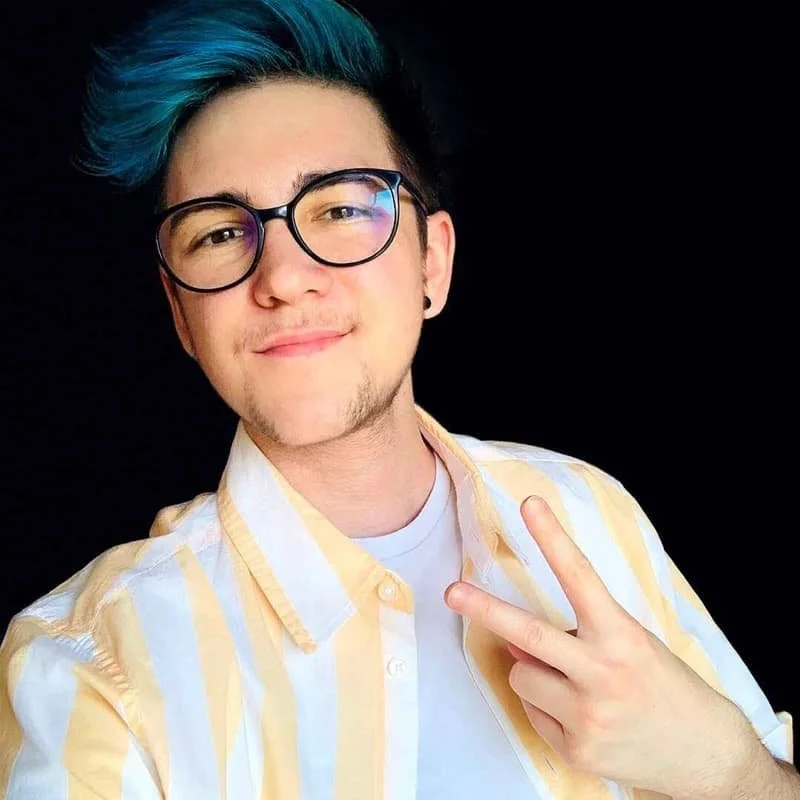
Image Source: Maverick/Mad Cave Studios
CS: Dozer, do you ever have that creative input to go back to the writer and suggest a box get moved around or to add something to the story?
Dozer: If the script is as good and thorough as Jasmine's are, I just do what’s in the script. It has happened to me before that I was struggling with the layout that was in the script. To keep things easy and readable, I was changing some little details, such as switching panels, or, if a certain shot is described, I changed that because I thought it would have a better impact on the story. The more detailed the scripts are, the better I can draw out the vision of the author. I've also had to work with the prose script, and those are really hard to do. With those scripts, you get so many revisions, because it's not what the author or the editor had envisioned. But I don't have the info from inside of their heads when it's not on the script, so it's just a trial and error until we get it right. I'm very thankful for getting scripts that are as detailed as they can be.
Jasmine: I don't want to imply that letterers and artists don't get to have input once the script is done. I know there are some writers out there who believe, ‘it's my script’, but I very much believe in collaborative storytelling. The script doesn't work unless everybody has a little bit of input in it. I'll send the script in, and while they shouldn't have to add anything to the script, the artist should never have to say, I'm going to have to change this. I am always open to anyone saying, "Hey, can I try this?" This might be better. This is why I like to talk to the team beforehand. If someone comes back to me and says, "This seems out of place", or "this layout doesn't seem like it's going to work". I try to trust this person. They're the artists. They know what they're doing; they're skilled in what they're doing. I don't want it to be the writer who makes a script, and everybody else is just fulfilling that.
We all work in our specific creative niches to make the best book possible. If I write a cool script, no one cares. It would just be a piece of paper with some typing on it; no one wants to read that. It's because Dozer has put in so much of their own influence into each of the characters and each of their body language that makes the story hit so emotionally. It doesn't matter how good my dialogue is if the art is really stiff.
CS: With this being a TTRPG story, do you play any TTRPGs?
Dozer: I actually started playing while working on the first comic. I’ve had a couple of friends who played, but I never really got into it. While I was working on Volume One, I got more and more interested in it, the dynamics [in Dungeons & Dragons], and I wanted to feel how it is to be in a game with friends. We made a little group of four people. We were all beginners, except for our DM, and it was really fun and really silly.
Jasmine: I started in high school. For a long time, I played D&D 3.5. I currently play Pathfinder. But anything where I'm going to be rolling dice and making characters sign me up. Actually, a lot of the goofiness and mishaps that happen in The Last Session are directly influenced by nonsense my tables got up to.
CS: Do you have a favorite character class? What do you usually play or are currently playing?
Dozer: I play a little Swamp Goblin. He has a pet dinosaur. We went through the rule book, and there was a Dimetrodon, so naturally, I needed that guy.
Jasmine: My favorite character class is Bard. They are the most versatile class. Coming up with songs while you can’t do much for the first three levels, but once you get into the groove of it, your party will be undefeatable.
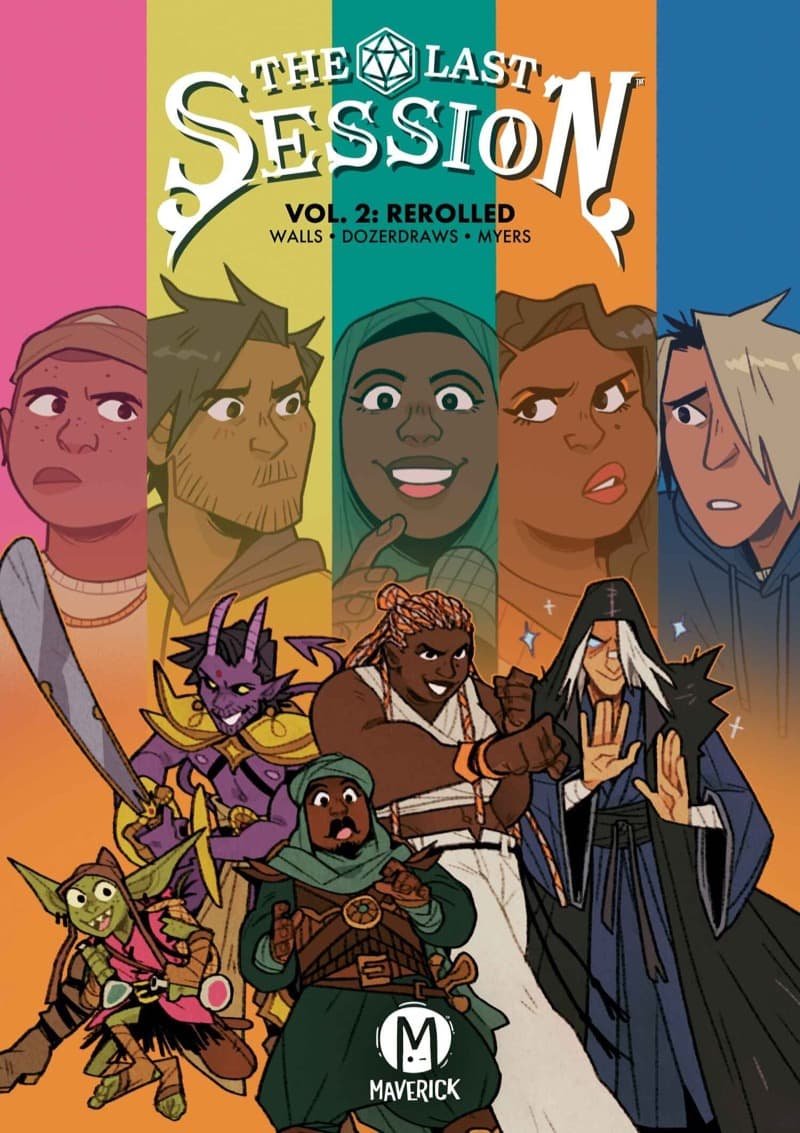
Image Source: Maverick/Mad Cave Studios
CS: You also have the second comic titled The Last Session, Vol II: Re-Rolled coming out in October. Are they connected in the same universe, or are they completely different?
Jasmine: It's set in the same world. You'll see glimpses of the previous cast. But I didn’t want the original cast because Volume One is The Last Session: Roll for Initiative, and it’s literally about a last session of D&D. That’d be weird. So I requested a new cast, and Mad Cave approved. The first book is very focused on the friends sitting around this table, and then at the end, they have a game that moves digitally because they've all separated to different locations. The next book is focused on people who've been living their lives online, who have to meet in person after a big rift in their friendship.
CS: Where can people find you? Dozer, do you sell artwork at all?
Dozer: I'm currently working on another project with Mad Cave Studios. I post on Instagram and Bluesky. My handle is littledozerbaby everywhere. I go to cons sometimes in and around Germany. I think I'm at two or three cons this year. That's where I'm selling some of my personal work. I used to have an online shop, but there are a bunch of new rules for selling from Germany, and I'm too busy to focus on that and update my shopfront. International people who want my art and my merchandise will have to be very patient with me until I have it all figured out.
Jasmine: I'm also on Bluesky. My handle pretty much everywhere is mythjae. But the only place that you will always see updates for new books and projects is my website jasminewalls.com.
We had the best time chatting and learning about this fantastic book! The Last Session, Vol I: Roll for Initiative releases June 3, 2025, and will be available where books and comics are sold! Be on the lookout for The Last Session, Vol II: Re-Rolled as well, which releases October 7, 2025.
READ NEXT:
Latest News
Featured


• All sizes are adult unisex
• Printed art on the front
• 100% cotton
• Pre-shrunk fabric
• Shoulder-to-shoulder taping
• Culture Slate Exclusive Design
See more products here