
‘IYANU: Child of Wonder’ - Interview With Creator Roye Okupe And Lion Forge Entertainment
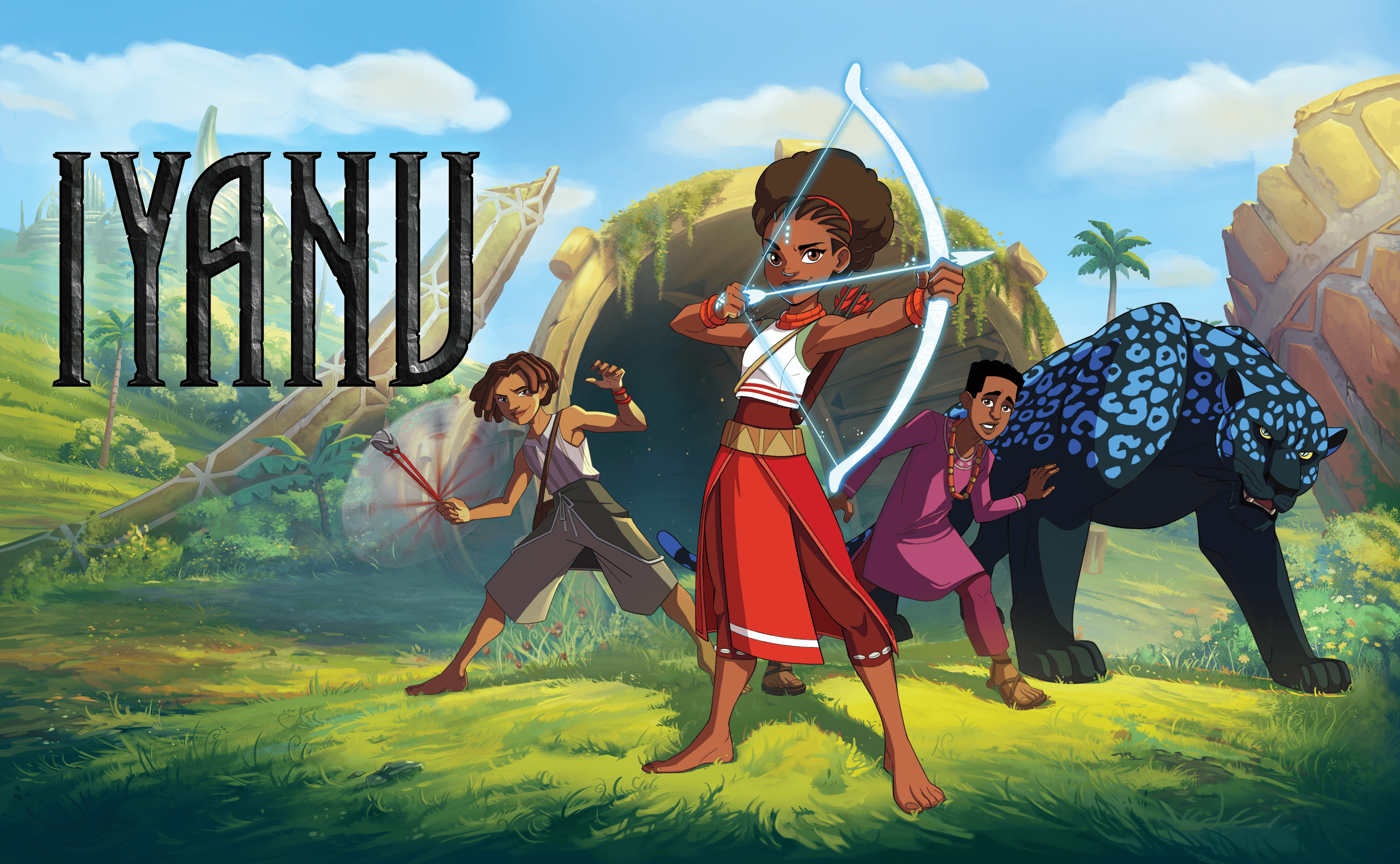
Image Source: Lion Forge Entertainment
CultureSlate had the privilege to be a part of a round table interview with Dave Steward II, CEO of Lion Forge Entertainment and Academy Award winning producer (Best Animated Short, Hair Love) and Roye Okupe, award winning Nigerian filmmaker, screenwriter, author and creator of the IYANU: Child of Wonder graphic novels, which is published through Dark Horse Comics. There are currently four volumes. Lion Forge produced a 2D animated TV series, based on IYANU: Child of Wonder that premiered on Cartoon Network on April 5, 2025, and the next day on Max. IYANU is an epic superhero tale steeped in Nigeria's rich culture, music, and mythology. Here are some of the insights that Dave and Roye gave about the creative process, the journey it’s taken, and what they hope people will take away from the story.
Question: What does it mean for you to not only have your story, but a story that showcases African history, culture, and mythology on a global platform, by Cartoon Network and Max?
ROYE: To me, it's a dream come true. I was born and raised in Lagos, Nigeria. I fell in love with every single animated series that you can imagine: Ninja Turtles, Batman, Superman, and Transformers. I'm a geek, just like Dave. It's very satisfying to be at this moment where I'm able to take all the inspiration from the stuff that I experienced growing up and then integrate it with my culture and produce that for a show that’s going to be on Cartoon Network and Max.
A lot of the credit goes to Lion Forge Entertainment. We talk about diversity. We talk about inclusion, but, for a lot of people, it's just words, and it's things that are nice to talk about. Lion Forge has been very supportive, not just financially, but even putting me in a leadership role and trusting me to be able to create something fantastic.
RELATED:
Question: How important do you think it is that we continue to tell these inspirational stories, with representation, to the masses and on a large scale?
DAVE: I think it's extremely important, especially with where we are with content. One of the unique things with this story in particular is it's one of the first times you're seeing African mythology put in to the broader sphere. We’ve gotten a lot of Greek mythology, Roman mythology, Norse mythology, and everything else, but not really much from the Continent. Being able to have that is extremely important. It's not only important for Africans [and] African Americans that see themselves in the content, it's also great for others as well, because I think everyone can learn something about Nigeria, Nigerian culture, and they'll find connection to that.
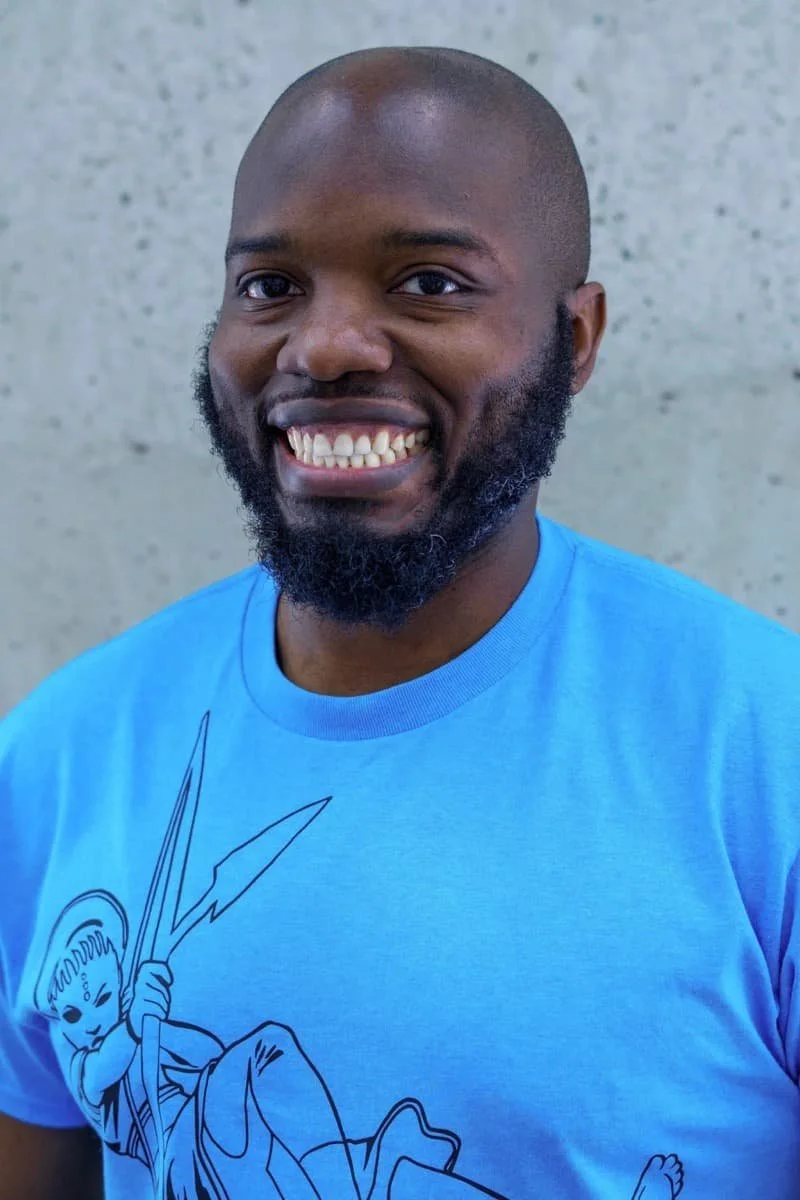
Image Source: Lion Forge Entertainment
Question: What was it like to craft this universe and decide on which Sci Fi aspects to incorporate from Nigerian mythology?
ROYE: It was fun. It was hard. It took way too long. We've been working on this for five years now, but I think for the most part, it feels very rewarding. I feel like I'm the luckiest guy in the world. I know it sounds cliché to say, but I truly do, because to be able to get to this point is a miracle. A lot of people pitch stories on a daily basis. It's a very small fraction of people who eventually even have it get out of development and into production and then airing on TV. People that look like me, people that come from the place that I come from, it's even more difficult.
I think it's a good time to be able to release something like this. In the world that we're in [we need] more stories like this that talk about empathy, about cooperation, that show kids how to come together, to express themselves, not necessarily be shy [but] to express their feelings, whether they're negative or positive, but at the same time, work towards a common goal, and then ultimately that light overcomes darkness.
Question: Can you talk about the importance of creating the series in a 2D animated style compared to other animated styles that we've seen?
ROYE: I fell in love with 2D first. Disney movies [were] huge influences on me. I don't think there are a lot of better art forms than 2D animation, in terms of just the way things end up being shown on screen. This is also hand drawn animation as well. That's an extra layer of anticipation in terms of what people can expect to see.
DAVE: I grew up in 80’s. That was the height of the animation. We had He Man and Transformers and Mask. There's a ton of 3D animation, and they do a good job with it, but there's something in it [2D] that really brings out the expressive heart. Especially if you look at the graphic novels, you'll see a congruency there between what he did there, from an artistic standpoint, and what we were able to achieve with the show that could not have been done in any other medium.
Question: What lessons do you hope viewers will take away from the show? What advice would you give children, especially those that face challenges, who hope to follow in your footsteps?
ROYE: That's a great question. Empathy is a huge part. It's one of the main things of our show. If you've read the books, you know very quickly that it's an action adventure/fantasy story that follows Iyanu who's journeying to the source to discover where her powers come from. The reason why she has to journey is because she's been exiled. [There is] a threat that we call The Corrupt [which is] wildlife that have been cursed with only one goal to destroy all of humanity.
Iyanu is faced with a very difficult choice, especially for a 14-year-old, who gets powers that rival the gods of land, and she has to decide whether she wants to use the powers for herself and for the betterment of just her and continue to think about herself. Or she uses the powers to save everyone, and everyone includes the people that don't agree with her, people that exiled her, the people that don't really care about whatever she's going through.
That is the mark of a true hero, is being able to have empathy for everybody, not just the people that like you and love you. For us as human beings, we become very siloed in terms of how we think about each other. It's about me and my family, and that's where it ends. We were created for community, to be with one another, to help one another, to extend love to one another as well. That's what empathy is about.
One of the things that I want, not just kids, but adults, to be able to take away from this is to be inspired by how Iyanu is able to use her powers for good and use her powers for everyone, including, the people that don't necessarily agree with her. It's a big lesson for us in the world today, where we can always take an extra step in having empathy for everyone.
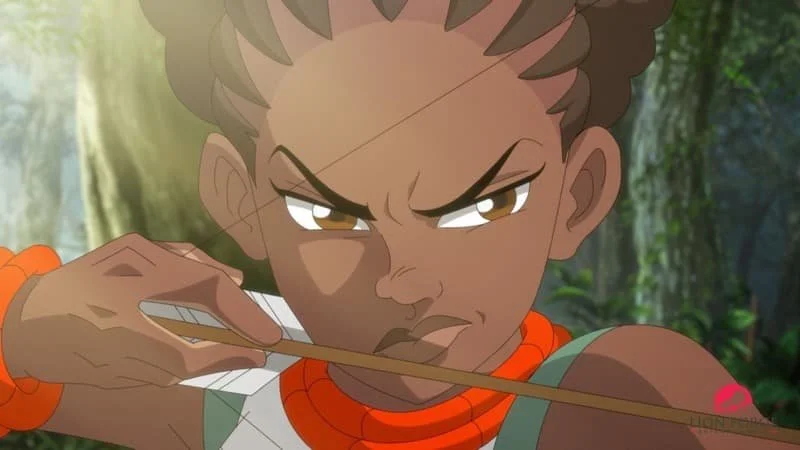
Image Source: X
Question: Roye, you once said that IYANU is a love letter to your daughter. What do you hope that other parents with kids can connect with [in] this show?
ROYE: First and foremost, I just want kids to have fun, because it's a very tough world we live in. They grow up so fast. Second, I want them to be inspired by our characters. Like I said, our characters, Iyanu obviously, [and also] Biyi [and] Toye, are very special characters that do very special things. These are characters that put the needs of others before the needs of themselves. I want kids to be inspired to see how our characters interact with their world and how they bring out their positive lights. I want kids to be able to go out in the real world and continue to spread their lights, spread their talents. You may not have magical abilities like Iyanu does. But I believe that everybody has a God-given gift that's meant to be expressed to the world.
CultureSlate: Since this is based on a graphic novel, the artwork is already there. What was it like transferring that style to screen?
ROYE: I'm a first-time showrunner. Our art director is a first-time art director, Godwin Akpan. He illustrated the first book, Volume One, of the graphic novel. We have a composer who is Nigerian as well. This is his first time composing. It's not easy to put these type of people in positions of leadership, because this is a very big project. It's a project that a lot is riding on but it just goes to show how committed Lion Forge Entertainment is to their mission, which is, ‘diverse stories authentically told’. They have put diversity, not just on the screen, but also behind it as well, and put people that are diverse, people that are culturally sensitive to the material, in positions of leadership. To me, it was actually easy, because I was surrounded with people that understood what it is and how important it was for this to be authentic.
I want to be very clear, this show is very authentic to Nigerian culture, but IYANU is for everybody. If you're a kid in Mexico or an adult in the UK or somebody from Australia or South Africa or Ghana or Nigeria or any part of North America [or] Europe, you would see yourself. Everybody can see a part of themselves in Iyanu and all of the other characters.
In terms of being able to adapt the book, it was easier than I thought it was going to be, and a lot of that was because I was surrounded with people that could help me lift what is a very heavy burden. I want Nigerians to watch this and be proud and that is a lot of pressure, but I think we did a fantastic job.
Question: What inspired the show's design aesthetic? Does it draw primarily from Nigerian design, or is it more Pan African, specifically Yoruba culture?
ROYE: Nigeria has three major tribes, Yoruba, Hausa-Fulani, and Igbo. There's 300 subdialects. There's a lot of diversity, even in the country itself. Specifically for us, Yoruba culture was key and]the main place where we're drawing the inspiration. We did go broader in terms of West Africa for some things. If you're familiar with Asante (Ashanti) culture, the Akan region, and the northern part of Africa, they have a few influences that we integrated in. But mainly this is from Nigeria and specifically Yoruba culture.
Question: How did you collaborate to ensure the animation style and pacing serve both mythological depth and the action-adventure elements?
DAVE: I think it worked well because we all got around a singular vision. Roye, being the creator, was a singular vision. We liked what we saw in the graphic novels. We wanted to make sure that we're getting the heart of what that was and translating that into the screen. And to support Roye, to be able to make sure that that vision is seen through that. Because every decision we're making, everything we're doing best served the story.
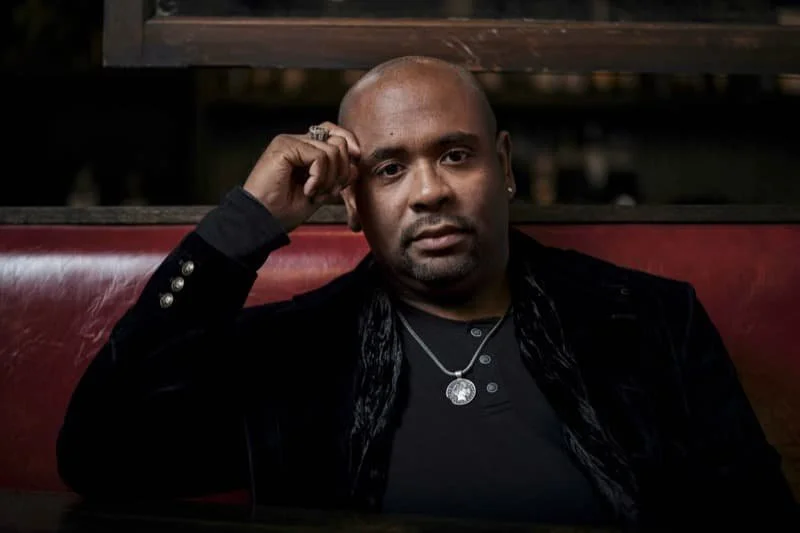
Image Source: Lion Forge Entertainment
Question: IYANU Beautifully blends elements of Yoruba mythology, superhero narratives, and it's distinctly Nigerian setting. Could you share more about the intentionality behind this fusion, beyond simply representation? How did you see this unique combination contributing to the themes and message of IYANU, and what impact do you hope it has on both the Nigerian and a global audience in terms of expanding their understanding of storytelling possibilities?
ROYE: It goes just beyond representation. Representation is very important, but at the core of what makes something like this successful is the story. I don't care how much you do with your representation, how beautiful it looks, if your story is busted, your show isn't going to go anywhere. For us, it wasn't necessarily about forcing anything, but naturally allowing the story to show us the parts of the culture that we wanted to display. I'll give you an example. We have two main fighting styles, one of them is Capoeira and the other one is Dambe boxing. When it came to the point where we wanted to have our characters using martial arts, it was very clear to us that we wanted to use something that was close to the Continent and that serves the story.
What are we doing to serve the story, as opposed to, what do we do to just check a box of representation or have things look pretty? That was not the thing that was important for us. I don't want to sound like representation is not important, or is not a key factor of what we're trying to do here. I think the bigger point I'm trying to make here is that for us, we don't just do it to do it. It has to make sense within the context of the story as well. When people get to see it, they will appreciate it more because it doesn't feel forced, it doesn't feel shoehorned, it feels natural in the context of the story.
People want to see things that are authentic. They don't want to see the things that they've seen over and over again. People want to experience different things. It's one of the reasons why, as human beings, we love to travel. We want to experience different cultures. We want to see how people interact, and for us, everything that we did in the show always tied back to Nigerian culture, from the food, to the outfits, to the way people talk, the mannerisms, the intonations, all of that is incorporated, in a way that serves the story and not the opposite way around.
Question: Was there anything you wanted to do differently from the comic in the show, particularly taking advantage of the animated medium, or was there anything you didn't get to do in the comic that you were able to do in the show?
ROYE: The comic book medium is a fantastic and beautiful way to absorb storytelling. It has its many advantages in terms of turning the page, taking your time to absorb [the story], reading the words, and going from panel to panel. Even putting together a comic book, not just the art of drawing it or writing it, but the way that the panels are arranged, is an art itself, and it's really beautiful when you do it the right way. But when you're going to animation where you're dealing with moving characters, speaking, talking, jumping, running, effects coming across the screen, music, it opens yourself to a whole new dimension.
One of the things that was very important was I really wanted to emphasize the action. Capoeira is one of the main martial arts that's in the book. Going from the books to the show, I wanted to make sure that we did right by the art form itself.
From a story perspective, we didn't do a lot differently, but there's a lot of very subtle changes. By the time you add them up, you get to see that the animation is its own thing as well. One example is simplifying some concepts. In the books, for instance, a story plot or a story beat could take 25 pages because you have time to do that in a graphic novel. But when you're dealing with 22 minute episodes, and you have to have an act one, act two, and act three, [you have] to have [a] story that syncs up at the end. There are certain things that we had to do quicker, and there are certain story points that may have taken five pages in the book, but now in the series that story point has been stretched across three episodes. Both are so good in their own ways. That's what's so incredible. The story still stays true.
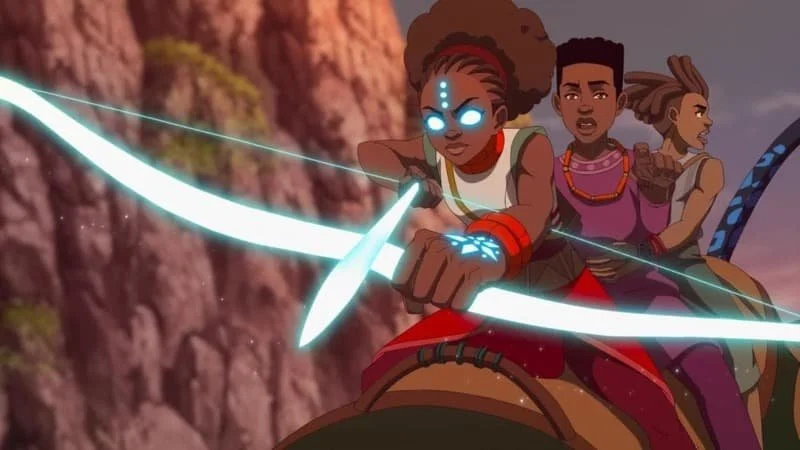
Image Source: IMDb
Question: What was the biggest challenge in producing IYANU, and how did Lion Forge approach bringing the world of Yorubaland to life from a company perspective?
DAVE: I think the biggest challenge, with any project, is finding the right initial partner, in this case, funding [and] initial distribution partners. When we [Roye and I] came together on this from that starting point, that development needed to be done before we ultimately got green lit. It's just a long process.
On the other side [is] finding all the right talent to bring to the table. Having the right people on the bus is extremely important, especially telling a story like this. I love the team. They did a phenomenal job. Everybody worked well together. You'll see that kind of love and caring for one another in the final product that's on screen.
From a business standpoint, there's always something that pops up. Every production is plagued with one thing or another, but ultimately, it's how you go through that process, and how you come together and go through that process. With this team, any time something has come up, it's really about rallying around one another and moving forward with it.
Question: What were the things that attracted Lion Forge Entertainment to IYANU as an animated series before deciding to produce it? Did you ever think you would make this into a live action?
DAVE: I think animation lends itself for more expressive opportunities especially dealing with something like this which has kind of fantastical powers. Some challenges of going into live action with certain types of content, sometimes it works, sometimes it doesn't, [and] sometimes it looks a little off. You have a little bit of suspension of reality, but when you actually bring it into reality, you have certain expectations. I think animation’s the best medium for it. But who knows what the future may hold?
Question: How did you come up with the cast, and was it intentional that most of them are Yoruba?
ROYE: Yes. For me [it] was a no-brainer. I explained to them [Lion Forge] that if we're going to do a show based on Nigerians, I want to have as many Nigerians doing the voices as possible. If we're going to really be talking about authenticity, then we need to take it all the way. We do have people from different tribes in Nigeria, even people outside of Nigeria, who also lent their voices as well, and we're very proud about the job that they did on show.
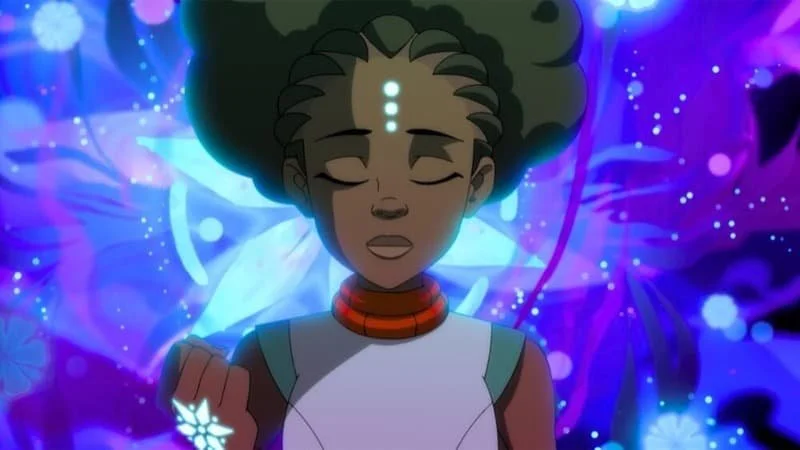
Image Source: Animation Magazine
Question: We've talked about things that had to change from the comic to the animated series, what were some of the core tenets that had to stay, no matter what.
ROYE: Obviously a lot of, if not all [of] the things that had to do with the cultural specificity. That was number one. Number two, things that make Iyanu special, her empathy, her ability to be able to forgive, things that are core to her character, who she is, how friendly she is. But also, even as a 14-year-old girl, someone that's not ashamed to express herself in terms of fear or anger or hurt or cry. For me, it was really the core of what made the characters. I didn't want that to change, because we all fell in love with these characters [and] how they all came together. It takes place in Yorubaland, and it's culturally authentic. It was about preserving the reason why I believe people loved the graphic novels and keeping those intact while we built upon that in the animated series.
Question: Is the final output, everything you wanted it to be?
ROYE: It's everything. I want to thank Dave. You guys will never know the amount of time and resources Dave personally has put into, not [only] making the show look as beautiful as it is, but also marketing the show as well, because that's an important aspect. You can have a beautiful show, but if nobody hears about it, nothing is going to be done about it.
IYANU: Child of Wonder is currently airing on Cartoon Network on Saturdays. Each episode comes out Sunday on Max. It is also available on DIRECTV, Sling TV, and Roku. There will be 15 episodes total.
There will be merchandise for the show coming, which is very exciting so keep a look out for some really neat things. You can also find the first four volumes of the graphic novel in bookstores and libraries. Come venture into the land of Nigerian fantastical culture and characters and experience a wonderfully fantastic story created by some amazingly talented creators.
READ NEXT:
Latest News
Featured


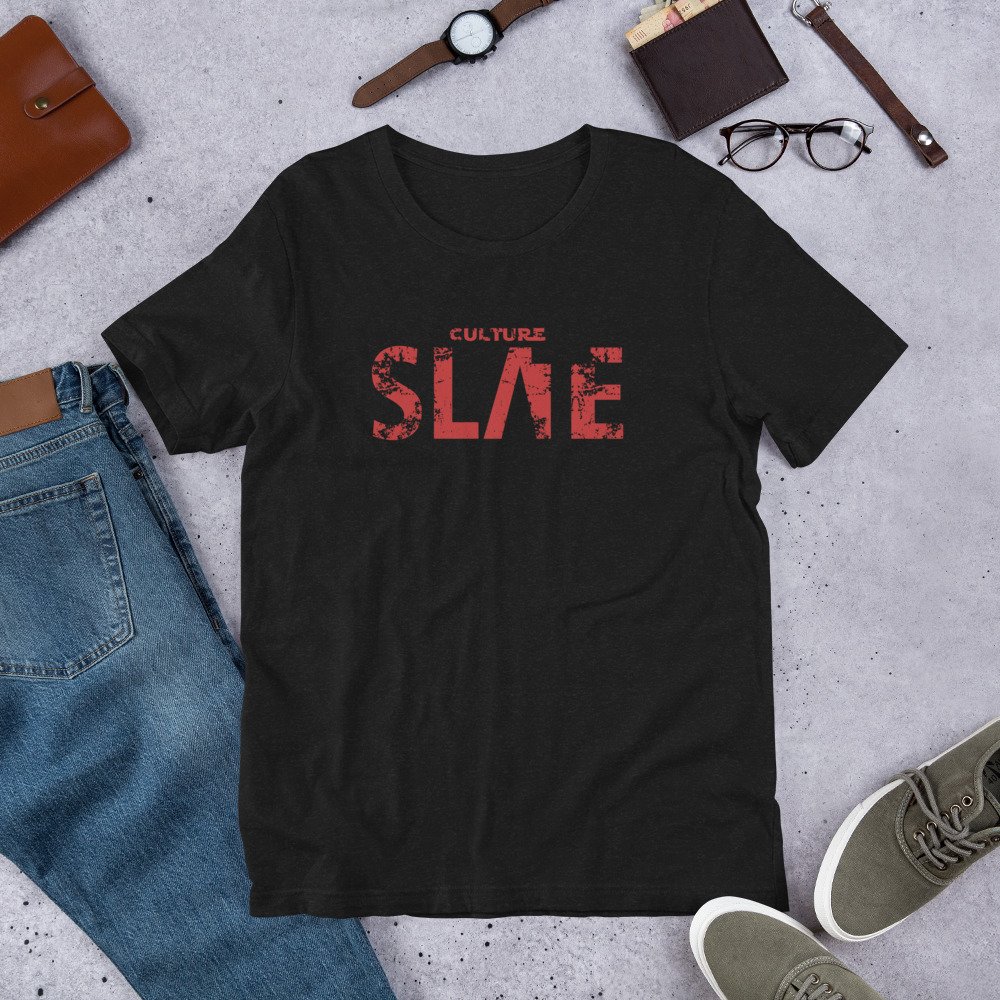
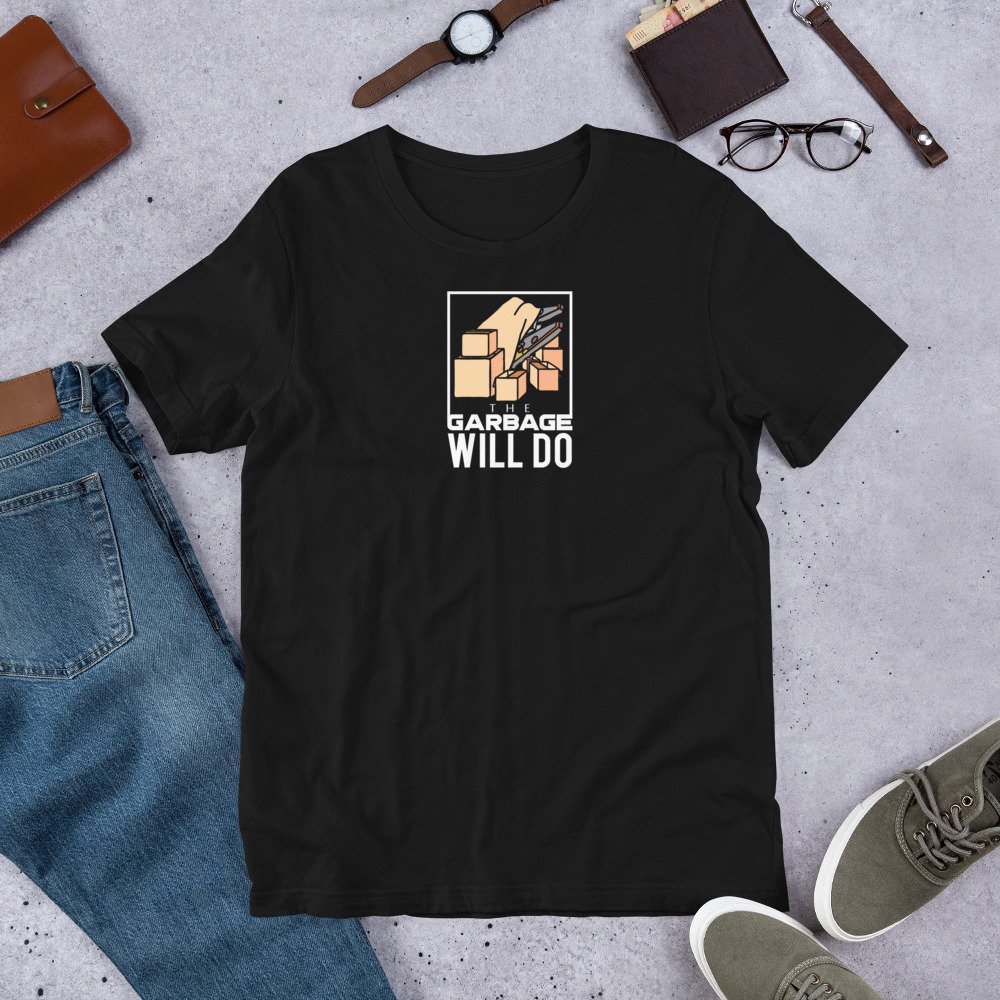

• All sizes are adult unisex
• Printed art on the front
• 100% cotton
• Pre-shrunk fabric
• Shoulder-to-shoulder taping
• Culture Slate Exclusive Design
See more products here