
Seven Mature Moments From 'Star Wars' Across The Past Decade
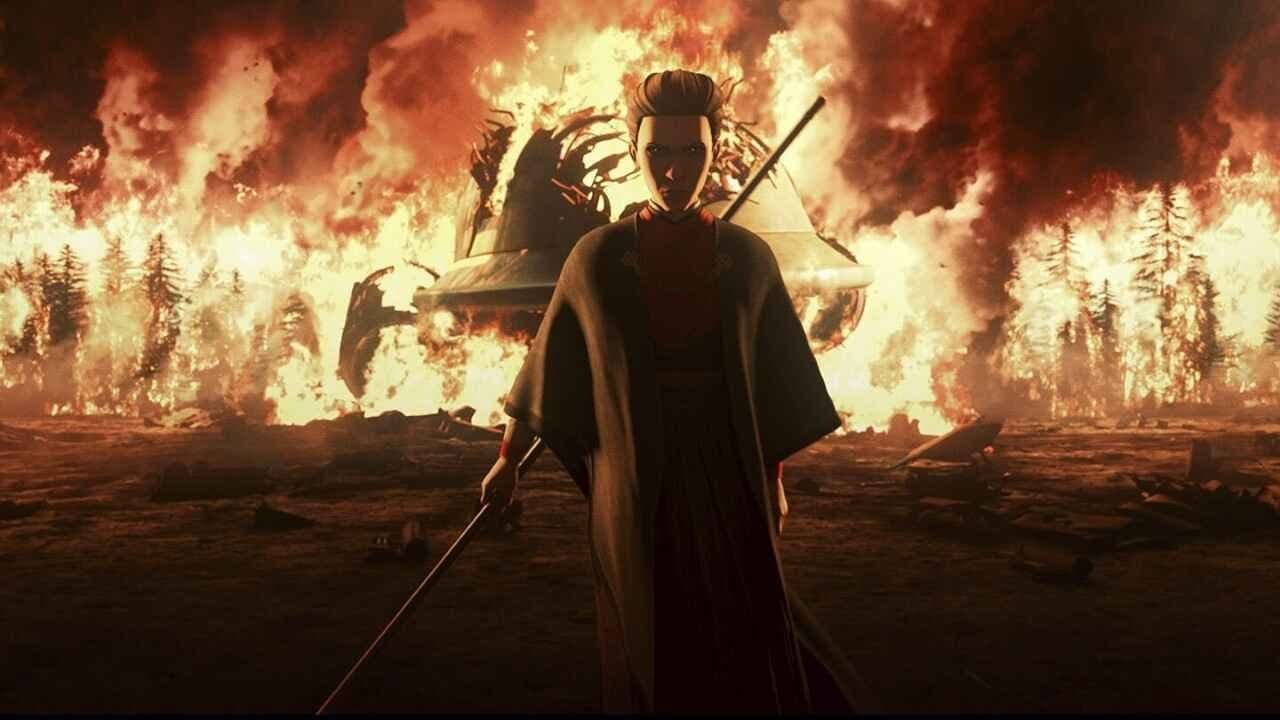
Image Source: StarWars.com
There has recently been a lot of discourse online regarding Andor and the maturity of Star Wars. Some have come to the conclusion that no other part of Star Wars under Disney has been this serious, this thought-provoking, this mature. This is a flawed conclusion, as just because Star Wars is not a constantly grim, realistic exploration of resistance to the strengthening of fascism, it doesn’t mean it doesn’t tackle notable topics in animation, video games, or other live-action shows. To prove this point, we’ll explore seven examples of maturity from Star Wars outside of Andor from recent years, and show that Andor has never had a monopoly on the concept.
7. 'The Mandalorian' Season 2 Episode 7 (Chapter 15) - "The Believer"
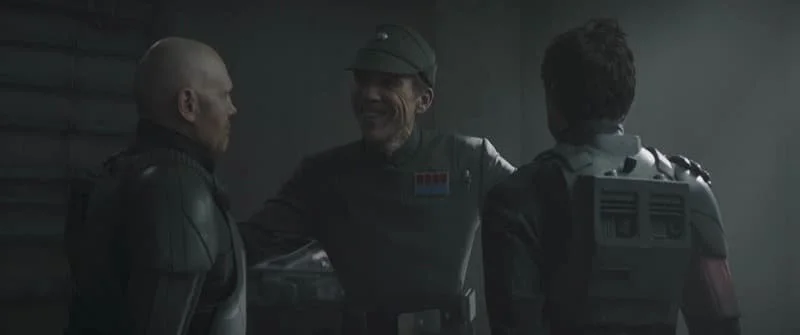
Image Source: StarWars.com
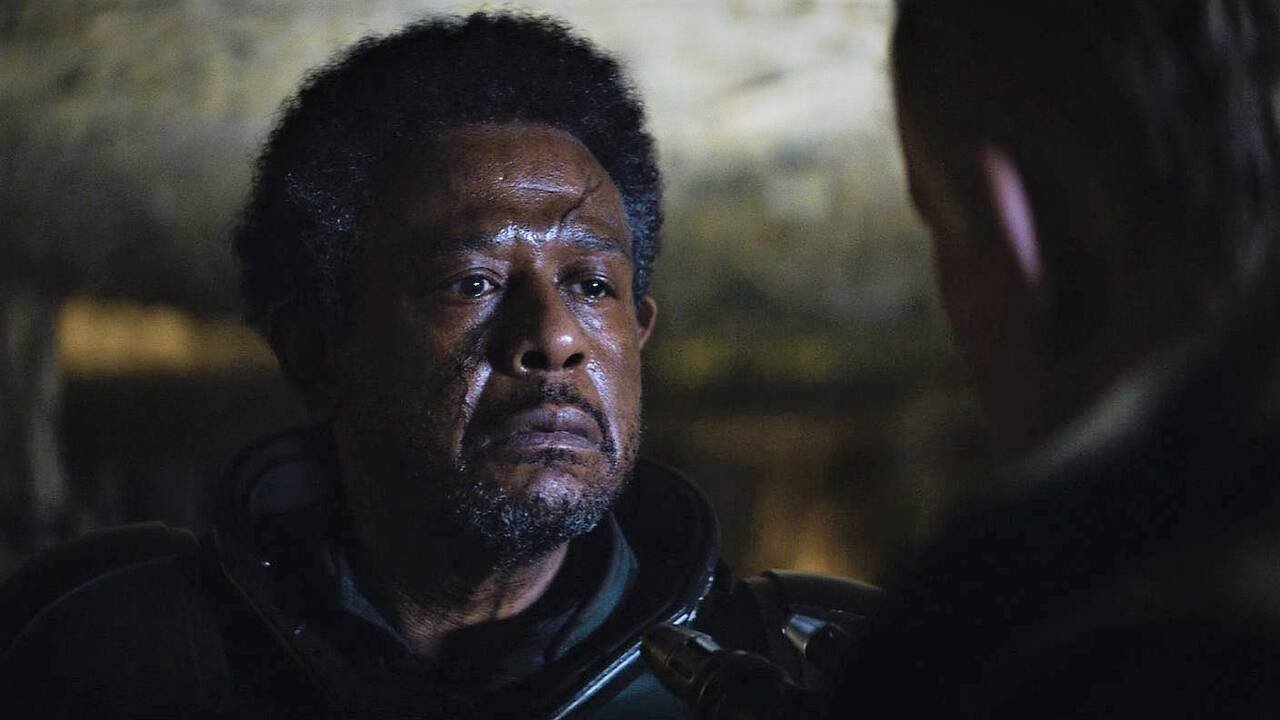
The Mandoverse has tackled dark moments across its spread of shows, and we’ll get to another of these in a minute. However, the topic for now is a moment that addresses PTSD, war crimes, extermination, and breaking cultural barriers: when Din Djarin and Migs Mayfeld enter that fateful officer’s lounge on Morak in The Mandalorian Season 2. Din, about to lose his opportunity to find Grogu as a computer terminal refuses to grant him access without a facial scan, pulls off his helmet to let the machine scan him.
RELATED:

He is breaking a deeply held belief of his society for the sake of another he cares for, but the act leaves him shivering, unable to effectively improvise when the two infiltrators are confronted by Mayfeld’s former commanding officer. His culture considers his offense punishable by banishment, only able to be undone if he completes an impossible quest, and with their people so few in the galaxy, it is the height of cruelty. They later dispense it without pause despite his wielding of the Darksaber, and we encourage fans to revisit this moment to see the toll it visibly takes on Din to be without his helmet.
But we aren’t done yet. Unable to escape the officer’s lounge due to their status as “heroes” to the base’s Imperials, Mayfeld’s old commander (who fortunately doesn’t recognize him) sits them all down for a drink. In the following conversation, we see Mayfeld’s discomfort come out, alongside his anger and horror at the events of Operation Cinder, all played without an ounce of comedy from a comedian. We meet a man who relished the slaughter at Burnin Konn, and another who is haunted by it. Operation Cinder was the destruction of cities, whole worlds, though all manner of awful means, and it was an extermination that struck even loyal Imperials either on purpose or simply as collateral damage. Mayfeld, unable to bear interactions with this unrepentant man any further, suddenly shoots the officer dead, blowing the cover of the mission in a moment guided by deep trauma. He might not be Syril Karn, but Migs Mayfeld is still someone who believed in and followed the Empire only to have that loyalty shattered. He was left with very little, but the training they gave him, which he used to help himself and Din Djarin escape.
6. 'The Book Of Boba Fett' Season 1 Episode 5 - "Return Of The Mandalorian"
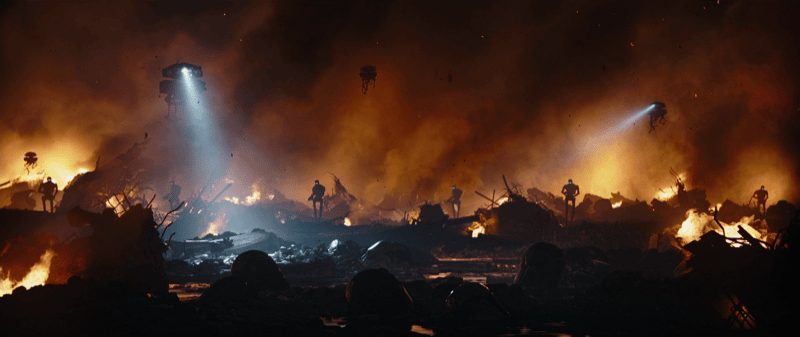
Image Source: Wookieepedia
Speaking of the rest of the Mandoverse, The Book of Boba Fett gave us a detailed look at the Night of a Thousand Tears when the main Boba Fett plot cut away to focus on the exploits of Din Djarin. Finding Paz Vizsla and the Armorer, they are seemingly the only three Mandalorians left of their original covert. After the two other Mandalorians catch up with Din’s recent exploits, the Armorer creates a gift for Grogu. But, as she does so, she speaks of the Night. We then see it visualized in the form of a flashback sequence, and it is a nuclear holocaust.
Such a term is not used lightly but instead fits well with the many connections fans have made between the Mandalorians and the Jewish people of our real world. The Empire’s war on Mandalore, against an insurrection led by Bo-Katan Kryze, ended when they dropped nuclear bombs on the already scarred surface of Mandalore and the world’s domed cities. As the fires burned and the radiation boiled, Imperial forces were sent across the wasteland to exterminate the survivors. This was a brutal annihilation of the Mandalorian people, a slaughter, and it is delivered to us in stark, haunting visuals that have stuck with the fanbase ever since, despite the mixed reception The Book of Boba Fett received. It does not have a down-on-the-ground, up close and personal story about what happened when the bombs fell, but it is still just as effective and a potent symbol of the Empire’s evil. It shows the horror of nuclear warfare in a way millions across the world still fear to this day, especially if they live in more tense regions of the globe.
5. 'Skeleton Crew' Season 1 Episodes 7 And 8 - "We’re Gonna Be In So Much Trouble" And "The Real Good Guys"
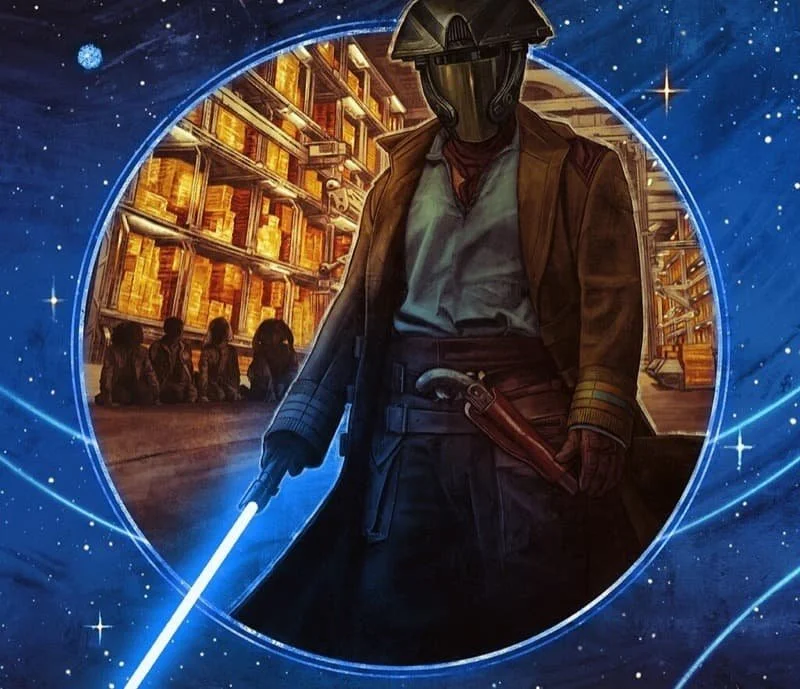
Image Source: StarWars.com
Skeleton Crew was, unfortunately, a show widely written off by many as something for kids, and doesn’t seem likely to be getting a new season ordered in the coming months. But, despite its main cast being kids, the plot they became involved with was something full of adventure, mystery, and danger. The final two episodes in particular underscore this, especially because of the actions of Jod Na Nawood, once a friend to the kids, who becomes their foe. His menace and brutality are revealed in just how he treats all four kids, holding them at lightsaber point on the floor of the ship called the Onyx Cinder as he berates them. Later, he makes sure they go into house arrest with their parents, keeping the kids from telling the adults about his true plans with threats to kill them all if his rule is broken.
These intense moments of hostage taking are one thing, but we also explore Jod’s trauma in the final episode as he finally tells his own childhood story. Without anyone in the world to rely on, a Jedi found and trained Jod in the ways of the Force, only for him to watch her die in front of him when presumably the Inquisitors turned up in pursuit of her. These episodes also firmly establish the trauma he is putting the kids through with his extremely menacing moments, both here and in previous episodes, after his turn against them. He isn’t a Doctor Gorst, but he is a visceral, angry, and maliciously charismatic villain when he needs to get the job done.
4. 'The Bad Batch'
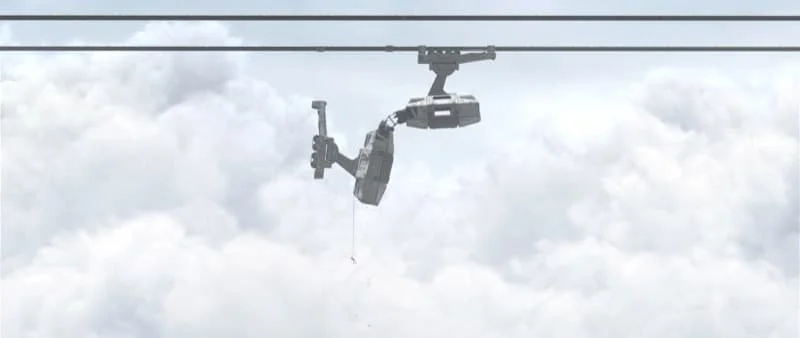
Image Source: StarWars.com
The Bad Batch, much like The Clone Wars, is a show with a mix of tones, but due to its shorter run and era of the timeline it covers, it is a great deal more serious. It would take separate articles to break down each element this show tackles, but we’ll start with one of the most impactful: a main character dies. With a key mission having gone wrong and his team in an impossible situation, the Batch’s resident genius, named Tech, gives his life to ensure the rest of the squad makes it out alive. He is successful, though the villainous Doctor Hemlock later gloats about his death to other Batch members, Hunter, and Wrecker. This tragic event, and his loss, is sure to hurt all the more when we get the upcoming The Bad Batch novel set shortly before this episode, but that isn’t the only mature and serious moment in the series.
The Bad Batch tackles topics such as false imprisonment, corruption, child labor, unjust invasion, assassination, mutilation, experimentation on living beings, torture, autonomy of the individual, and human rights, often doing so with a serious tone and only small moments of levity. It also explores the subject of military atrocities, as the Kaminoans are made nearly extinct by the Empire in a deliberate targeting of their cities by the Imperial Navy after critical assets and resources were extracted for use by Palpatine and others. The Bad Batch tries to bring the truth to light, but even when they do so, Palpatine is still able to use the event to his advantage, throwing a military leader under the bus and pushing through a vote on his new project: The Imperial Stormtrooper. Yes, The Bad Batch has its comedic moments, its stranger or sillier episodes, but even by the end of Season 1, the show has addressed many serious issues and continues to over the following two seasons.
3. 'Jedi: Fallen Order'
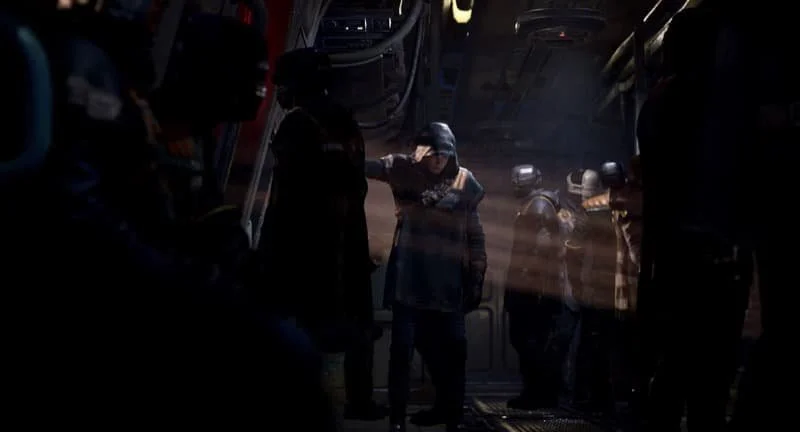
Image Source: StarWars.com
The Star Wars video game release schedule has been a slow one, but we are being treated to one story roughly every 1-2 years. Following the 2010s Battlefront duology, the next major Star Wars game to release was Star Wars: Jedi: Fallen Order, and man, does it tackle a lot. With a gripping and fun story featuring personal stakes for Cal Kestis, a former Jedi Padawan, alongside former Jedi Master Cere Junda, pilot Greez Dritus, and later, the Nightsister Merrin, some may be forgiven for forgetting or not realizing the serious topics the game does tackle.
One of the most significant is around Cal’s childhood trauma of Order 66. In a handful of minutes, he was suddenly forced to flee from once-friendly and kind Clone Troopers and watch as his Master gave his life for him, something Cal attributed to his failures as a Jedi that left him with lasting scars, likely best described as PTSD. We play through that experience in the game, and it is heart-wrenching.
Cere Junda also has trauma, to the point she’s cut herself off from the Force. After she was captured while on the run and tortured by the Inquisitorius, she broke and betrayed where her Padawan and several Younglings were hidden, leading to her Padawan’s torture and the likely death of those Younglings. Additionally, serious topics like persecution, brief mentions of torture seperate from Cere’s experience, and genocide make themselves known in Fallen Order, contributing to an excellent first game in a planned trilogy and plenty of serious moments across the game’s runtime.
2. 'The Acolyte’ Season 1 Episodes 3 And 7 - "Destiny" And "Choice"

Image Source: StarWars.com
While The Acolyte is unfortunately unlikely to continue on the small screen, it cannot be said that the show did not tackle a number of serious issues. Episodes 3 and 7 of the series, which each tell half of the story involving the Brendok witch coven and the arrival of the Jedi, are where much of the serious discussion takes place. These two episodes explore topics such as issues with individuality and personhood, family tension and conflict, the rights of the parent against those of the state, discrimination and bias, as well as religious conflict, without much in the way of comedy or lighthearted moments, given the nature of the events that play out.
Many of these elements come into play with Osha and Mae, who are children at this time, adding a further layer of tragedy and trauma due to the terrible events of that evening that see them separated, and almost every witch in the coven killed. These same events lead to Osha’s explosion of anger and resentment against her former Master, and the man who killed her mother, Sol, when truths of that evening come to light. This event sees her bleed a kyber crystal, which fans of Star Wars canon know is a traumatic process that involves the individual pouring their grief and rage into the living crystal, hurting it as they have been hurt. It may not have the complex back-and-forth dialogue of Andor, but there is still serious discussion and commentary made with these episodes on all of the aforementioned issues.
1. ’Tales Of The Empire' Episodes 1 And 5 - "Path Of Fear" And "Realization"
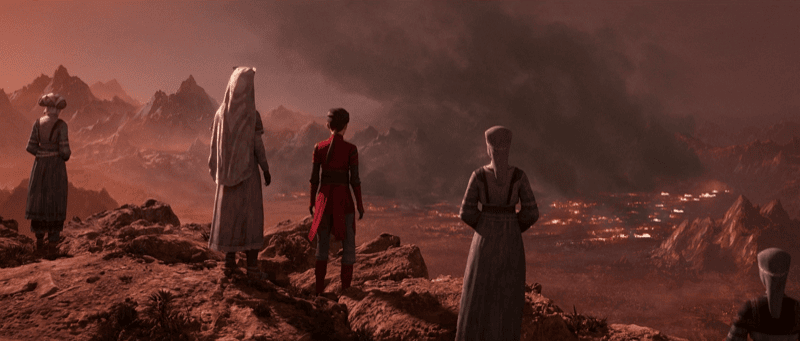
Image Source: Wookieepedia
The Tales of series has been running strong for a few years now, with the third entry, Tales of the Underworld, providing us with an exploration of a resurrected Asajj Ventress and the backstory of Cad Bane. Tales of the Empire, meanwhile, gave us an examination of both Morgan Elsbeth from The Mandalorian and Ahsoka, alongside finally giving us some answers about Barriss Offee from The Clone Wars. Episodes 1 and 5 of this show, though, give us particularly powerful and mature moments in the journeys of both of these characters.
First, for Morgan Elsbeth, we are giving a very up close look at the massacre of the Nightsisters. Previously depicted in The Clone Wars, the fighting we see in Path of Fear zooms in to see the brutality of the droids and the cackling cruelty of General Grievous. This is a genocide, even if that term is not used on screen. When Morgan next sees her home after collapsing from exhaustion after fleeing the murderous droids, it is ablaze. The music plays a key role in highlighting the tragedy of the massacre, and then of Morgan looking out over the scorched and devastated landscape that was once her people’s home. She is permanently remade by this horrific event, and we can understand her motivations both through the other episodes of the series and through her appearances in the Mandoverse.
Then there is Barriss Offee. Becoming an Inquisitor after Order 66 and the rise of the Empire, Barriss is convinced by the ideals of the Imperial mission, though this new conviction is put to the test in Realization. On the hunt for a Jedi, she and Lyn, the Fourth Sister, come to a rural, ruined town on a rustic world. Where Barriss tries to compel by argument and logic, Lyn resorts to pure aggression, and then butchery, when she learns the townspeople lied to her. Barriss is forced to witness this slaughter of over a dozen people, and shields the eyes of the child she coaxed the truth out of. Later, when the two finally do find the Jedi, we have a moment that is an extremely important message for Star Wars and the real world. The Jedi is presented in a genderqueer way, with their voice actor responding to any pronoun, and would suggest this character is unique in the history of Star Wars animation. Exhausted from running and fighting, from their constant persecution, they are defended from Lyn by Barriss, who then goes and cradles the injured Jedi. She proclaims she’ll protect them and they will not die, as the music soars. This moment of deep compassion for an ostracized individual hits hard, and provides a heavy contrast with the tragedy earlier on in the episode, while it also delivers its message with poignant words.
READ NEXT:
Latest News

Featured





• All sizes are adult unisex
• Printed art on the front
• 100% cotton
• Pre-shrunk fabric
• Shoulder-to-shoulder taping
• Culture Slate Exclusive Design
See more products here