
To Be Or Not To Be A Multiverse
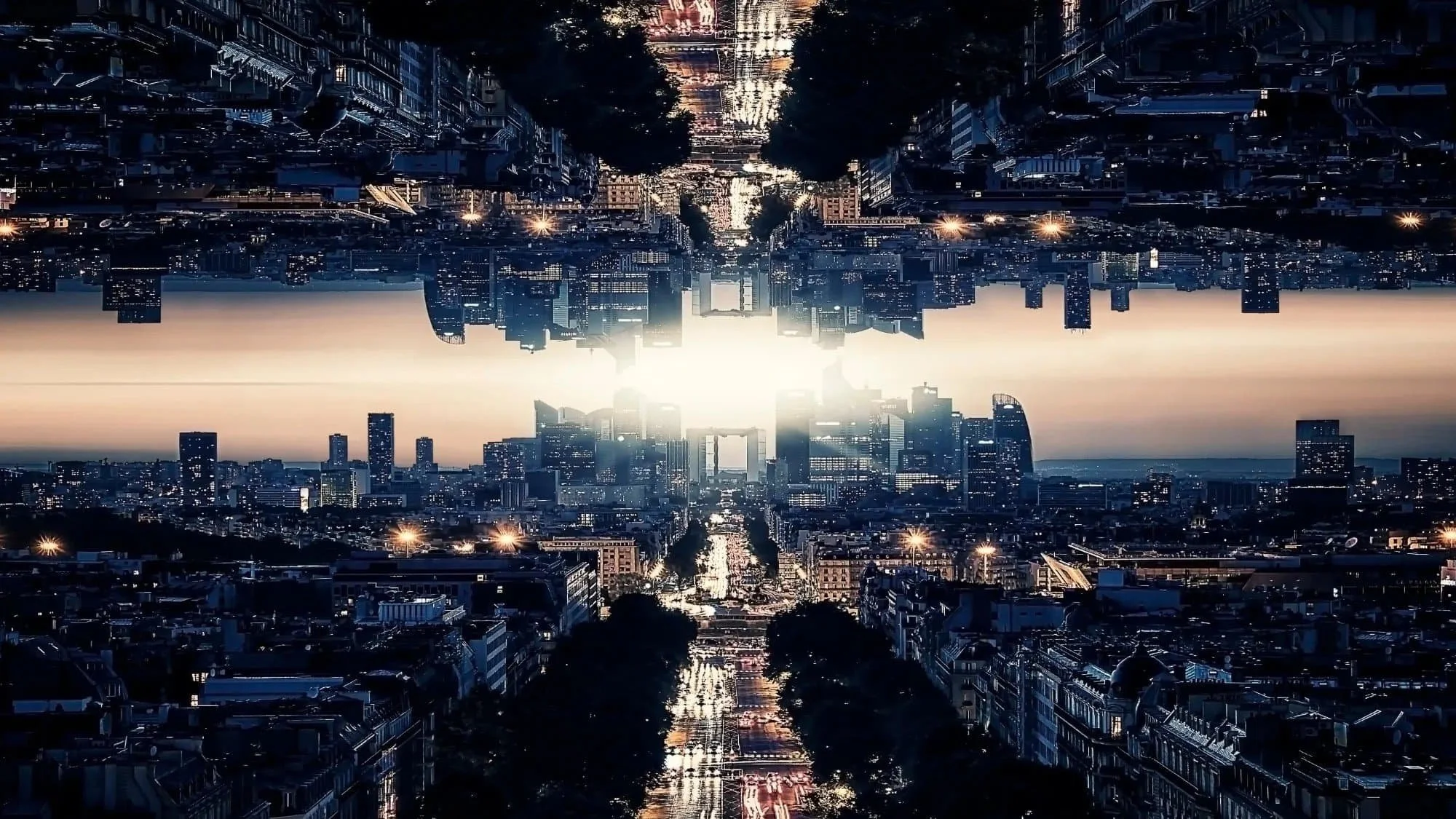
Image Source: Vice
To whoever is reading this now, this is the real world. The Earth is the only known inhabited planet in the universe. Stretching out beyond the solar system, there are many galaxies of clustered stars inside a single universe. A universe is anything that can be physically reached. This universe exists as a single dimension. Earth has many religions and works of fiction that talk about what is beyond the observable universe. Still, they are stories shared by humans of planet Earth that exist in a singular dimension of existence.
A multiverse is the idea that many universes may or may not interrelate. Some theorize that every person who has or ever will exist has an alternative self in another universe. Statistically speaking, there is a universe where any person who made great sacrifices is an evil dictator, or in another universe where one’s career dreams are surprisingly effortless to achieve.
RELATED:
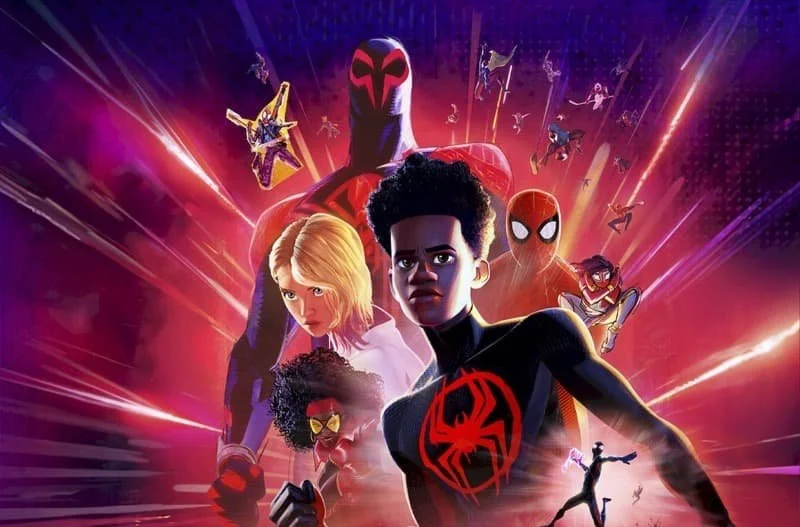
Image Source: Netflix
What that means for storytelling is that the multiverse combines theoretical science and high-concept art. The multiverse genre has grown in popularity over the last decade, with the release of works like Spider-Man: Into the Spider-Verse and Everything Everywhere All at Once. It is most popular within the modern superhero fandom, but has persisted as long as the ancients shared mythology to explain the mysteries of the world. For example, ancient Greeks may live in Athens or Sparta or Mycenae; their gods live in a place no living man can reach: Mount Olympus. The humanity of ancient Norway believed their world exists in Midgard, one of nine realms attached to the World Tree of Yggdrasil, where characters like Loki and locations like Asgard exist. The sharing of these myths paved the way for adaptations, such as Christopher Nolan’s The Odyssey and the comic book Thor series by Marvel.
But there are discrepancies. Humanity came up with stories about both Lightning Gods, the Thor who died in the realm-ending Battle of Ragnarök and the Marvel Cinematic Universe Thor who survived Ragnarok for the coming of Thanos. Both these Thors cannot interact because that would cause a paradox of previous events that determine precisely who they are as individuals. If ancient Thor were to be transplanted into the MCU, he would not have his iconic death where an uncombatable warrior-god dies by a giant snake’s venom during the Last Battle before the cosmos reshapes. If he survived, there would not be the dramatic irony of how he dies, which sheds so much perspective on the nature of power.
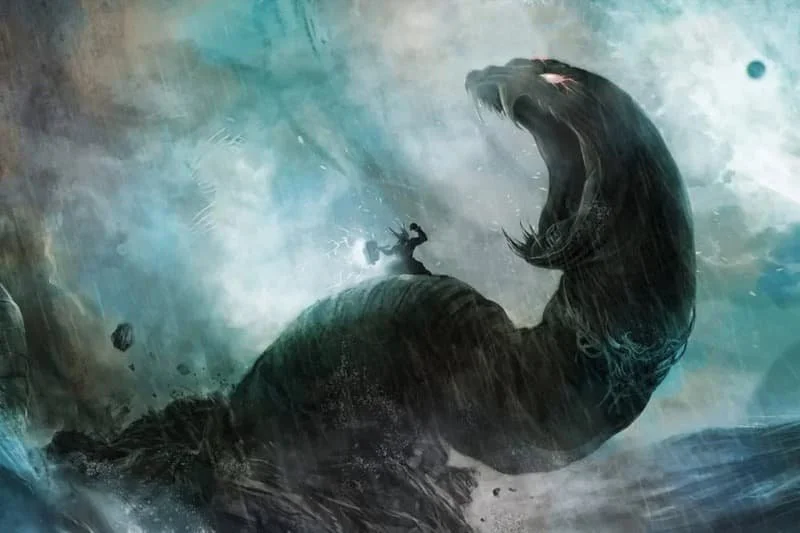
Image Source: Epic Loot Shop
What happens when a real-world artist comes up with an original story is that they are inventing a pocket universe for characters to settle conflict. The artist may bring ideas and lessons from preexisting media—often trends and unconscious observations of stuff that has worked before—but their Story World is like a universe all its own, complete with rules and limitations. A writer can write a story about an author who is attacked by monster characters who crawl out of his book in the dead of night, which has a meta effect for the reader. That does not mean those monster characters can attack anyone in the real world.
Everything conceptualized within a Story World has its own physics, backstory, tone, and style that can be categorized into a genre of fiction. The more differentiating the Story World has to reality, the more likely it falls under the fantasy or sci-fi genre. A Story World is a universe separate from its creator, the writer from the real world. In that sense, writers commit the sin of playing god, but in a socially permissible way. A writer can insert a person who has truly existed, say President FDR, into a piece of World War II historical fiction. That does not mean the historical FDR committed the actions that the writer’s FDR commits because the writer’s FDR exists in their own parallel universe where many of the events and references have historically taken place… just not all of them.
To make matters on how the multiverse relates to fiction more convoluted is the fact there are Story Worlds where characters break into another dimension. They could discover a hypnotizing doorway, bonk their head, trip into a rabbit hole, or wake up in bed. One way or another, that protagonist starts off in their dimension yet continues the story in a whole other universe.
Does that break the theory that a Story World is its own separate universe? No. It confirms that within one human’s imagination there exists the epic expanse of them.
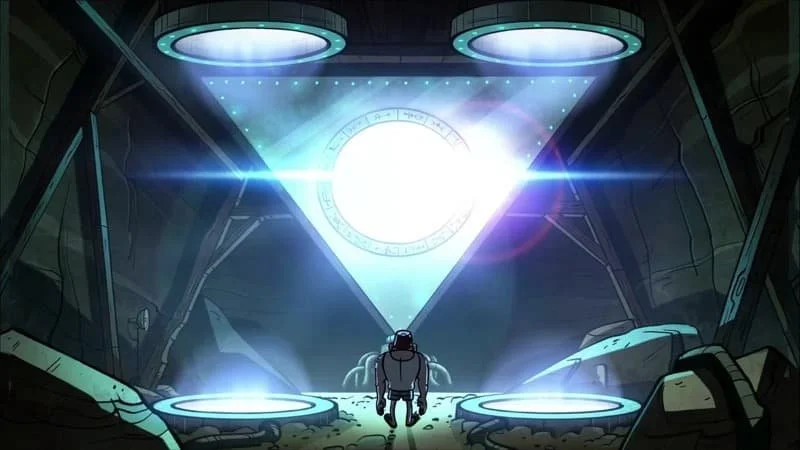
Image Source: Gravity Falls Fandom
The quickest way to understand these types of fiction is to categorize them into subgenres. There are four, but within these four are diverse examples found throughout human history, taking on many different forms of art:
1. Isekai
2. Time Travel
3. Alternate World
4. Secondary World
Isekai
This is where someone gets trapped in “another world.” They must find a way back home or accept their new reality. Being a fish out of water, they realize the difference between their old life and their new struggles straightaway. Sometimes their skills and dreams conform immaculately to this brave new world (until the villain disrupts matters), but other times this new world is set out to destroy the protagonist, and they must grow in character if they are to find a way out. Despite Isekai being a Japanese word, the genre defines many pieces of Western media, classic and modern.
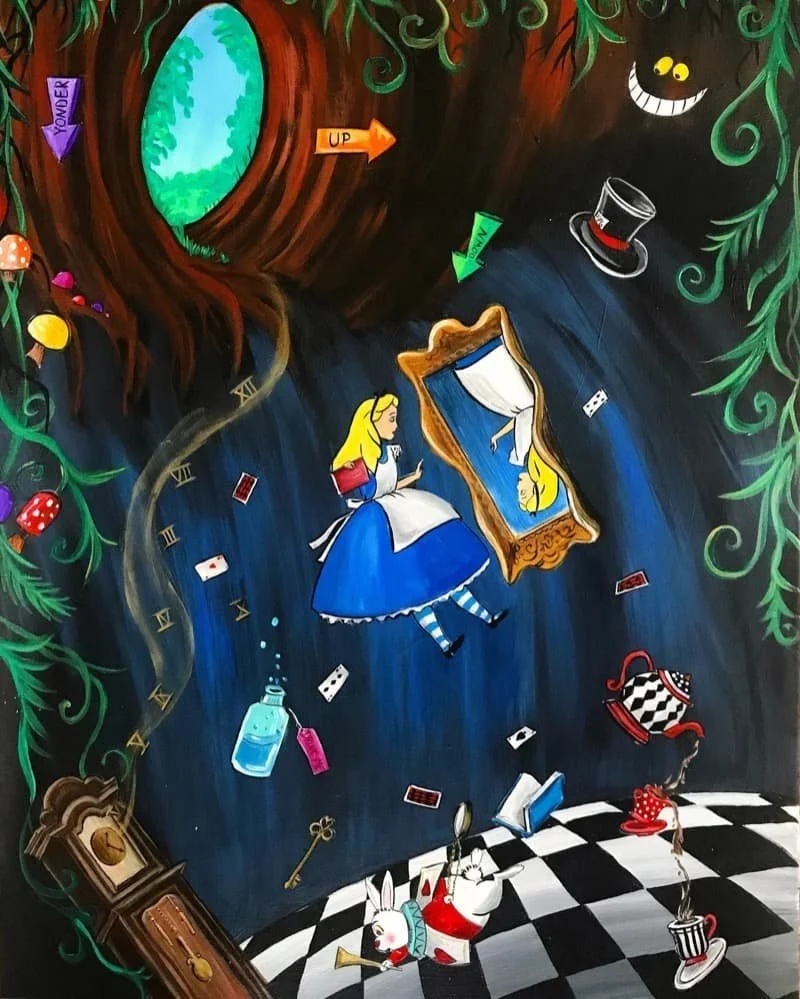
Image Source: Etsy
Examples:
a) Alice’s Adventures in Wonderland—A restless young British girl who refuses propriety falls into a nonsensical wonderland of anthropomorphic characters who question her sanity and self-worth.
b) The Wizard of Oz—A Kansas farmgirl is spirited away by a tornado into a fantasy world where a Wicked Witch hounds her every move over the possession of magic Ruby Slippers, until the farmgirl learns “there’s no place like home.”
c) Sword Art Online—Gamers are unable to log off a virtual reality Mass Multiplayer Online where any avatar who loses all health points will be electrocuted to death in their real world. This anime blurs the stakes between what is life and what is death.
Other examples include Sonny Boy, Peter Pan, and The Chronicles of Narnia
Secondary World
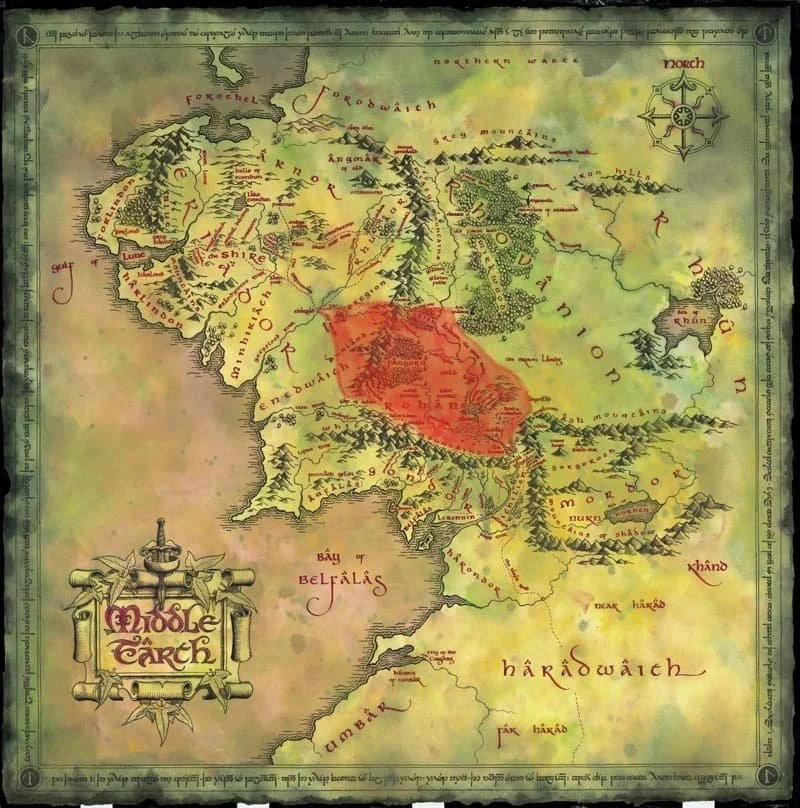
Image Source: LOTR Fandom
A secondary worldis a fictional universe that is separate from the real world, one where its characters cannot interact with anyone from Earth. This makes it the opposite of an Isekai. These mapped-out worlds have a geography, history, and culture separate from our own. It is populated by characters who only know of their universe and will not be stepping into another over the course of their lives.
Examples:
a) Star Wars—Although it takes place “a long time ago in a galaxy far, far away,” and is populated mainly by humans, there is no planet Earth. History revolves around a spiritual energy known as the Force and the constant clash between good and evil.
b) The Lord of the Rings—Although resembling Medieval Romanticism with goblins and wizards, Middle-earth’s ancient history of Men is not the same as ours. They live on a richly detailed continent that is the author’s own imagination.
c) Avatar: The Last Airbender—Uses Eastern spirituality and cultural touchstones like reincarnation and chakras but is still its own world where history is determined by those who can Bend the elements of Water, Earth, Fire, or Air. Only one being can Bend all four, and this Avatar serves as a crisis mitigator between the civilized and natural world.
Other examples include A Song of Ice and Fire, Earthsea, and Fullmetal Alchemist
Fantasies often fall into one of these two categories. Other two subgenres that often relate to Isekai are Alternate Universe and Time Travel.
Time Travel
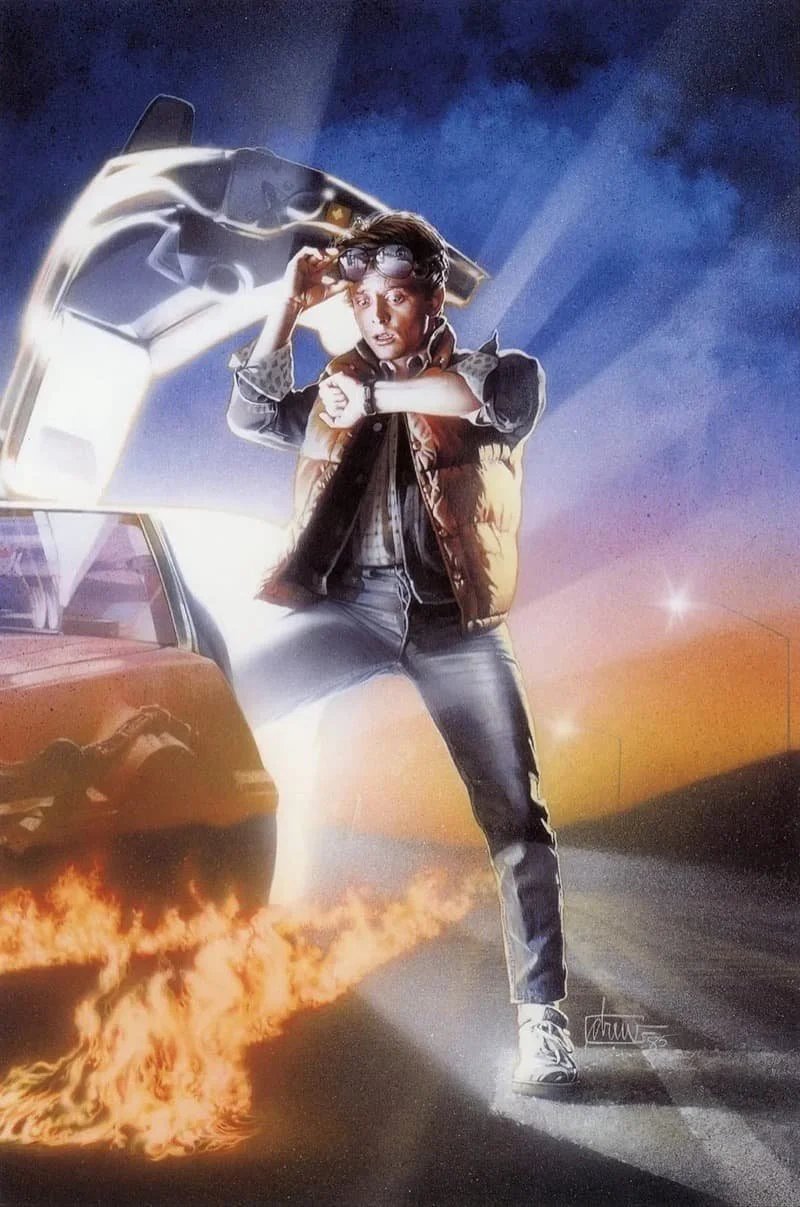
Image Source: Indieground
This is what happens when characters go to the past or future, accidentally or purposefully changing the course of history. In that sense, it is an Isekai of when not where. Time paradoxes are a powerful stake because if certain events are changed in the past, people or norms the protagonist cherishes may cease to exist in the future. It comes with the lesson that anyone and everyone has the power to influence their own time period. Whether it be a contraption, portal, or falling asleep, somebody simple gains a kind of omnipotence.
Examples:
a) Back to the Future—A teenage boy and his mad scientist mentor use a time machine automobile to adjust the course of events within their lifetimes, only to escalate matters. There is only one timeline, but it is one that the characters can edit, even if it threatens a domino effect of unintended consequences.
b) Groundhog Day—A depressed weatherman is forced to relive the same day every day his alarm clock wakes him up to the song “I Got You Babe” by Sonny & Cher. He is stuck in a time loop until he learns to accept the nuances of everyday life and realizes he always had the power to be happy.
c) A Connecticut Yankee in King Arthur’s Court—After a blow to the head, an American from the 19th century wakes up to find he inexplicably traveled to King Arthur’s 6th century England. With the power of foresight, this grumbling transplant claims authority and reverse-colonizes the kingdom, only to relive the Fall of Camelot regardless.
Other examples include Avengers: Endgame, Steins;Gate, and Outlander
Alternate Universe
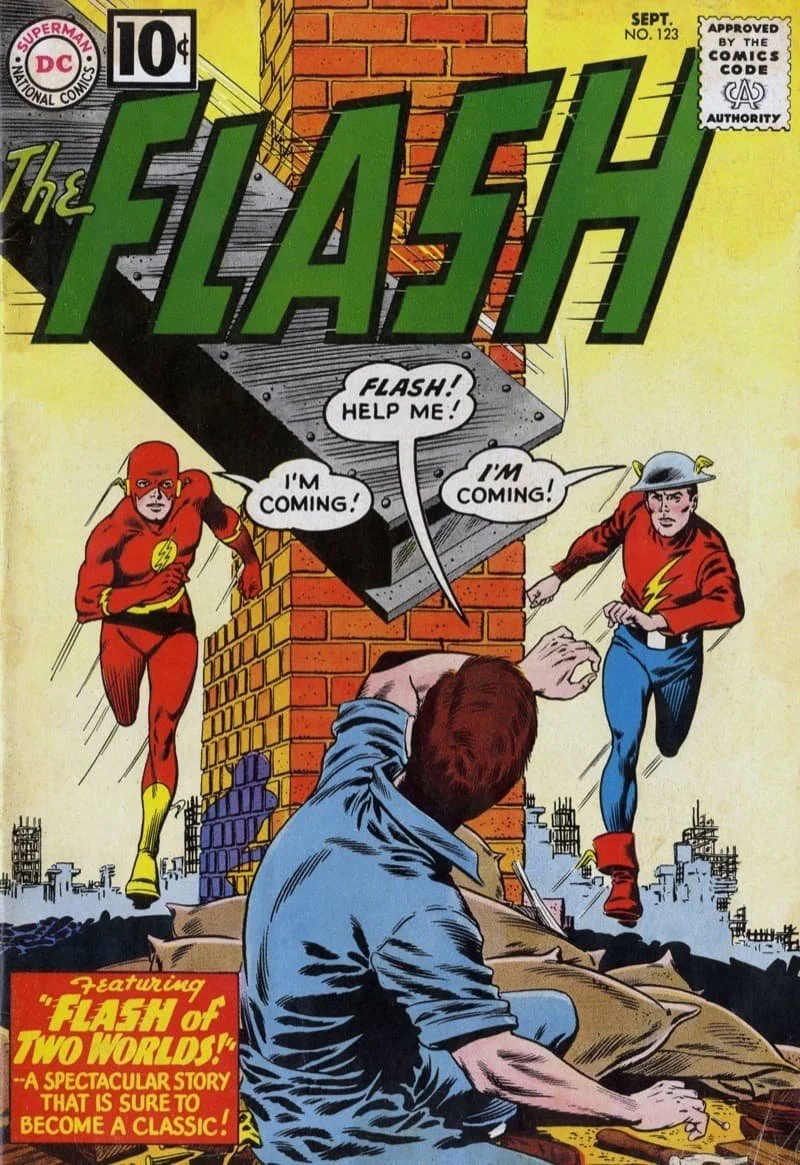
Image Source: Imgur
An Alternate Universe is when there is a parallel universe to “the normal world.” If one character were to cross over to an alternate universe, they could meet their doppelgänger: themself from what seems like an altered timeline. Parallel and Alternate Universes are genre names often used interchangeably. The distinction is that a Parallel Universe focuses on one deviation that drastically changes everything—a butterfly effect of what would otherwise be a familiar timeline—while an Alternate Universe can be however different the author wants their setting to be.
Both can provoke an unsettling fear into the audience, where something is off because personal and recognizable elements are suddenly alien, uncanny. The protagonist often experiences the audience’s own realization that their world has turned upside down, for dramatic purposes as well as to prompt a mystery that shall be answered. Sometimes, the genre is used for satirically, to compare the absurdities of our world with the parallel world.
Fanfiction falls under the category of Alternate Universe. Whenever a fan of another creator’s story takes the canon events they like but alters details to the fan’s preference, they are creating an Alternate Universe or “AU.”
Examples:
a) Planet of the Apes (book)—Human space explorers travel to another planet of futuristic technology, where apes are the slave masters and human beings are the test subjects of mere animal intellect. One survivor returns to Earth only to find home has devolved the same way, with civilized apes in charge.
b) The Man in the High Castle—A dystopian what-if history where the Axis Powers won World War II, except with the curious existence of black-market reels that somehow depict real-world historical events.
c) Flash of Two Worlds!—A comic book hero with super-speed runs so fast that he breaks into a parallel universe, where he meets a previous incarnation of himself. This landmark issue was the first to confirm a preceding comic run as part of a shared multiverse canon.
Other examples include Dragon Ball Super, His Dark Materials, and Fringe.
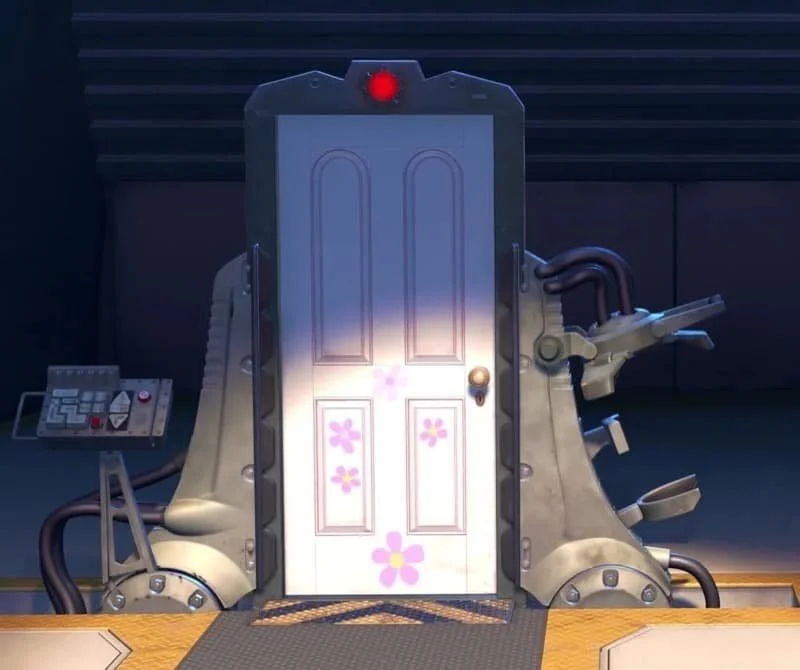
Image Source: Disney Fandom
There is often a portal featured in multi-dimensional stories, a convenient and quick way for a character to go from their world to another place or time. It can be literal, illusory, or a sign for the audience to relate their real world with the writers’ Story World. For fantasy and sci-fi, a portal is the manifestation of the protagonist’s Call to Adventure: the early part of any three-act plot where the hero cannot turn back until the conflict is resolved. Even if there are two universes in an epic narrative, there is but one Story World.
What makes a multiverse stand out?
It is not one or two universes to compare our real world with a work of fiction. It is an explosive Big Bang of escapist possibilities that began from one observable idea. Often, these works must be shared with many writers to keep straight the widening mass of details. It is hardly easy to maintain. If the Story World exists as a multiverse, the potential permutations become even more endless. That freedom is not always a good thing, because audiences are accustomed to condensing even the most branching narratives into a synopsis. Many universes that interact with each other, by their very nature, create infinite possibilities at best and a self-destructive mess at worst.
Here are a few pros and cons of having a story take place in the multiverse:
Pros
• More variety at the writer’s disposal
• Can bring characters back or retcon another writer’s “mistake”
• Tell a story about existential dread
• Connect all the stories into one overarching narrative
• Unite disparate portions of a fandom under one franchise banner
Cons
• Convolute the sense of myth that underlines a Story World
• Come off as pandering toward the fandom
• Audience risk feeling a disconnect over what is truly at stake
• Cast a hierarchy over which universe is more consequential
• Discourage potential new fans away by the complexity of the franchise
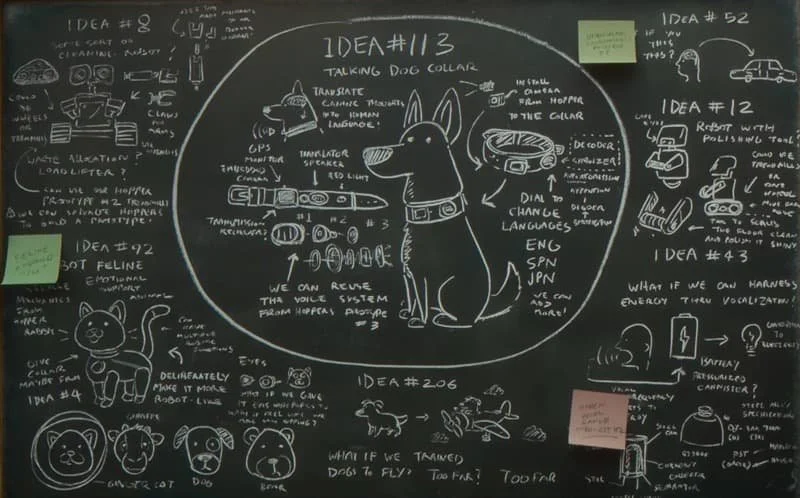
Image Source: Reddit
Whether proposed by the author or speculated by the fans, intentional or accidental, franchise stories take on a whole new life by existing in a multiverse. For example, there is an unofficial theory that all Pixar movies occur in the same Story World. At first, this was an inside joke because Pixar references their previous and upcoming films through the reuse of animation models. The little girl from Monsters, Inc. has a bouncing ball with a star on the side from Toy Story, as well as a clownfish toy of Nemo from Finding Nemo. The scientists at the end of Hoppers lay out all their planned inventions, which include the translation dog collar from Up and the cleaning robots in WALL-E. How much of this is acknowledging the Story World or the production department? It is up to the consumers to decide.
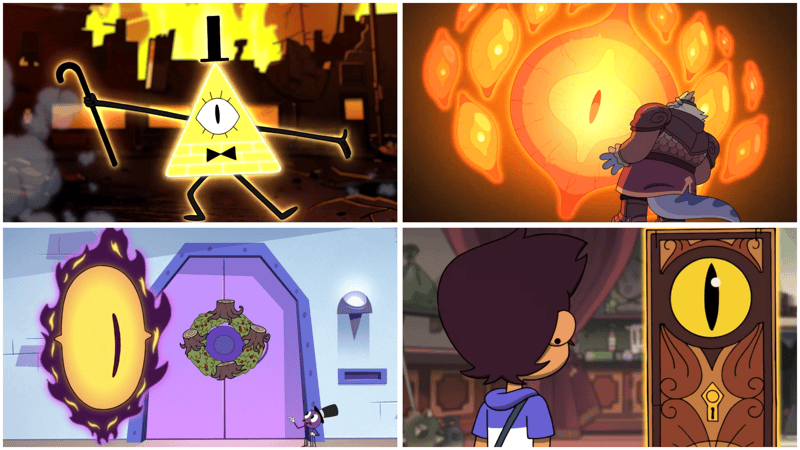
Another example is the concept that all recent shows of Disney TV Animation interact inside a multiverse of many dimensions. Bill Cipher from Gravity Falls has an iconic single eye, iconography that also exists in Amphibia, and The Owl House, and Star vs. the Forces of Evil. Beyond references, it is key to note the showrunners have worked together on a lot of the same projects and share similar themes—such as coming-of-age children traveling to another dimension that begin frivolous before revealing a larger struggle.
Even the Master of Horror, Stephen King, has the Dark Tower book series that is his magnum opus. It is his longest-running work that befits many subgenres and exists in a multiverse that not only references his previous characters and settings but has them play major roles in an interdimensional cowboy’s search for a metaphorical dark tower.
To say this is all paratext for a company to sell its product is missing the larger picture. There are pros and cons for stories existing inside a multiverse. However, everything throughout history builds and feeds off each other. Art history is no exception. The pervasiveness of Internet interconnectivity in the 21st Century contrasts with the past millennia, so it is no small secret why multiverse fantasies have become popular in a far-reaching multimedia environment. If anything, every work of fiction exists inside a multiverse because real-world viewers are peering into the writers’ dimension of invention. The earliest stories of mankind were outlandish myths and parables, so any fresh story that reaches popularity adds to our ongoing mythos, juggling the weight of what is “real” and what is “fake.”
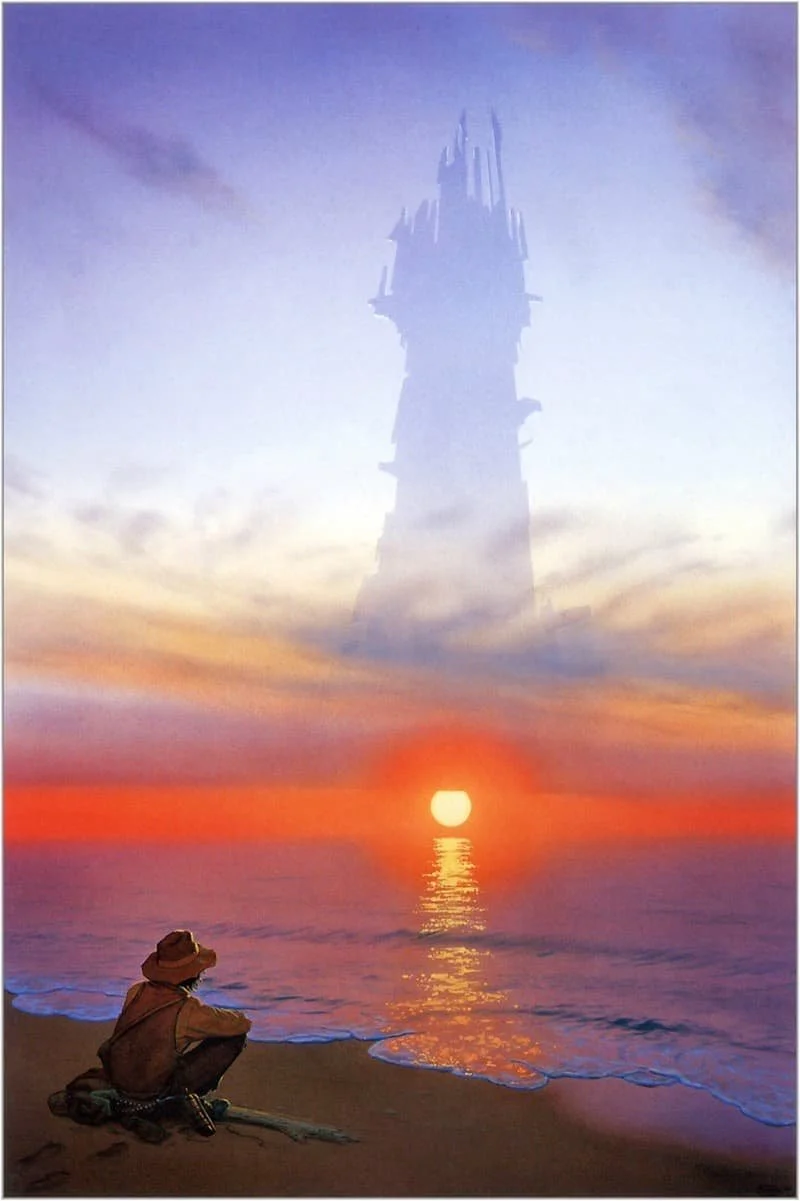
Image Source: Michael Whelan
CultureSlate: Made by humans, for humans.
Please consider supporting our AI-free content via our Patreon page.
READ NEXT:

Latest News
Featured




• All sizes are adult unisex
• Printed art on the front
• 100% cotton
• Pre-shrunk fabric
• Shoulder-to-shoulder taping
• Culture Slate Exclusive Design
See more products here