
What Made Pixar's 'Toy Story' A Story Still Being Told Successfully?
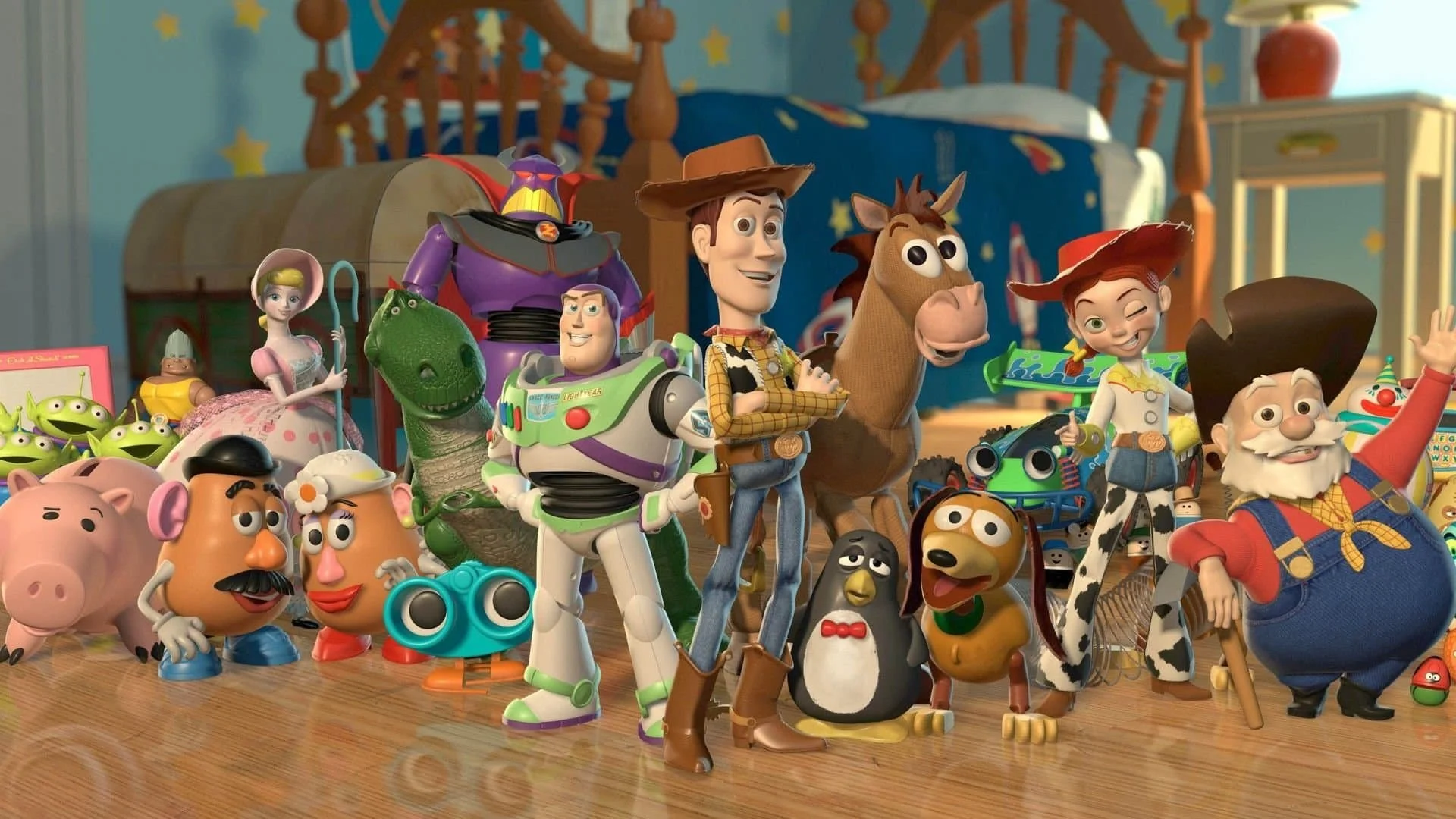
Image Source: i.pinimg.com
When Disney reigned as the champion of animated films, along came Pixar with a talent for telling stories with bright and colorful settings, with universal truths and lessons written in a way that refused to talk down to their child viewers. (Hopper’s speech from A Bug’s Life remains a powerful message about the mind and the delicate power a dictator holds and must maintain to control the oppressed ants.) Diving into the mind of a child while remembering the adults those same children would become, Pixar created a story that depicted struggles with one’s identity, the importance of community, dread of being forgotten and replaced, and the childlike joy of imaginative play.
Remembering the importance of imagination and play, Toy Story was a story about more than two rivals becoming friends and a colorful cast of characters supporting and teasing one another; it was a love letter written by a child to the adult they became to remember who their first friends were when the world felt simple and colorful. A small moment of history that inadvertently turned into a cultural phenomenon.
RELATED:

Was Part Of A Technological Innovation
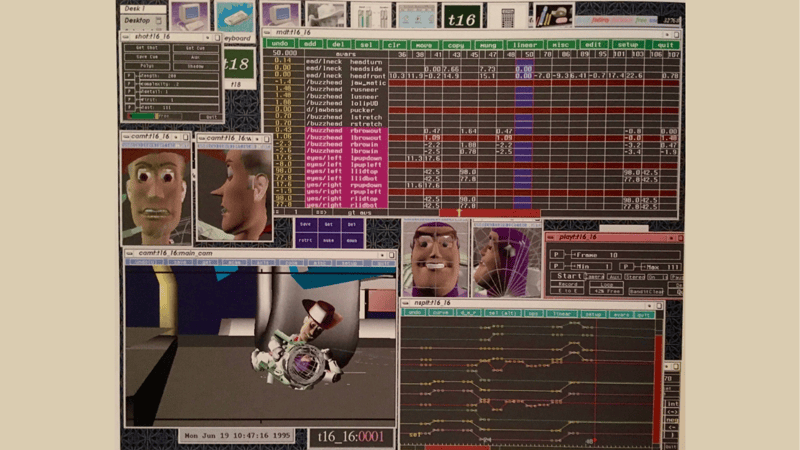
Image Source: thisdayinpaxar.com
The release of the first Toy Story film was more than the debut of a film about the lives of a child’s toy, it intertwined itself with the advancement of computer animation. According to Our Anime World, “Pixar’s development of the software RenderMan allowed for the creation of lifelike textures, dynamic lighting, and complex character movements.” Thus, a “new standard” for animation quality was set. Seeing a new film achieve as much, if not greater, success as its traditionally hand-drawn counterparts inspired other film companies.
Using Tin Toy as a foundation, animators worked tirelessly to translate what was drawn on storyboards into RenderMan. Configuring facial expressions, movement, etc. Looking closer at the animation of the first film, fans can see how much the animation standard has grown from the first film to the current one—the children at Andy’s birthday party all have Andy’s face, just with different clothes, none of the human characters have toes animated, and the movement of the animals was less fluid. This calls back to how older Disney film budgets for hand-drawn animation were not at today’s level. The same applied to the new computer animation yet to be unveiled. Once the potential was realized, Pixar and Toy Story became a project worth further investing in.
Its Audience Grew Up Parallel To Andy
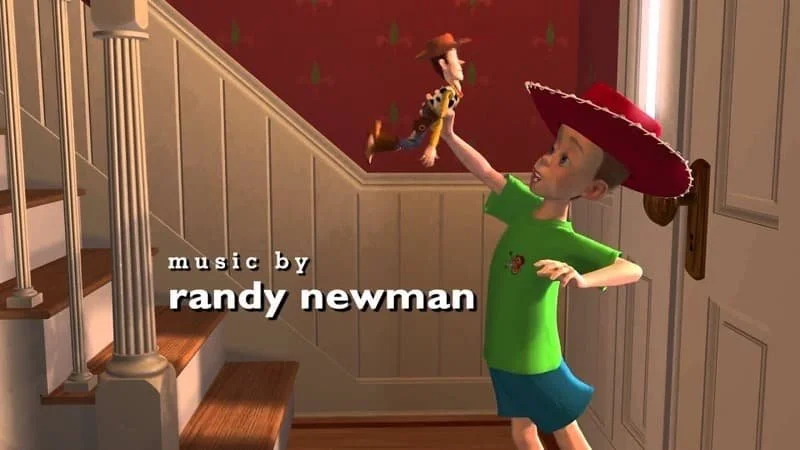
Image Source: i.ytimg.com
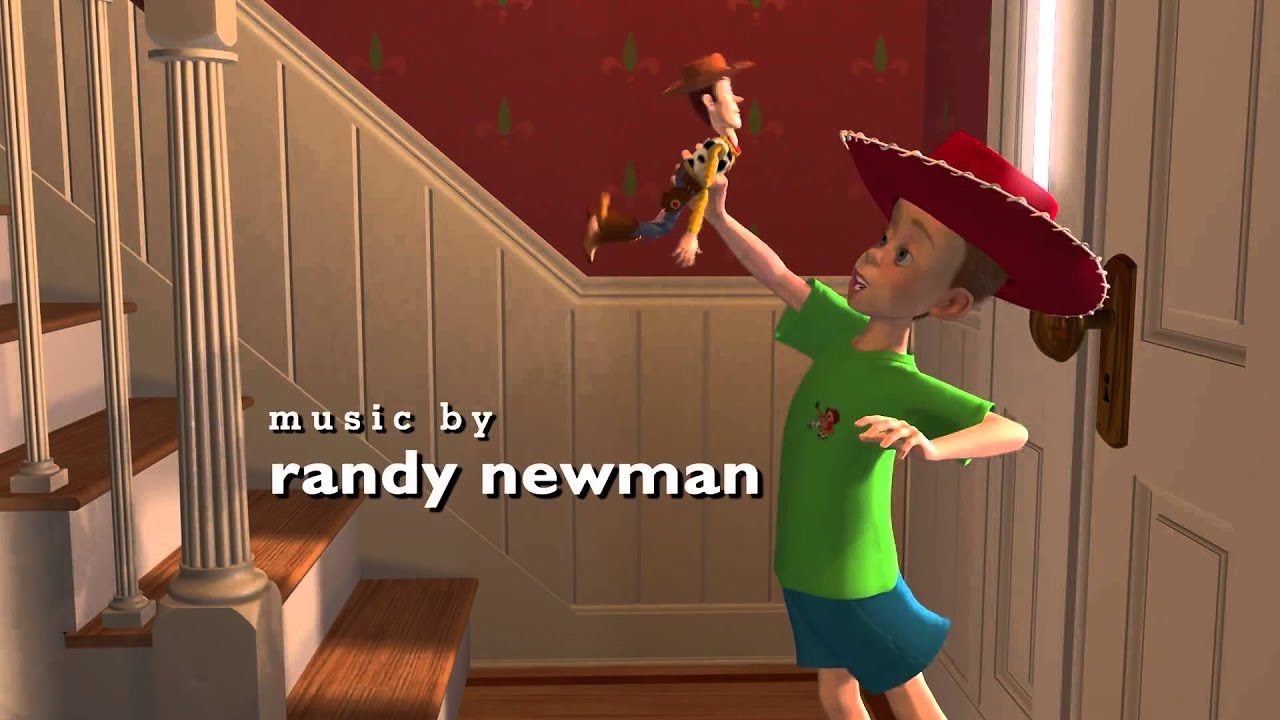
In 1995, the first of the Toy Story films was released. Theaters were flooded with children and their families to watch the story of Woody, the cowboy doll and leader of the toys, belonging to their kids, facing the fear of being replaced by a shiny, new toy. As children watched toys they might have owned interact with each other, their respective parents got to see and laugh at the banter that went over the children’s heads. Examples include a scene where Mr. Potato Head detaches his lips and makes a “butt-kissing” gesture to Mr. Spell, Woody and Bo Peep’s flirtatious interactions, and Buzz’s wings springing out, seeing Jessie ride a Hot Wheels car down the track to help Andy’s dog leave his bedroom. Given the time gap between the second and third film releases, those who watched the first two films as children got to see them again as adults. New discoveries and new jokes create a new viewing experience.
Growing up, fans young and old got to experience or have some understanding of how their childhood toys felt being loved and played with. Andy loved his toys—giving them their own backstories and contributing to their respective quirks. They were his friends. He was hesitant to pass his friends on to Bonnie; it was going to be the (most likely) last time he was going to see them, but he knew it wasn’t fair to his friends to spend years and years locked away when there was someone who would care for them in a way he couldn’t anymore. He would never forget them, just as the viewers wouldn’t. Many rewatches of the films and shorts ensured that Woody and the gang would always “be there” for its viewers.
Clever Marketing And Branding
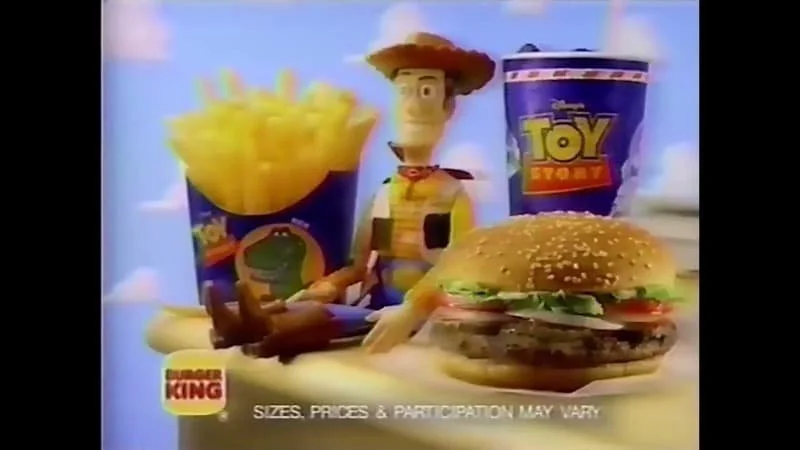
Image Source: i.ytimg.com
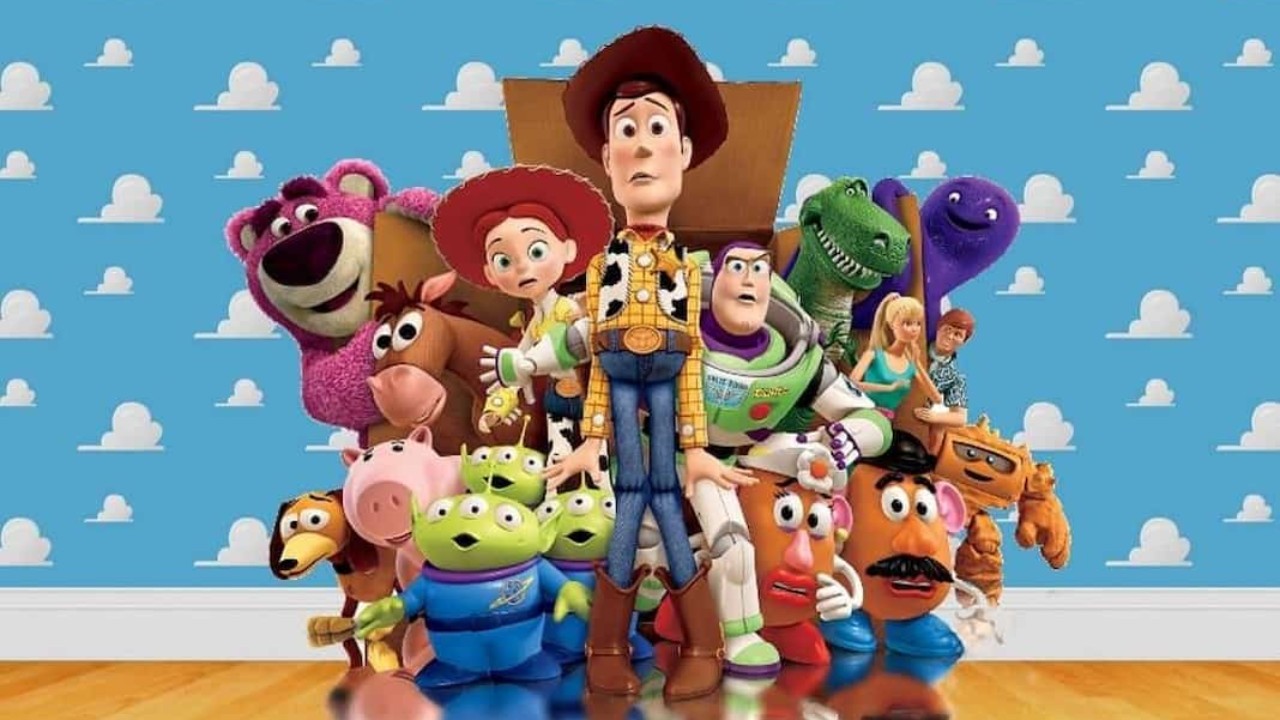
Marking the success of Toy Story, Pixar began selling Woody and Buzz dolls to the public. Not to mention a demand of the other toys: Mr. and Mrs. Potato Head, Slinky dogs, the green army men, Rex, Hamm, and the toy aliens. Four years later, the second film had a built-in marketing campaign with Woody’s Round-Up Gang. New toys were introduced naturally and marketed in a way to invoke childhood nostalgia. Given Toy Story’s long-standing recognition, merchandising was easy.
Upon the release of Toy Story 5, it was common knowledge that the fanbase of the franchise had grown and most likely had children of their own. The goal was to target both children and their parents simultaneously. While still selling the characters of Toy Story that started it all, brands like Papa John’s and Kellogg partnered with Pixar by advertising Toy Story with their characters on their products and the inclusion of toy prizes. Viewers were kids again with pizza movie nights with parents and eager to find the prize inside a box of cereal. Further invoking childhood nostalgia, Randy Newman remained a staple in creating the music for the films and collaborated with superstar Taylor Swift for a new song written for Toy Story 5. The song, “I Knew It, I Knew You”, debuted at No. 1 on the Billboard Hot 100, giving Swift her 15th No. 1 hit and giving Randy Newman his first Kid Albums chart leader, according to Forbes. As a result, the song became its own advertisement of Toy Story 5 and expanded the audience to the younger women demographic and music fans.
Viewers, young and old, witnessed firsthand how much the franchise had grown. Woody and Buzz dolls still filled the shelves and shared the honor of their new friends joining them in experiencing being loved by children and adults alike. Tying into the main plot of 5 of toys competing with technology, Porsche collaborated with Toy Story for a “storytelling-driven campaign”. According to OnePulse, this brand partnership “carefully aligned” with the film’s main themes and “emphasized authenticity and emotional connection rather than purely transactional branding”. Pixar knew how to grow and target their audience to stay relevant and keep the main plot true.
Story/Plotlines Were Realistic And Grounded
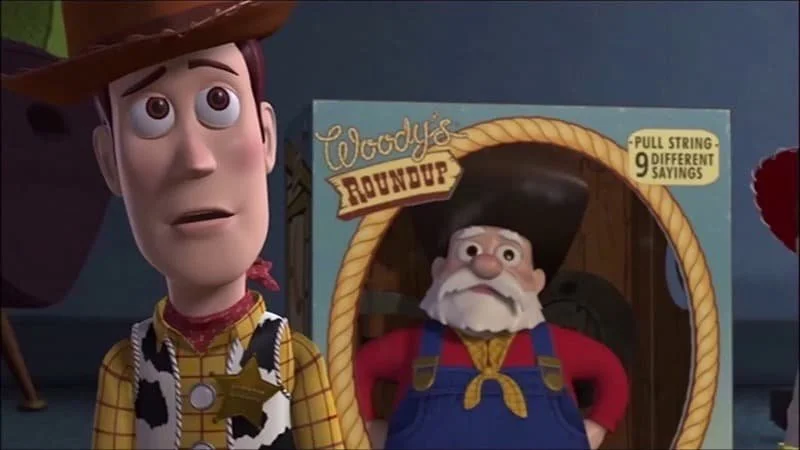
Image Source: i.ytimg.com
Throughout its now five film run, there is an underlying theme of being forgotten and replaced. In the first film, Woody is sitting comfortably as the longtime favorite of Andy and the leader of the toys. In the second film, Woody learns of his collectible status as part of the Round-up Gang (consisting of him, Prospector Stink Pete, cowgirl Jessie, and faithful horse Bullseye) only to be told by the eventual twist villain Stinky Pete that his Round-up Gang’s lives are dependent on Woody giving up his life with Andy. His statement holds added weight considering Pete’s bitterness of being a toy that never belonged to a child due to the launch of Sputnik. Not to mention the revelation of Jessie’s past kid Emily and how it ended for her: remembered long enough to be put in a box, left on the roadside, and kept in a dark box for decades, resulting in fears of the dark and tight spaces. The sentiment is later amplified in Toy Story 3 through Lotso, while Toy Story 4 explores the reality of toys being abandoned and lost. Currently, 5 revisits what the first one started with: new versus old.
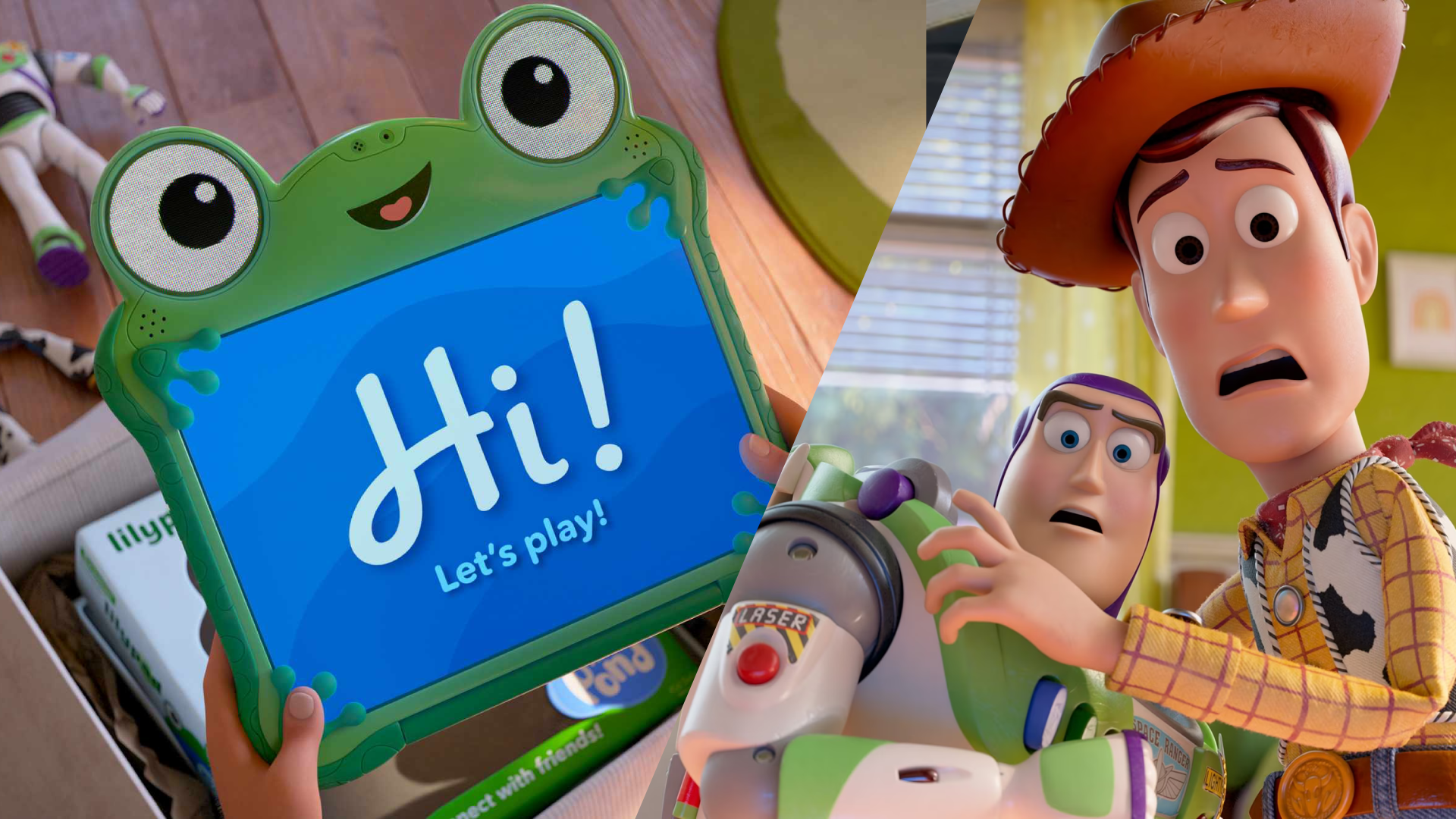
Suddenly, a new toy with shiny new features threatens the toys’ standing and threatens to replace them as the most important in the child’s (in this case, Bonnie’s) life. In the end, both were victors in their own right. Just as Woody helped Buzz come to terms with his true identity as a toy and Buzz made sure both he and Woody found their way back to Andy when presented the chance to go on without him, Jessie uses her role as a leader to navigate how she and Lilypad fit into Bonnie’s life as the world becomes more reliant on technology. Lilypad is not a villain like those before her, but someone who took her role as belonging to Bonnie to an extreme.
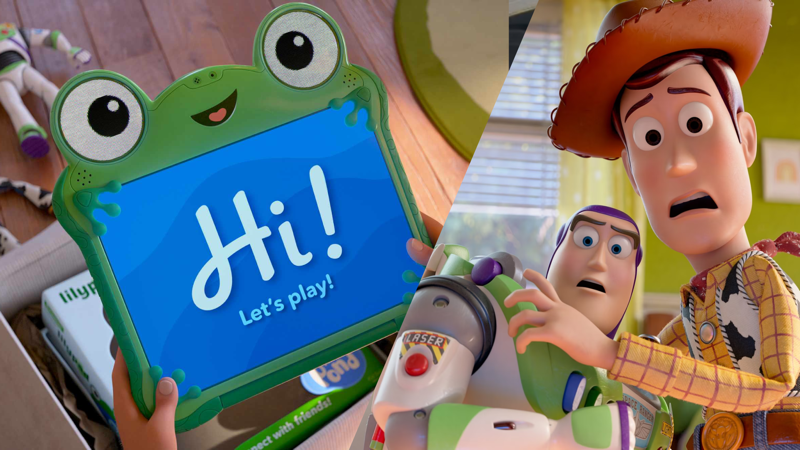
Image Source: earlygamecdn.com
To toys, belonging to children is their whole life, and their growing up correlates to being forgotten and abandoned. Childhood is fleeting. Toys have their place, but now they have to compete with technology, and children are slowly losing interest in imaginative play. Woody, Buzz, and Jessie questioning where they stand in Bonnie’s life “feels natural” for a franchise that grew with its audience. As children, they came for an adventure. As adults, they got to relive their past.
Conclusion
For “infinity and beyond”, children and children that became adults had a colorful cast of friends on the big screen that watched them grow up and pass them along to the next generations. The recent fifth installment was no exception. Pixar remembered its audience would take the lessons the toys gave to heart. The film franchise could have ended as a trilogy where Andy gives Bonnie his toys as a sort of inheritance, but filmmakers wanted to explore new subjects in an ever-changing world.
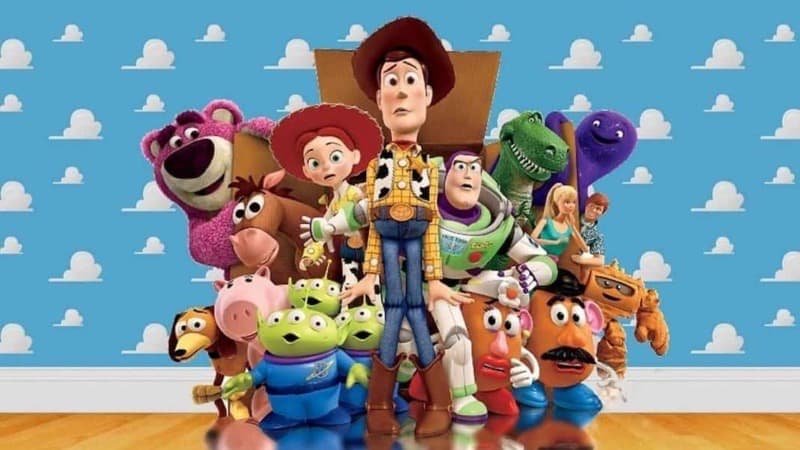
Image Source: mrcomingsoon.it
As friends, Buzz and Woody bring out the best in one another and exhibit their best qualities as a means of protecting themselves and their friends. Their bond as friends and allies is a fixture that encompasses each of the films. They organize rescue missions when yard sales and toy giveaways, keep morale high, and maintain contact with friends. Despite them and the audience being confronted with darker elements such as betrayal, dictatorships, and the harsh realities of being a toy, the Toy Story films were more than just a collection of children’s toys just bidding their time until the time came to be thrown or stashed away. Life was worth living, being loved by children (and adults) and shared with the world, rather than remaining lost from an animator’s hard drive.
CultureSlate: Made by humans, for humans.
Please consider supporting our AI-free content via our Patreon page.
READ NEXT:
Latest News
Featured






• All sizes are adult unisex
• Printed art on the front
• 100% cotton
• Pre-shrunk fabric
• Shoulder-to-shoulder taping
• Culture Slate Exclusive Design
See more products here